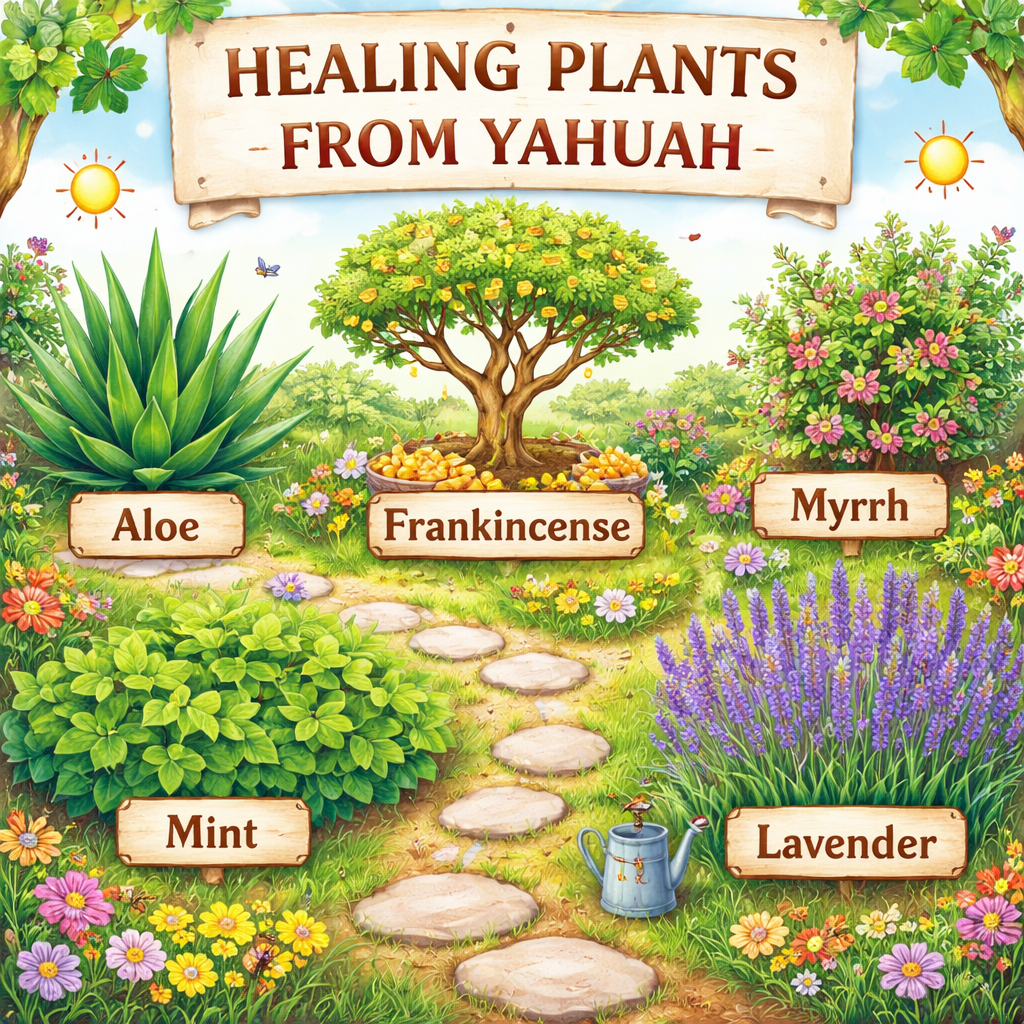
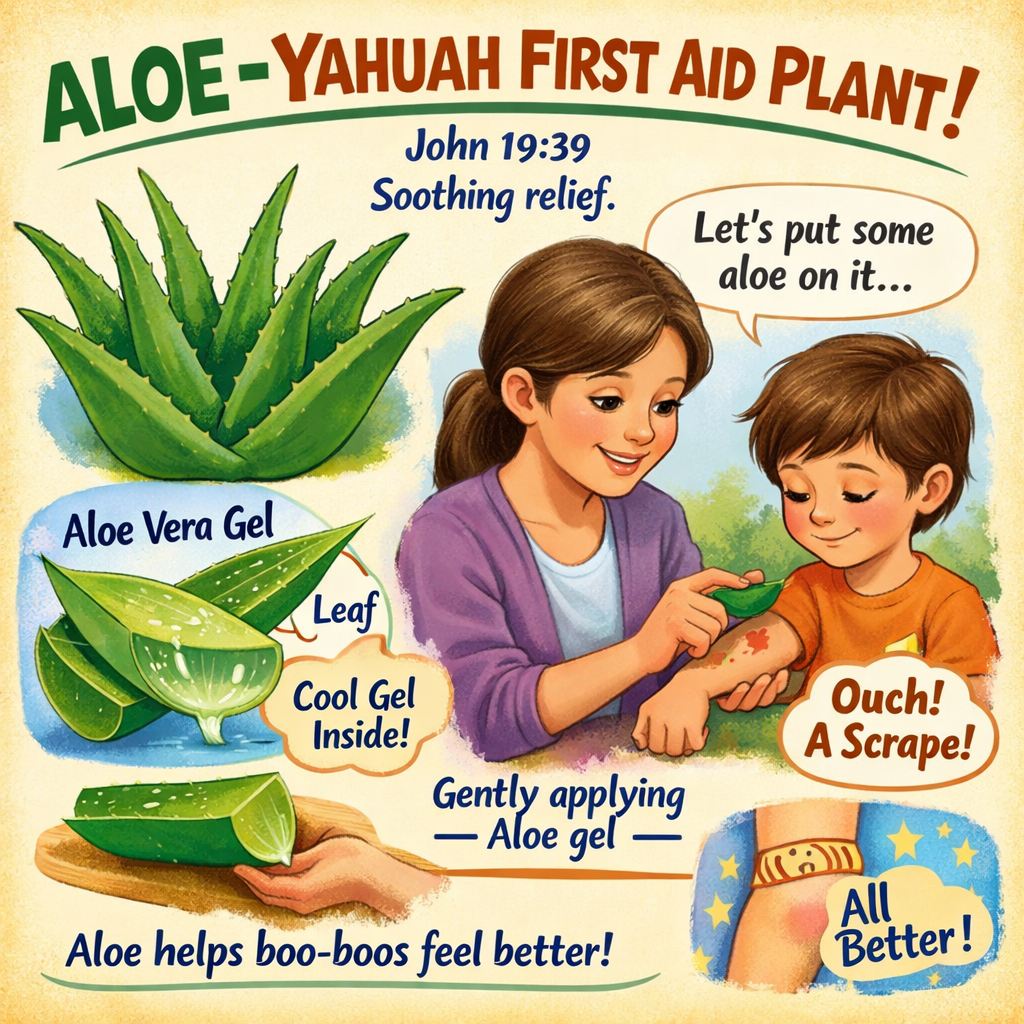
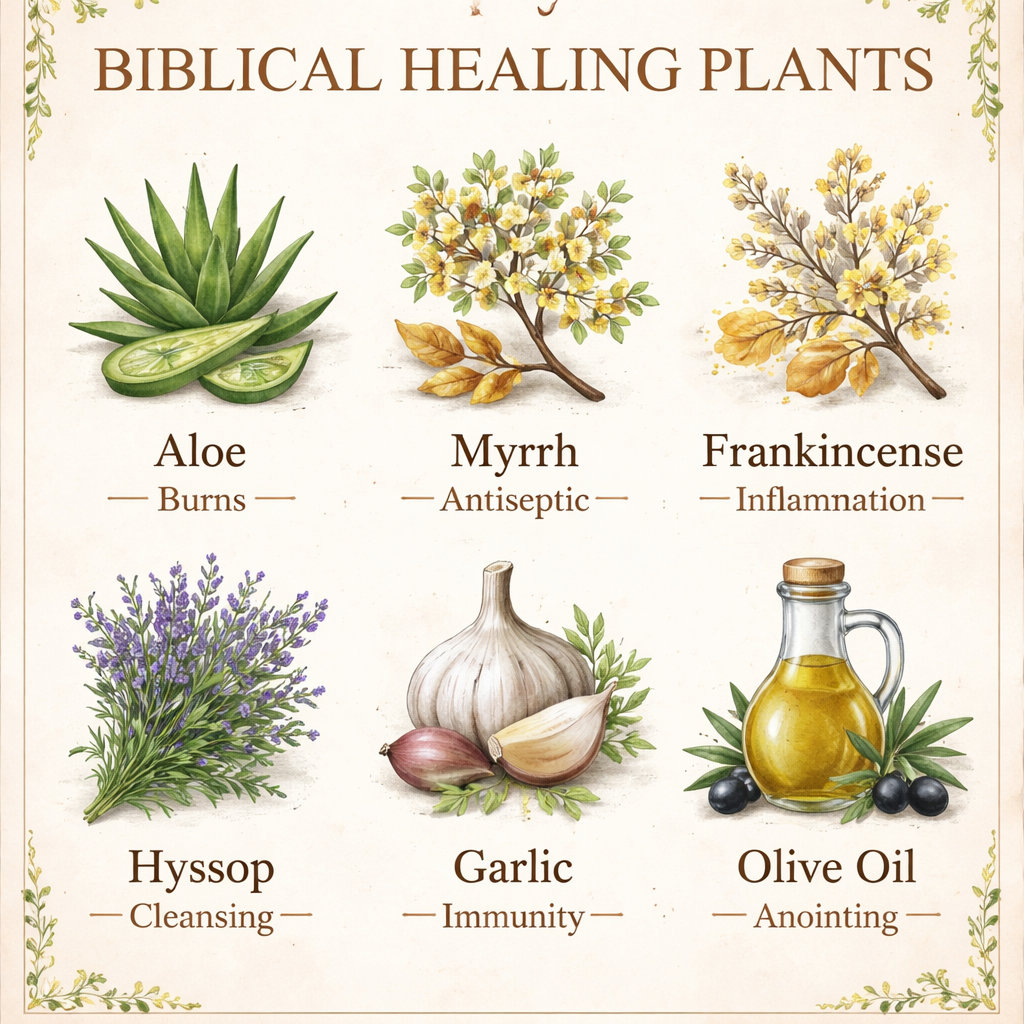
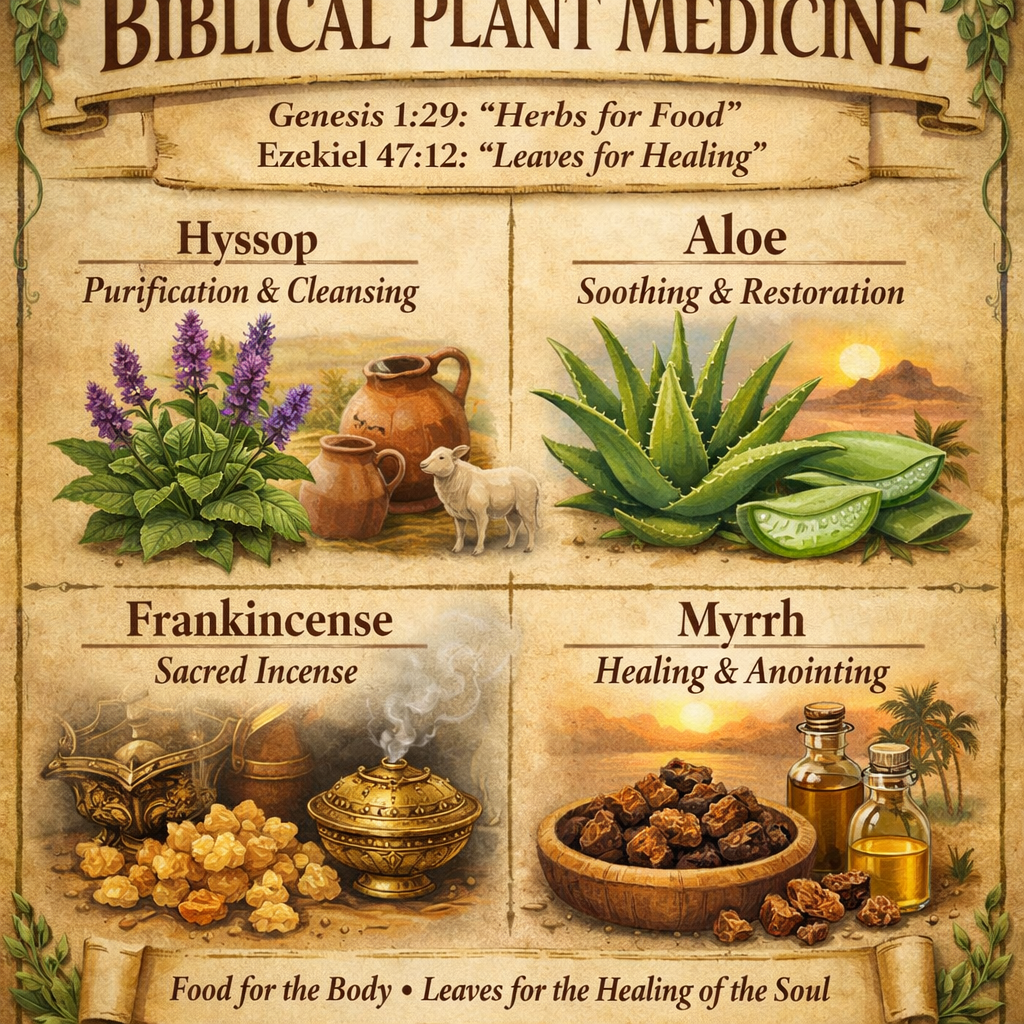
"And by the river upon the bank thereof, on this side and on that side, shall grow all trees for meat, whose leaf shall not fade, neither shall the fruit thereof be consumed: it shall bring forth new fruit according to his months, because their waters they issued out of the sanctuary: and the fruit thereof shall be for meat, and the leaf thereof for medicine." — Ezekiel 47:12
Exercise Bodies Move
Name:
Date Started:
⚠️ IMPORTANT DISCLAIMER
This workbook is for educational purposes only. It does not replace professional medical advice. Consult qualified practitioners for serious health concerns. Always learn to use herbs safely.
Before You Begin, check these boxes:
HOW TO USE THIS WORKBOOK
The Truth Carriers Learning Method — 6 Rs
This workbook uses the 6 Rs Learning Method designed for deep understanding and long-term retention. Each lesson includes all six components:
1. RECEIVE Read the teaching content carefully. Take notes. Look up Scripture references.
2. REFLECT Complete fill-in-blanks, multiple choice, true/false, and discussion questions.
3. RECALL Close the book and write everything you remember. Check what you missed.
4. RECITE Teach what you learned to someone else. Teaching deepens understanding.
5. REVIEW Use the spaced review tracker. Review at Day 1, 3, 7, 21, and 60.
6. RESPOND Apply what you learned. Do something with this knowledge this week.
A Note on Names
Throughout this workbook, we use the Hebrew names:
Yahuah — The Father's name (replaced with "LORD" in most translations)
Yahusha — The Son's name (replaced with "Jesus")
Elohim — The Mighty One (replaced with "God")
LESSON 1: YAHUAH IS OUR HEALER
Yahuah's very name includes the reality that He is our Healer.
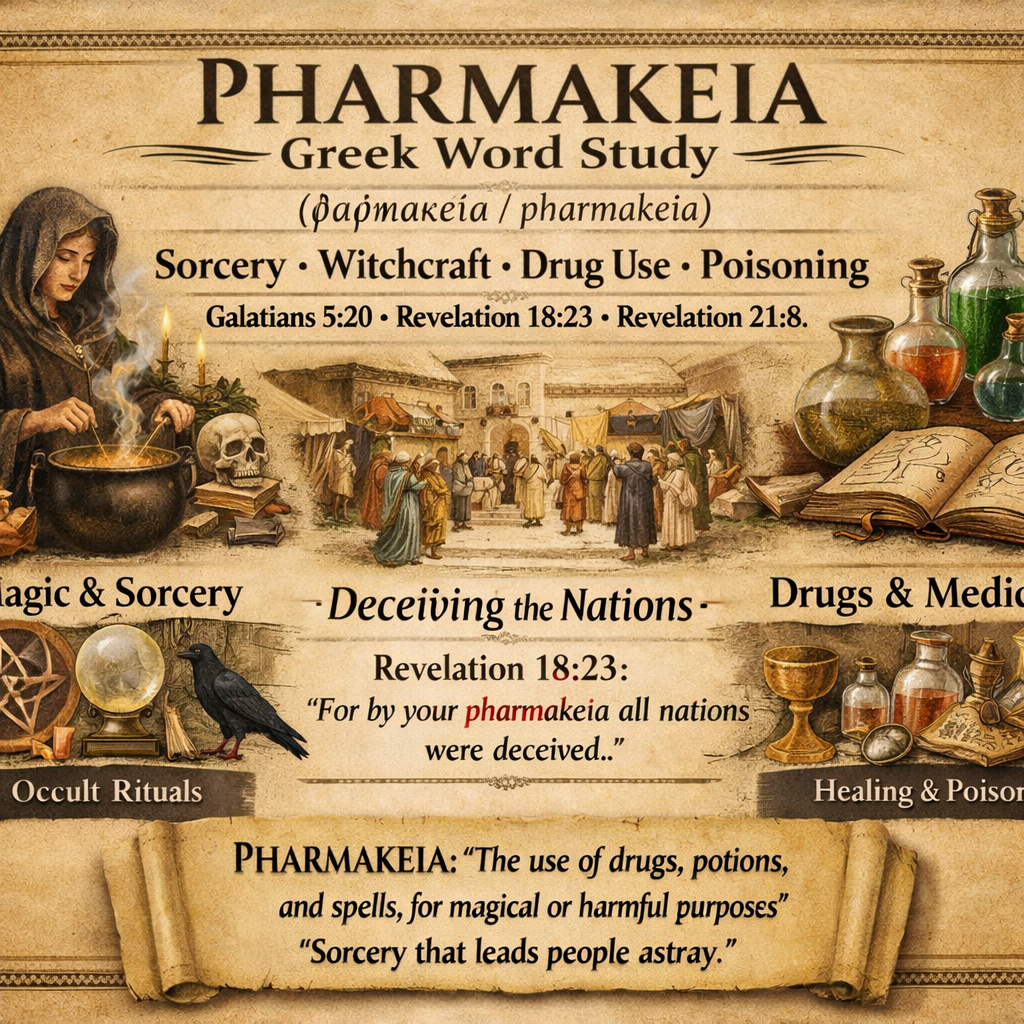
Pharmakeia Word Study
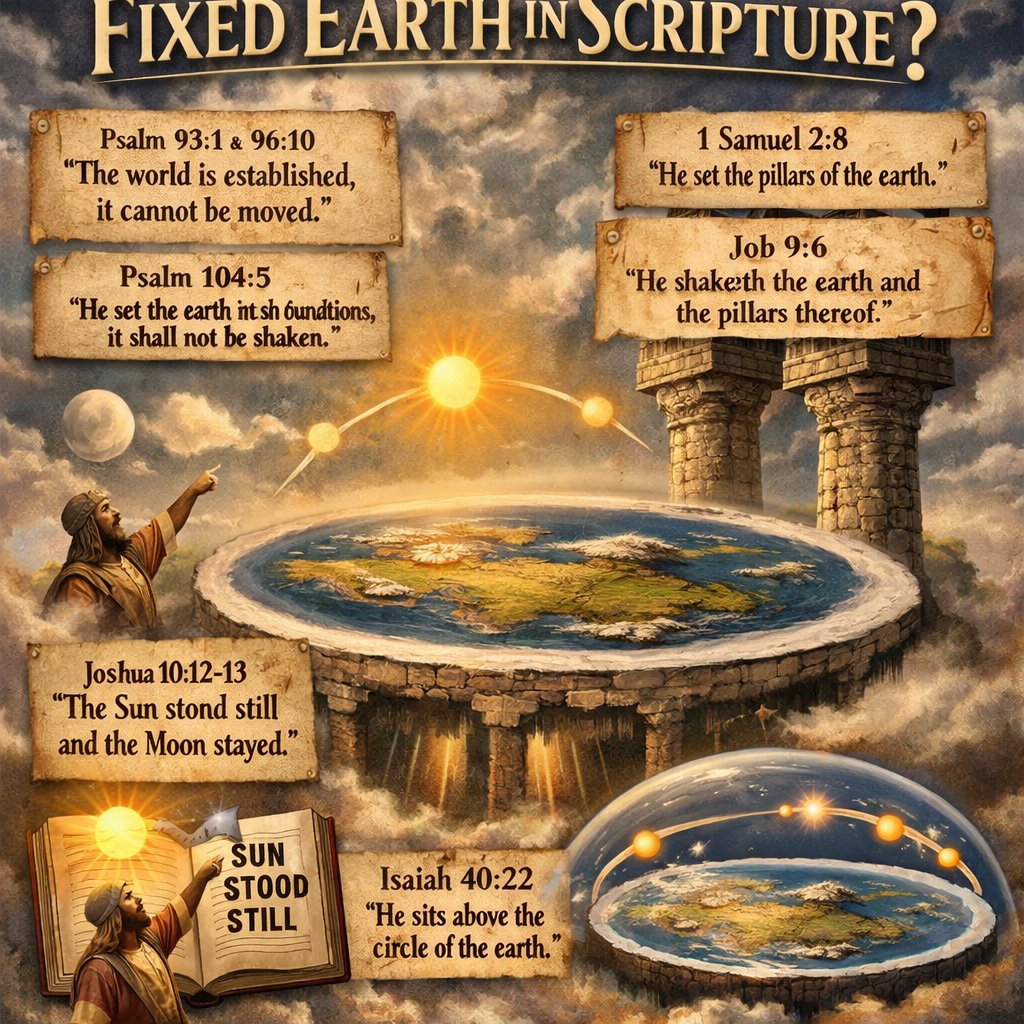
Fixed Earth Scriptures
Fixed Earth 01
Scripture Study: Exodus 15:26
"For I am Yahuah that thee."
What this means: Healing is part of His nature and character!
Scripture Study: Psalm 103:2-3
"Bless Yahuah, O my soul, and forget not all his benefits: Who forgiveth all thine iniquities; who healeth thy diseases."
He heals your diseases, not just some!
Scripture Study: Psalm 107:20
"He sent his , and healed them, and delivered them from their destructions."
Yahuah's Word has healing power.
Scripture Study: Jeremiah 17:14
"Heal me, O Yahuah, and I shall be ; save me, and I shall be saved: for thou art my praise."
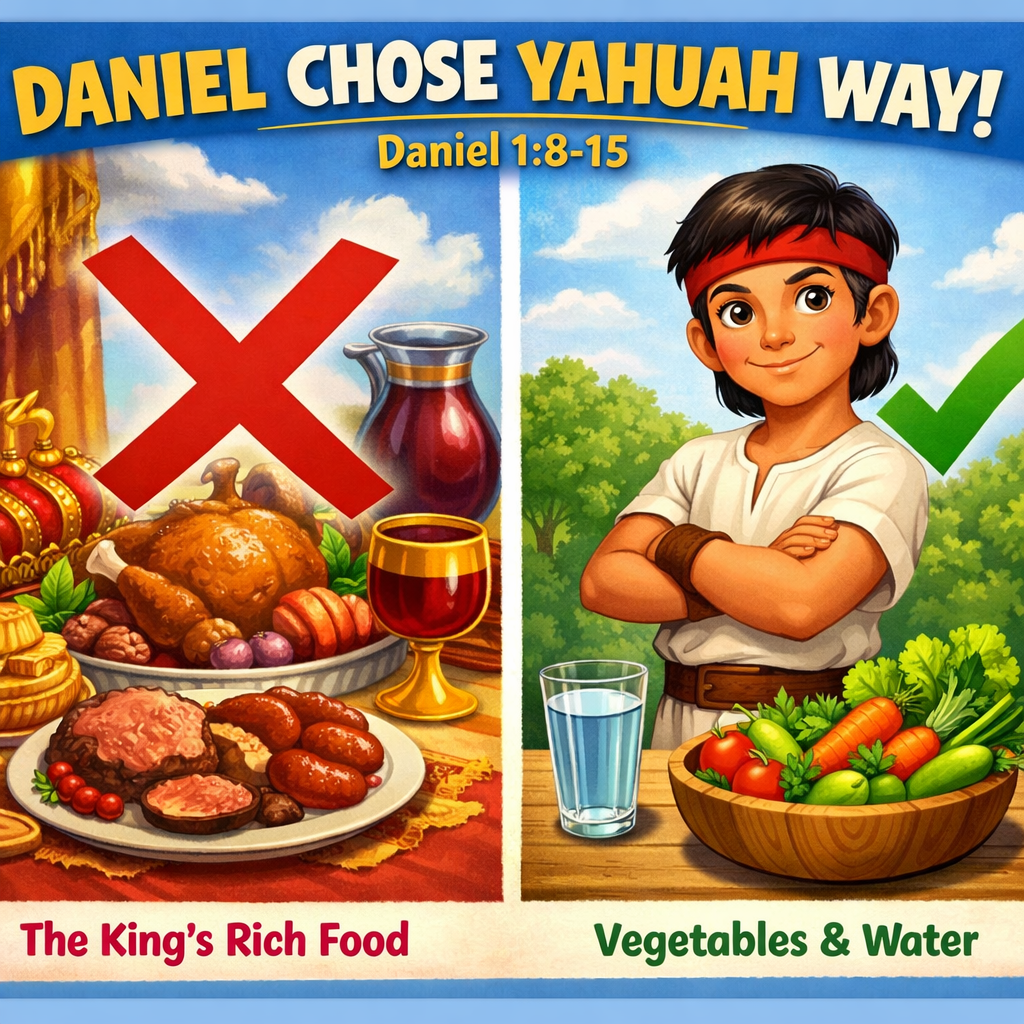
Daniel Healthy Food
Scripture Study: Isaiah 53:5
"But he was wounded for our transgressions, he was bruised for our iniquities: the chastisement of our peace was upon him; and with his we are healed."
Yahusha's sacrifice provides ultimate healing—both physical and spiritual.
Multiple Choice
1. According to Exodus 15:26, what is one of Yahuah's titles?
○ A) Yahuah who judges ○ B) Yahuah who heals ○ C) Yahuah who condemns ○ D) Yahuah who forgets
2. What does Psalm 103:3 say Yahuah heals?
○ A) Some diseases ○ B) Only spiritual diseases ○ C) ALL diseases ○ D) Only minor illnesses
3. According to Isaiah 53:5, by what are we healed?
○ A) Our good works ○ B) His stripes (wounds) ○ C) Medicine ○ D) Positive thinking
True or False
1. Healing is part of Yahuah's nature and character. ○ True ○ False
2. Psalm 107:20 says Yahuah sent His word and healed them. ○ True ○ False
3. We should never pray for healing since medicine is always sufficient. ○ True ○ False
Personal Reflection: Do you trust Yahuah as your Healer, or do you turn to drugs first?
📖 SCRIPTURE MEMORY: Exodus 15:26
"For I am Yahuah that healeth thee."
Memory Schedule: ☐ Day 1: Read aloud 5x ☐ Day 2: Read aloud 3x, then recite with book closed ☐ Day 3: Write from memory, check accuracy ☐ Day 7: Recite to someone else ☐ Day 21: Review — can you still recite it?
Write the verse from memory:
📝 RECALL EXERCISE
Close this workbook. Write: The 5 Scripture references about healing. What each teaches about Yahuah as Healer.
After 5 minutes, reopen and check what you missed. Mark those items for extra review.
Items I need to review:
🗣 TEACH-BACK CHALLENGE
Explain to someone why Yahuah is called "the One who heals" and share the Scripture references.
Person I taught:
Date:
One question they asked:
🎯 APPLICATION STEP
Knowledge without action is dead. Before the next lesson, complete ONE:
☐ Pray and thank Yahuah for being your Healer ☐ Memorize Exodus 15:26 and Isaiah 53:5 ☐ Journal about a time Yahuah healed you or someone you know ☐ Other:
What I did:
LESSON 2: PLANTS GIVEN FOR FOOD AND MEDICINE
From the very beginning, Yahuah gave us plants for food. And Scripture shows that leaves are specifically for MEDICINE.
Plant Helpers 02
Fixed Earth 02
Scripture Study: Genesis 1:29
"And Elohim said, Behold, I have given you every bearing seed, which is upon the face of all the earth, and every tree, in the which is the fruit of a tree yielding seed; to you it shall be for meat."
Body Temple
Yahuah gave us plants for food from creation!
Scripture Study: Ezekiel 47:12
"And by the river upon the bank thereof, on this side and on that side, shall grow all trees for meat, whose leaf shall not fade... and the thereof shall be for medicine."
The LEAVES are for !
Scripture Study: Revelation 22:2
"...and the of the tree were for the healing of the nations."
Even in the NEW creation, leaves are for !
Multiple Choice
1. According to Genesis 1:29, what did Elohim give for food?
○ A) Only meat ○ B) Seed-bearing herbs and fruit trees ○ C) Only grain ○ D) Nothing specific
2. In Ezekiel 47:12 and Revelation 22:2, what is for medicine/healing?
○ A) The bark ○ B) The roots ○ C) The leaves ○ D) The flowers
3. The medicinal use of plants appears in which books of the Bible?
○ A) Genesis only ○ B) Ezekiel and Revelation ○ C) Genesis, Ezekiel, and Revelation ○ D) None
True or False
1. Pharmaceutical drugs are mentioned in Genesis as Yahuah's original plan for healing. ○ True ○ False
2. Both Ezekiel and Revelation describe leaves being used for healing. ○ True ○ False
3. Plant medicine is only for the Old Testament era, not the new creation. ○ True ○ False
Critical Thinking: If Yahuah designed leaves for medicine from the beginning, why do we rely almost entirely on synthetic pharmaceutical drugs today?
📖 SCRIPTURE MEMORY: Ezekiel 47:12b
"...the fruit thereof shall be for meat, and the leaf thereof for medicine."
Memory Schedule: ☐ Day 1: Read aloud 5x ☐ Day 2: Read aloud 3x, then recite ☐ Day 3: Write from memory ☐ Day 7: Recite to someone ☐ Day 21: Review
Plant Medicine Biblical
Write the verse from memory:
📝 RECALL EXERCISE
Close this workbook. Write: The 3 Scripture passages about plants for food/medicine. What each teaches about Yahuah's provision.
Items I need to review:
🗣 TEACH-BACK CHALLENGE
Show someone Genesis 1:29, Ezekiel 47:12, and Revelation 22:2. Explain Yahuah's design for plant medicine.
Person I taught: Date:
Their response:
🎯 APPLICATION STEP
Before the next lesson, complete ONE:
☐ Read all three passages (Genesis 1:29, Ezekiel 47:12, Revelation 22:2) in your Bible ☐ Identify 3 plants in your yard or kitchen that have medicinal properties ☐ Research one herb you already use (like ginger or garlic) ☐ Other:
What I did:
LESSON 3: BIBLICAL HEALTH PRINCIPLES
Yahuah gave us dietary instructions in Torah that promote health.
Plant Helpers 03
Fixed Earth 03
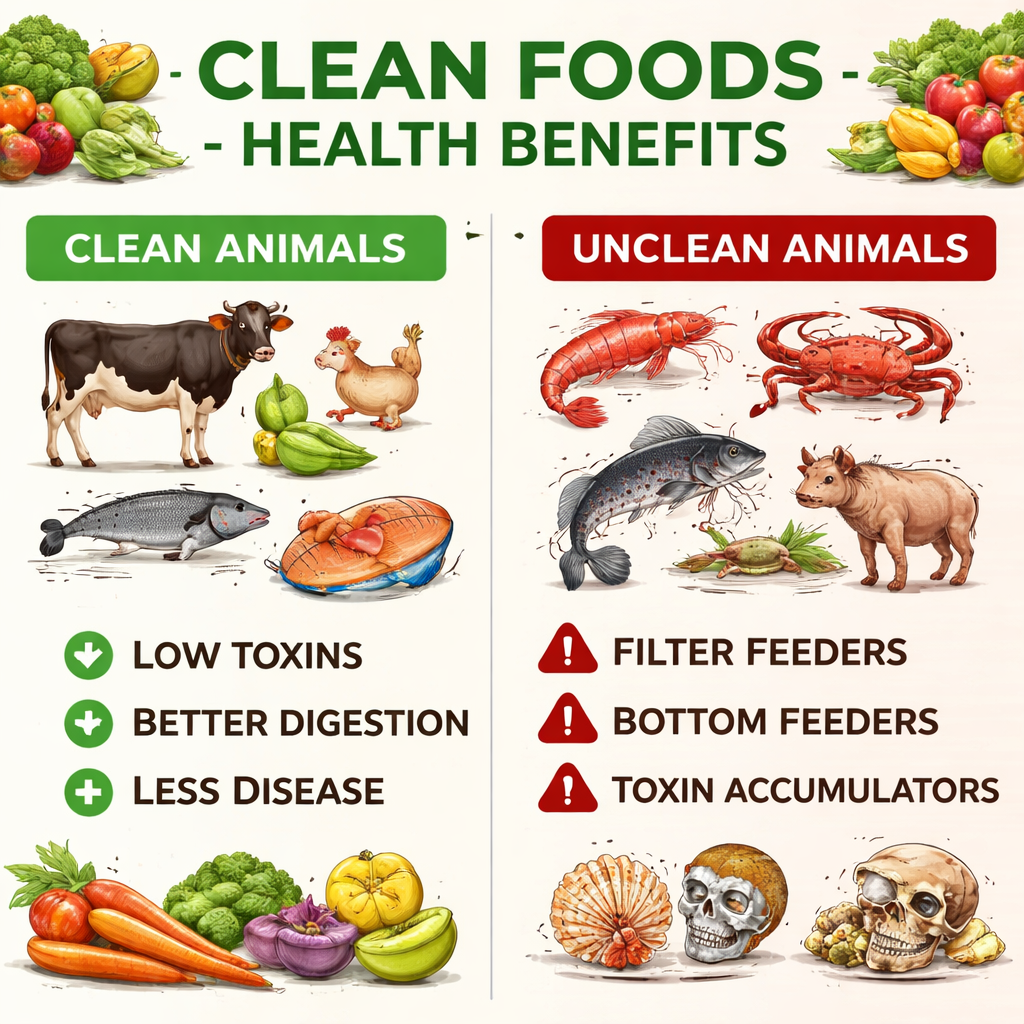
Clean and Unclean Animals
Leviticus 11:3, 9
Clean LAND animals must have:
Split
Chew the
Examples: Cattle, sheep, goats, deer
Clean SEA creatures must have:
Examples: Fish like salmon, tuna, bass
Leviticus 11:7-8
"And the , though he divide the hoof, and be clovenfooted, yet he cheweth not the cud; he is unclean to you."
Why These Rules Matter
Unclean animals are scavengers that eat waste and disease:
Pigs: Harbor parasites (trichinosis), don't sweat out toxins
Shellfish: Filter toxins, concentrate heavy metals and bacteria
Scavenger birds: Eat dead things, carry disease
1 Corinthians 6:19-20
"What? know ye not that your is the temple of the Holy Spirit which is in you, which ye have of Elohim, and ye are not your own?"
If your body is a of the Ruach HaKodesh, what should you put in it?
Multiple Choice
1. What two characteristics must a clean land animal have?
○ A) Feathers and wings ○ B) Split hoof and chew cud ○ C) Four legs and fur ○ D) Horns and hooves
2. What must clean sea creatures have?
○ A) Shells and claws ○ B) Fins and scales ○ C) Tentacles ○ D) Any sea creature is clean
3. According to 1 Corinthians 6:19, what is your body?
○ A) Your own possession ○ B) Unimportant ○ C) Temple of the Holy Spirit ○ D) Just physical matter
True or False
1. Pigs are clean animals according to Leviticus 11. ○ True ○ False
2. Shellfish concentrate toxins and heavy metals because they are filter feeders. ○ True ○ False
3. The dietary laws in Leviticus were merely ceremonial with no health benefit. ○ True ○ False
📖 SCRIPTURE MEMORY: 1 Corinthians 6:19
"Know ye not that your body is the temple of the Holy Spirit which is in you, which ye have of Elohim?"
Memory Schedule: ☐ Day 1-3-7-21: Follow standard schedule
Write from memory:
📝 RECALL EXERCISE
Close this workbook. Write: Requirements for clean land animals. Requirements for clean sea creatures. Why unclean animals are harmful.
Items I need to review:
🗣 TEACH-BACK CHALLENGE
Explain the clean/unclean food distinctions to someone and why they matter for health.
Person: Date:
🎯 APPLICATION STEP
☐ Read Leviticus 11 completely ☐ Check your pantry/fridge for unclean foods ☐ Make one dietary change based on these principles ☐ Other:
What I did:
LESSON 4: EXPOSING PHARMAKEIA
The Greek word "pharmakeia" is where we get the word "pharmacy." Scripture warns against it.
Plant Helpers 04
Scripture Study: Revelation 18:23
"...for thy merchants were the great men of the earth; for by thy were all nations deceived."
Galatians 5:20 - Listed as a work of the flesh: "witchcraft" (pharmakeia)
Revelation 9:21 - "Neither repented they of their... sorceries" (pharmakeia)
Revelation 21:8 - "Sorcerers" (pharmakeus) in the lake of fire
Key Point: NATIONS were deceived by pharmakeia!
Multiple Choice
1. The Greek word "pharmakeia" is translated in Scripture as:
○ A) Pharmacy ○ B) Sorceries/Witchcraft ○ C) Medicine ○ D) Healing
2. According to Revelation 18:23, how many nations were deceived by pharmakeia?
○ A) Some ○ B) Many ○ C) ALL ○ D) None
3. Where does the word "pharmacy" come from?
○ A) Latin for "healer" ○ B) Greek "pharmakeia" (sorcery) ○ C) Hebrew for "medicine" ○ D) English invention
True or False
1. "Pharmakeia" in Scripture always refers to beneficial medicine. ○ True ○ False
2. Sorcerers (pharmakeus) are listed among those in the lake of fire. ○ True ○ False
3. The pharmaceutical industry has never deceived anyone. ○ True ○ False
Critical Thinking: Is it coincidence that "pharmacy" comes from a Greek word meaning sorcery? How have pharmaceutical companies deceived the nations?
📖 SCRIPTURE MEMORY: Revelation 18:23b
"...for by thy sorceries (pharmakeia) were all nations deceived."
Memory Schedule: ☐ Day 1-3-7-21: Follow standard schedule
Write from memory:
📝 RECALL EXERCISE
Close this workbook. Write: The definition of pharmakeia. Where it appears in Scripture. The connection to modern pharmacy.
Items I need to review:
🗣 TEACH-BACK CHALLENGE
Explain the pharmakeia word study to someone, showing the Greek and the Scripture references.
Person: Date:
Their reaction:
🎯 APPLICATION STEP
☐ Look up pharmakeia (G5331) in a Strong's concordance ☐ Research one pharmaceutical scandal or recall ☐ List medications you take and research their side effects ☐ Other:
What I did:
LESSON 5: THE ROCKEFELLER TAKEOVER OF MEDICINE
Natural medicine was systematically replaced by pharmaceutical medicine. This was not an accident—it was a planned takeover.
Plant Helpers 05
Before 1910:
Medicine included herbalism, homeopathy, naturopathy, chiropractic
Medical schools taught various healing approaches
Herbal remedies were widely used and accepted
Midwives delivered most babies
The Flexner Report (1910):
Funded by the Foundation and Carnegie Foundation
Written by Abraham Flexner (not a doctor)
Result: Schools NOT teaching drug-based medicine lost funding and
The Rockefeller Connection:
John D. Rockefeller made his fortune in (Standard Oil)
Discovered pharmaceuticals could be made from petroleum (petrochemicals)
Funded medical schools that taught -based medicine
Made "alternative medicine" illegal or marginalized
Timeline
Year
Event
1847
AMA founded
1901
Rockefeller Institute for Medical Research founded
1910
Flexner Report published
1910-1935
of U.S. medical schools closed
Today
Pharmaceutical industry worth $1.4+ trillion globally
Multiple Choice
1. Who funded the Flexner Report?
○ A) The government ○ B) Rockefeller and Carnegie Foundations ○ C) Medical doctors ○ D) Herbalists
2. What was John D. Rockefeller's primary business?
○ A) Herbal medicine ○ B) Oil (Standard Oil) ○ C) Hospitals ○ D) Insurance
3. What happened to medical schools after the Flexner Report?
○ A) All grew larger ○ B) Many closed ○ C) Nothing changed ○ D) More herbalism was taught
True or False
1. Before 1910, herbalism was widely accepted in American medicine. ○ True ○ False
2. Pharmaceuticals can be made from petroleum (petrochemicals). ○ True ○ False
3. The Rockefeller Foundation had no financial interest in promoting drug-based medicine. ○ True ○ False
Critical Thinking: Why would oil companies want to control medicine? What happens when natural plant cures can't be patented for profit?
📖 KEY DATE TO REMEMBER
1910: The Flexner Report The year natural medicine was systematically replaced
☐ I can explain what the Flexner Report did ☐ I can explain the Rockefeller connection
📝 RECALL EXERCISE
Close this workbook. Write: Medicine before 1910. The Flexner Report. The Rockefeller connection. Key dates.
Items I need to review:
🗣 TEACH-BACK CHALLENGE
Explain to someone how the pharmaceutical industry took over medicine in America.
Person: Date:
🎯 APPLICATION STEP
☐ Research the Flexner Report online ☐ Find out who funds your local hospital or medical school ☐ Research one "alternative" healing modality that was marginalized ☐ Other:
What I did:
LESSON 6: INTRODUCTION TO HERBALISM
Before we study specific herbs, you need to understand basic principles and safety.
Herb Actions — How Herbs Work
Match the term with the definition:
Term
Definition
Adaptogen
Helps body adapt to
Analgesic
Relieves
Anti-inflammatory
Reduces
Antimicrobial
Kills (bacteria, virus, fungus)
Carminative
Relieves and bloating
Demulcent
Soothes irritated
Expectorant
Helps expel
Nervine
Calms the system
Preparation Methods
Tea/Infusion
Pour boiling water over herb, steep 10-15 minutes. Best for: , flowers, soft plant parts.
Decoction
Simmer herb in water 20-30 minutes. Best for: , bark, seeds, hard plant parts.
Tincture
Herb extracted in (or glycerin). Concentrated, long shelf life. Typical dose: 30-60 drops.
Poultice
Mashed fresh herb applied directly to . For wounds, bites, inflammation.
Salve/Ointment
Herb infused in oil, thickened with . For skin conditions, wounds, muscle pain.
Safety Principles
low, go slow - Begin with small doses
Know contraindications - Some herbs interact with medications
Quality matters - Source herbs from reputable suppliers
Pregnancy/nursing - Many herbs NOT safe during pregnancy
Children - Reduce doses for children
Multiple Choice
1. Which preparation method is best for roots and bark?
○ A) Infusion/Tea ○ B) Decoction ○ C) Poultice ○ D) Essential oil
2. What does "carminative" mean?
○ A) Reduces fever ○ B) Relieves gas and bloating ○ C) Kills bacteria ○ D) Calms nerves
3. What is a tincture typically extracted in?
○ A) Water ○ B) Oil ○ C) Alcohol (or glycerin) ○ D) Vinegar only
True or False
1. All herbs are safe during pregnancy. ○ True ○ False
2. A decoction is made by simmering hard plant parts. ○ True ○ False
3. "Start low, go slow" is a safety principle for beginning with herbs. ○ True ○ False
📖 KEY PRINCIPLE TO REMEMBER
"Start low, go slow" Begin with small doses and increase gradually.
📝 RECALL EXERCISE
Close this workbook. Write: 5 herb actions and their definitions. 4 preparation methods. 3 safety principles.
Items I need to review:
🗣 TEACH-BACK CHALLENGE
Explain herb actions (adaptogen, nervine, etc.) and preparation methods to someone new to herbalism.
Person: Date:
🎯 APPLICATION STEP
☐ Make an herbal tea (chamomile, peppermint, or ginger) ☐ Research herb-drug interactions for any medication you take ☐ Find a reputable herb supplier online or locally ☐ Other:
What I did:
LESSON 7: HERBS FOR THE RESPIRATORY SYSTEM
Learn key herbs for lungs, colds, flu, and respiratory health.
Uses: Chronic stress, fatigue, anxiety, brain fog, adrenal support
Safety: Part of nightshade family - avoid if sensitive. Avoid during pregnancy.
🌿 SKULLCAP (Scutellaria lateriflora)
Actions: Nervine, antispasmodic
Uses: Nervous tension, anxiety, tension, nerve pain support
Note: Use American skullcap, not Chinese skullcap (different herb).
🌿 Calming Tea Blend Recipe
2 parts balm
1 part chamomile
1 part passionflower
½ part lavender flowers
Steep 1 tablespoon in 1 cup boiling water for 10-15 minutes. Drink in evening for relaxation.
Multiple Choice
1. Which herb is an adaptogen that helps with chronic stress?
○ A) Valerian ○ B) Passionflower ○ C) Ashwagandha ○ D) Skullcap
2. Which herb is especially safe for children?
○ A) Valerian ○ B) Ashwagandha ○ C) Lemon Balm ○ D) Skullcap
3. Which herb should NOT be combined with sedative medications?
○ A) Lemon Balm ○ B) Chamomile ○ C) Valerian ○ D) Lavender
True or False
1. Valerian works immediately for everyone. ○ True ○ False
2. Lemon balm has antiviral properties against herpes (cold sores). ○ True ○ False
3. Ashwagandha is safe during pregnancy. ○ True ○ False
📖 SCRIPTURE: Philippians 4:6-7
"Be careful for nothing; but in every thing by prayer and supplication with thanksgiving let your requests be made known unto Elohim. And the peace of Elohim, which passeth all understanding, shall keep your hearts and minds..."
☐ Day 1-3-7-21
📝 RECALL EXERCISE
Close this workbook. Write: 5 nervine herbs and their uses. The calming tea blend. Safety notes for valerian and ashwagandha.
Items I need to review:
🗣 TEACH-BACK CHALLENGE
Recommend nervine herbs to someone struggling with anxiety or sleep. Explain options.
Person: Date:
🎯 APPLICATION STEP
☐ Make the calming tea blend ☐ Try lemon balm tea in the evening ☐ Research ashwagandha for stress support ☐ Other:
What I did:
LESSON 10: HERBS FOR THE IMMUNE SYSTEM
Learn key herbs for immune support, infection fighting, and illness prevention.
Safety: NOT for long-term use. NOT during pregnancy. Endangered - use responsibly.
Echinacea vs. Astragalus
Echinacea: ACUTE use - at first sign of illness, short-term, high doses
Astragalus: CHRONIC use - daily prevention, long-term, builds immunity over time
Don't confuse them! They work differently.
Multiple Choice
1. Which herb is best for ACUTE infections (at first sign of illness)?
○ A) Astragalus ○ B) Echinacea ○ C) Goldenseal ○ D) Both A and C
2. Which herb is best for long-term immune building and prevention?
○ A) Echinacea ○ B) Goldenseal ○ C) Astragalus ○ D) None
3. What compound in garlic has antimicrobial properties?
○ A) Curcumin ○ B) Allicin ○ C) Salicin ○ D) Berberine
True or False
1. Echinacea should be taken daily for prevention. ○ True ○ False
2. Garlic should be crushed and left to sit before eating to form allicin. ○ True ○ False
3. Goldenseal is safe for long-term use and during pregnancy. ○ True ○ False
📖 SCRIPTURE: Jeremiah 30:17
"For I will restore health unto thee, and I will heal thee of thy wounds, saith Yahuah..."
☐ Day 1-3-7-21
Write from memory:
📝 RECALL EXERCISE
Close this workbook. Write: 4 immune herbs and when to use them. Echinacea vs. Astragalus difference. How to prepare garlic.
Items I need to review:
🗣 TEACH-BACK CHALLENGE
Explain immune herbs to someone at the start of cold/flu season. What would you recommend?
Person: Date:
🎯 APPLICATION STEP
☐ Keep echinacea tincture on hand for acute illness ☐ Add astragalus to your daily routine for prevention ☐ Eat raw garlic (crushed, wait 10 min) 3x this week ☐ Other:
What I did:
LESSON 11: HERBS FOR PAIN AND INFLAMMATION
Learn key herbs for managing pain and reducing inflammation naturally.
🌿 TURMERIC (Curcuma longa)
Parts used: Root (rhizome)
Actions: Anti-inflammatory, antioxidant
Uses: Inflammation (joints, digestive, systemic), support, general antioxidant
Dose: 1-3g powder daily with black pepper and fat
Note: Curcumin (active compound) is poorly absorbed. MUST take with pepper (piperine) and fat.
Safety: WILL BURN if you touch eyes. hands thoroughly.
Note: Capsaicin depletes substance P (pain neurotransmitter) - initial burning decreases with regular use.
Multiple Choice
1. What must turmeric be taken with for absorption?
○ A) Water only ○ B) Black pepper and fat ○ C) Nothing special ○ D) Milk only
2. Which herb is the original source of aspirin?
○ A) Turmeric ○ B) Cayenne ○ C) Willow bark ○ D) Arnica
3. Can arnica be taken internally?
○ A) Yes, in any dose ○ B) Yes, in small doses ○ C) No, TOPICAL ONLY ○ D) Yes, as tea
True or False
1. Curcumin (turmeric's active compound) is easily absorbed without help. ○ True ○ False
2. Willow bark is gentler on the stomach than synthetic aspirin. ○ True ○ False
3. Capsaicin in cayenne increases substance P (making pain worse). ○ True ○ False
📖 SCRIPTURE: Isaiah 53:5
"...and with his stripes we are healed."
☐ Day 1-3-7-21
📝 RECALL EXERCISE
Close this workbook. Write: 4 pain/inflammation herbs and their uses. Turmeric absorption tips. Arnica safety warning.
Items I need to review:
🗣 TEACH-BACK CHALLENGE
Recommend natural pain relief options to someone with chronic pain. Explain why and how.
Person: Date:
🎯 APPLICATION STEP
☐ Add turmeric with black pepper to a meal ☐ Buy arnica cream/gel for your first aid kit ☐ Try willow bark tea for a headache ☐ Other:
What I did:
LESSON 12: BUILDING YOUR HOME APOTHECARY
Guide to creating your own herbal medicine cabinet.
Starter Herbs (10 Essentials)
#
Herb
Uses
1
Digestion, sleep, calming, safe for children
2
Digestion, nausea, headaches
3
Nausea, digestion, inflammation, warming
4
Flu prevention/treatment, immune support
5
Acute infections, immune stimulant
6
Sleep, anxiety
7
Calendula
Skin healing, wounds (external)
8
Antimicrobial, immune, heart
9
Anti-inflammatory
10
Plantain (Plantago)
Bites, stings, wounds (external)
Basic Supplies
For Making Remedies:
Mason jars (various sizes)
Cheesecloth or muslin for straining
Labels and markers
Dropper bottles (for tinctures)
High-proof or vegetable glycerin (for tinctures)
Olive oil or coconut oil (for infused oils)
(for salves)
For Storing:
glass jars (light degrades herbs)
Cool, dry storage location
Labels with herb name and date
🌿 Immune-Boosting Fire Cider
Apple cider vinegar (with mother)
Horseradish root, Ginger root, Onion
Hot peppers
Optional: turmeric, lemon, honey
Chop ingredients, fill jar ⅔ full, cover with vinegar. Let sit 4-6 weeks, strain, add honey. Take 1-2 tablespoons daily.
🌿 Simple Salve
1 cup herb-infused oil (calendula, plantain, or comfrey)
1 oz
Optional: few drops essential oil
Heat oil and beeswax until beeswax melts. Pour into tins or jars. Let cool.
🌿 Basic Tincture
Fill jar ⅓ to ½ with dried herb (or full with fresh)
Cover completely with 80-proof
Label with herb and date
Shake daily for weeks
Strain and bottle
Multiple Choice
1. What type of jars are best for storing herbs?
○ A) Clear glass ○ B) Dark glass ○ C) Plastic ○ D) Any container
2. How long should fire cider sit before straining?
○ A) 1 day ○ B) 1 week ○ C) 4-6 weeks ○ D) 6 months
3. What thickener is used to make salves?
○ A) Flour ○ B) Cornstarch ○ C) Beeswax ○ D) Gelatin
True or False
1. Light degrades herbs, so dark storage containers are best. ○ True ○ False
2. Tinctures should be shaken daily during the extraction period. ○ True ○ False
3. You need expensive equipment to make basic herbal remedies. ○ True ○ False
📝 RECALL EXERCISE
Close this workbook. Write: 10 starter herbs and their uses. Fire cider ingredients. Basic tincture method.
Items I need to review:
🗣 TEACH-BACK CHALLENGE
Help someone choose 5 herbs to start their own home apothecary. Explain why you chose them.
Person: Date:
🎯 APPLICATION STEP
☐ Order or buy 3 starter herbs ☐ Make fire cider or a simple tincture ☐ Make an herbal salve ☐ Set up a proper storage area for herbs ☐ Other:
What I did:
LESSON 13: GROWING YOUR OWN MEDICINAL HERBS
One of the most rewarding aspects of plant medicine is growing your own healing plants. Learn to cultivate a medicinal herb garden.
Why Grow Your Own?
Freshness: Fresh herbs are more potent than store-bought dried herbs
Control: You know exactly how they were grown (no pesticides)
Cost: Seeds cost pennies compared to buying dried herbs
Connection: Deepens your relationship with Yahuah's creation
Availability: Medicine growing right outside your door
"And Elohim said, Behold, I have given you every herb bearing seed, which is upon the face of all the earth..." — Genesis 1:29
Clean Foods Health Science
Easy Starter Herbs (Perfect for Beginners)
Herb
Growing Conditions
Uses
Harvest
Peppermint
Part shade, soil
Digestion, headaches
Before flowering
Chamomile
Full sun, well-drained
Calm, sleep, digestion
when open
Calendula
Full sun, average soil
Skin healing, wounds
Flowers at peak
Lavender
Full sun, dry soil
Calm, sleep,
When buds form
Lemon Balm
Part shade, moist
Stress, cold sores
Before flowering
Echinacea
Full sun, well-drained
support
Roots (3+ years), flowers
Basic Growing Guidelines
Starting from Seed
Use quality potting mix in seed trays
Plant seeds according to packet instructions (depth matters!)
Keep soil but not soggy
Provide adequate light (sunny window or grow lights)
Transplant when seedlings have 2-4 true leaves
Harden off before moving outdoors (gradually expose to outdoor conditions)
Harvesting Herbs
Best time: Morning after dew dries, before hot afternoon sun
Leaves: Harvest before plant flowers for strongest
Flowers: Pick when just opened
Roots: Harvest in fall after plant dies back (or early spring)
Rule: Never harvest more than % of any wild plant
Drying Herbs
Air drying: Bundle stems, hang upside down in warm, dark, dry area
Rack drying: Lay herbs flat on screen in dry area
Dehydrator: Use lowest setting (95-115°F)
Test: Herbs are dry when they easily
Storage: Dark glass jars, labeled with name and date
Container Growing Tips
Many herbs grow beautifully in containers:
Use pots with holes
Choose containers at least 6-8 inches deep
Mint spreads aggressively - always grow in containers!
Water when top inch of soil is dry
Multiple Choice
1. When is the best time to harvest herb leaves?
○ A) Hot afternoon ○ B) Morning after dew dries ○ C) Rainy day ○ D) During flowering
2. Why should mint be grown in containers?
○ A) It needs special soil ○ B) It spreads aggressively ○ C) It doesn't like sun ○ D) It needs more water
3. How do you know herbs are fully dried?
○ A) They turn black ○ B) They crumble easily ○ C) They stay flexible ○ D) They smell less
True or False
1. Fresh herbs are more potent than store-bought dried herbs. ○ True ○ False
2. Echinacea roots should be harvested after the first year. ○ True ○ False
3. Herbs should be stored in clear glass jars in sunlight. ○ True ○ False
RECALL EXERCISE
Close this workbook. Write: 6 easy starter herbs and their growing conditions. Proper harvesting time. Drying methods.
Items I need to review:
TEACH-BACK CHALLENGE
Help someone plan a simple medicinal herb garden with 3-5 herbs.
Person: Date:
APPLICATION STEP
☐ Start 3 herbs from seed ☐ Set up a small container herb garden ☐ Harvest and dry an herb properly ☐ Other:
LESSON 14: ADVANCED TINCTURE MAKING
Master the art of creating potent herbal tinctures with proper ratios and techniques.
What is a Tincture?
A tincture is a concentrated liquid herbal extract made by soaking herbs in a solvent (menstruum) that extracts the medicinal compounds. Tinctures are:
Concentrated: Small doses deliver potent medicine
Long-lasting: Properly made tinctures last years or more
Quick-acting: Absorbed faster than capsules or teas
Portable: Easy to carry and use anywhere
Menstruum Options (Solvents)
Menstruum
Best For
Considerations
Alcohol
Most herbs, strongest extraction
Use 80-proof (40%) minimum; 100-proof (50%) is versatile
Glycerin
Children, alcohol-sensitive
Sweeter, weaker extraction, shorter shelf life
Apple Cider Vinegar
Mineral extraction
Good for nutritive herbs, shorter shelf life
The Folk Method (Simple)
Folk Method Tincture
Fill jar 1/3 to 1/2 with herbs (or full with fresh)
Cover completely with menstruum (alcohol, glycerin, or vinegar)
Make sure herbs are fully submerged (they'll absorb liquid)
Label with herb name, menstruum, and
Store in dark place; shake
Macerate for 4-6 weeks
Strain through cheesecloth, squeeze out all liquid
Bottle in dark glass dropper bottles
The Ratio Method (Precise)
Standard Ratios
Dried herbs: 1:5 ratio (1 part herb to 5 parts menstruum by weight)
Example: 100g dried chamomile + 500ml alcohol
Fresh herbs: 1:2 ratio (1 part herb to 2 parts menstruum)
Example: 100g fresh lemon balm + 200ml alcohol
Calculate your own:
If you have 50g dried echinacea root and use 1:5 ratio:
50g × 5 = ml alcohol needed
Alcohol Percentage Guide
Alcohol %
Best For
Common Herbs
25-40%
Mucilaginous, mineral-rich herbs
Marshmallow, slippery elm
40-50%
Most leaves and flowers
Chamomile, mint, lemon balm
60-75%
Roots, barks, resins
Echinacea root, valerian, myrrh
90-95%
Resins, essential oil-rich
Propolis, calendula resin
Important Tips
Always use food-grade alcohol (vodka, brandy, grain alcohol)
Never use alcohol (methanol is toxic!)
Keep herbs submerged to prevent mold
Store away from heat and light
Standard adult dose: dropperfuls, 2-3 times daily
Biblical Health Laws
Glycerite Instructions (Alcohol-Free)
Making a Glycerite
Use 60% vegetable glycerin + 40% distilled water
Follow folk method but macerate for weeks
Glycerites are sweeter - good for children
Shelf life: 1-2 years (shorter than alcohol tinctures)
Multiple Choice
1. What is the standard ratio for dried herb tinctures?
○ A) 1:1 ○ B) 1:2 ○ C) 1:5 ○ D) 1:10
2. How long should a folk method tincture macerate?
○ A) 1 week ○ B) 4-6 weeks ○ C) 6 months ○ D) 1 day
3. What alcohol percentage is best for roots and barks?
○ A) 25-40% ○ B) 40-50% ○ C) 60-75% ○ D) Any percentage
True or False
1. Fresh herb tinctures use a 1:2 ratio. ○ True ○ False
2. Glycerites have a longer shelf life than alcohol tinctures. ○ True ○ False
3. Rubbing alcohol is acceptable for making tinctures. ○ True ○ False
RECALL EXERCISE
Close this workbook. Write: Dried vs fresh herb ratios. Alcohol percentage guide. Folk method steps. Glycerite formula.
Items I need to review:
TEACH-BACK CHALLENGE
Walk someone through making their first tincture step by step.
Person: Date:
APPLICATION STEP
☐ Make a folk method tincture ☐ Try a ratio method tincture ☐ Make a glycerite for children ☐ Other:
LESSON 15: MAKING HERBAL SALVES AND INFUSED OILS
Learn to create healing topical preparations for skin conditions, wounds, and muscle pain.
Understanding Infused Oils
Infused oils are the foundation for salves, balms, and lotions. The oil extracts fat-soluble compounds from herbs.
Base Oil Options
Oil
Properties
Best For
Shelf Life
Olive Oil
Stable, moisturizing
General use, most salves
1-2 years
Coconut Oil
Antimicrobial, solid at room temp
Wound healing, lip balms
2+ years
Jojoba Oil
Long shelf life, close to skin's sebum
Face products
5+ years
Sweet Almond
Light, absorbs well
Massage oils
year
Making Infused Oil: Solar Method
Solar Infusion (Slow Method)
Fill jar 1/2 to 2/3 with herbs
Cover completely with carrier oil (1-2 inches above herbs)
Place in sunny window or outside (cover with paper bag to filter light)
Infuse for weeks, shaking daily
Strain through cheesecloth, squeeze out oil
Store in dark glass bottle
Best for: Calendula, St. John's Wort, Arnica
Making Infused Oil: Heat Method
Double Boiler Method (Quick)
Place herbs and oil in double boiler or crockpot
Heat on LOW for 4-8 hours (don't let oil smoke!)
Temperature should stay below °F
Strain while warm
Store in dark glass
Caution: NEVER leave unattended. Do not use direct heat (can catch fire).
Creating Salves
Basic Salve Formula
1 cup herb-infused oil
1 oz beeswax (adjust for desired firmness)
Optional: 10-20 drops essential oil
Optional: 1/2 tsp vitamin E (preservative)
Instructions:
Gently heat infused oil in double boiler
Add beeswax and stir until completely
Test consistency: drop on cold plate - adjust beeswax if needed
Remove from heat, add essential oils if using
Pour into tins or jars immediately
Let cool completely before putting on lids
Shelf life: 1-2 years if kept away from water contamination
Caution: For external use only. Wash hands after applying.
Plantain "Drawing" Salve
Uses: Bug bites, stings, splinters, minor infections
Base: Plantain-infused oil + beeswax
Optional add: Activated charcoal for extra drawing power
Multiple Choice
1. How long should a solar oil infusion sit?
○ A) 1 day ○ B) 1 week ○ C) 4-6 weeks ○ D) 6 months
2. What is the standard ratio for a medium-consistency salve?
○ A) 1 oz beeswax per 2 cups oil ○ B) 1 oz beeswax per 1 cup oil ○ C) 2 oz beeswax per 1 cup oil ○ D) No beeswax needed
3. Which herb is best for a wound-healing salve?
○ A) Cayenne ○ B) Calendula ○ C) Valerian ○ D) Echinacea
True or False
1. Jojoba oil has one of the longest shelf lives of carrier oils. ○ True ○ False
2. You can heat infused oils directly on a stovetop burner. ○ True ○ False
3. More beeswax makes a softer salve. ○ True ○ False
RECALL EXERCISE
Close this workbook. Write: Two methods for making infused oil. Basic salve recipe. Beeswax ratios for different consistencies. 3 common healing salves.
Items I need to review:
TEACH-BACK CHALLENGE
Make a salve with someone and teach them the process.
Person: Date:
APPLICATION STEP
☐ Start a solar-infused oil ☐ Make a calendula healing salve ☐ Create a muscle rub salve ☐ Other:
LESSON 16: REVIEW AND COMMITMENT
Key Principles Review
Yahuah is our - Trust Him first
Plants were given for - Genesis, Ezekiel, Revelation
Our body is a - Treat it with respect
Pharmakeia deceives - Be discerning about drugs
Natural medicine was - Rockefeller takeover
Herbs work with the body - Supporting natural healing
Safety matters - Learn properly before using
Quality matters - Source herbs carefully
Start simple - Build knowledge gradually
Prayer first - Seek Yahuah in all health matters
Scripture Summary
Write these key Scriptures from memory:
Exodus 15:26: "I am Yahuah that thee"
Genesis 1:29: Herbs given for
Ezekiel 47:12: Leaves for
Revelation 22:2: Leaves for of nations
Revelation 18:23: Nations deceived by
1 Corinthians 6:19: Body is of Ruach HaKodesh
📜 COMMITMENT
I have studied Yahuah's provision for healing and I commit to:
Signature: Date:
📝 FINAL RECALL EXERCISE
Close this workbook. Write everything you remember from the entire course: Key Scriptures. The pharmakeia deception. 10 herbs and their uses. Safety principles.
Items I need to review:
🗣 FINAL TEACH-BACK CHALLENGE
Teach someone the entire framework: Biblical basis for plant medicine, pharmakeia warning, and 3-5 practical herbs they can start using.
Person: Date:
What they found most impactful:
🎯 FINAL APPLICATION
Before completing this workbook:
☐ Build a basic home apothecary with at least 5 herbs ☐ Share what you've learned with family or friends ☐ Research one health concern you have and find herbal support ☐ Make at least one herbal remedy (tea blend, tincture, or salve) ☐ Other:
What I did:
APPENDIX: SAFETY AND HERB-DRUG INTERACTIONS
⚠️ IMPORTANT
ALWAYS research herb-drug interactions before combining herbs with medications.
Herbs That May Interact with Blood Thinners:
Garlic, Ginger, Turmeric, Willow bark, Ginkgo - Consult healthcare provider if on blood thinners
Herbs to Avoid During Pregnancy:
Most herbs should be used cautiously. Generally safe: Ginger (moderate), Chamomile, Peppermint. Avoid: Goldenseal, Black cohosh, Blue cohosh, Pennyroyal, many others
Herbs That May Affect Blood Sugar:
May lower blood sugar: Fenugreek, Bitter melon, Gymnema. Diabetics should monitor blood sugar.
Herbs That May Interact with Sedatives:
Valerian, Passionflower, Kava - may enhance sedative medications
📅 SPACED REVIEW TRACKER
Instructions: After completing each lesson, return to review at these intervals for maximum long-term retention.
Lesson
Completed
Day 1
Day 3
Day 7
Day 21
Day 60
1. Yahuah is Our Healer
___/___/___
☐
☐
☐
☐
☐
2. Plants for Food/Medicine
___/___/___
☐
☐
☐
☐
☐
3. Biblical Health Principles
___/___/___
☐
☐
☐
☐
☐
4. Exposing Pharmakeia
___/___/___
☐
☐
☐
☐
☐
5. Rockefeller Takeover
___/___/___
☐
☐
☐
☐
☐
6. Intro to Herbalism
___/___/___
☐
☐
☐
☐
☐
7. Respiratory Herbs
___/___/___
☐
☐
☐
☐
☐
8. Digestive Herbs
___/___/___
☐
☐
☐
☐
☐
9. Nervous System Herbs
___/___/___
☐
☐
☐
☐
☐
10. Immune Herbs
___/___/___
☐
☐
☐
☐
☐
11. Pain/Inflammation
___/___/___
☐
☐
☐
☐
☐
12. Home Apothecary
___/___/___
☐
☐
☐
☐
☐
13. Growing Medicinal Herbs
___/___/___
☐
☐
☐
☐
☐
14. Advanced Tinctures
___/___/___
☐
☐
☐
☐
☐
15. Salves & Infused Oils
___/___/___
☐
☐
☐
☐
☐
16. Review & Commitment
___/___/___
☐
☐
☐
☐
☐
Why Spaced Repetition Works
Studies show that reviewing material at increasing intervals dramatically improves long-term retention. Without review, we forget 80% within a month. With spaced review, retention can exceed 90%.
"Precept upon precept, precept upon precept; line upon line, line upon line; here a little, and there a little." — Isaiah 28:10