Giants & Nephilim
What Scripture Actually Teaches About the Fallen Ones
Supernatural Series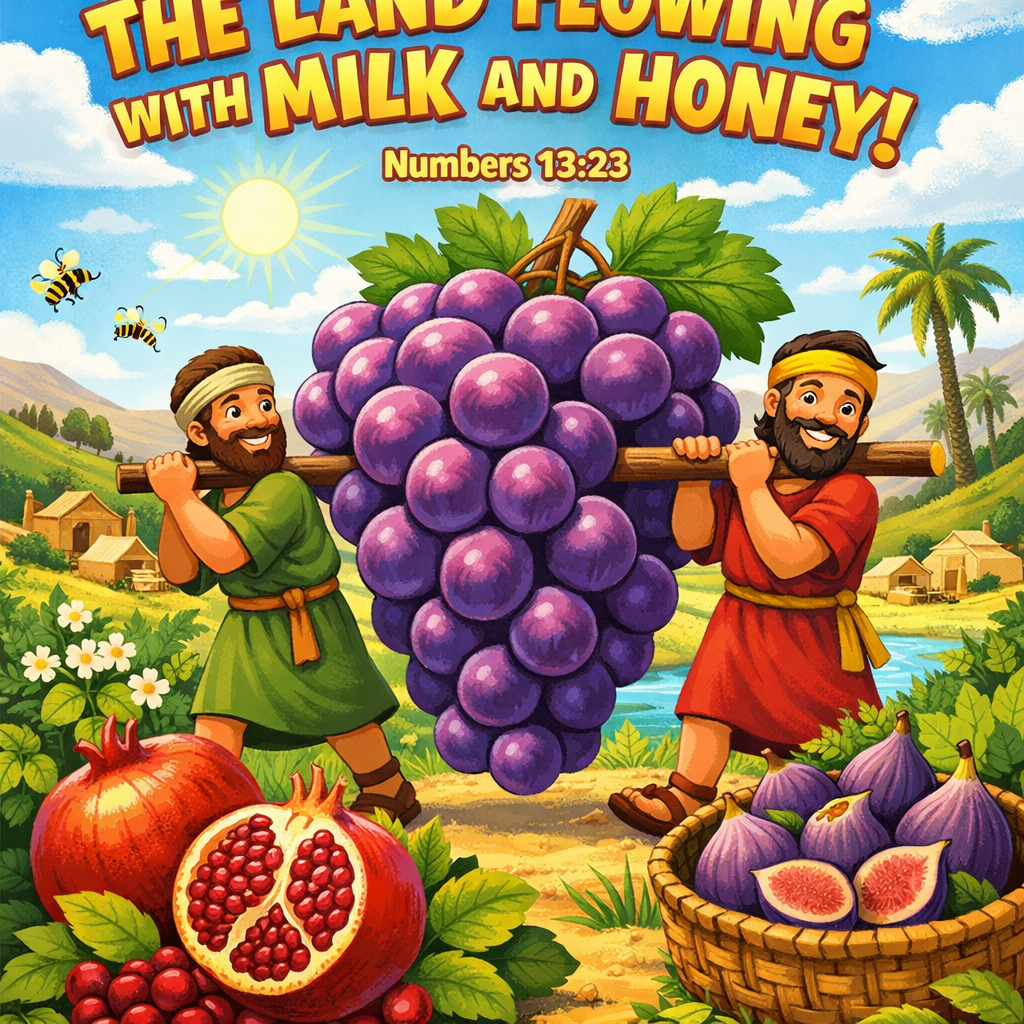
The spies found giants in the land!
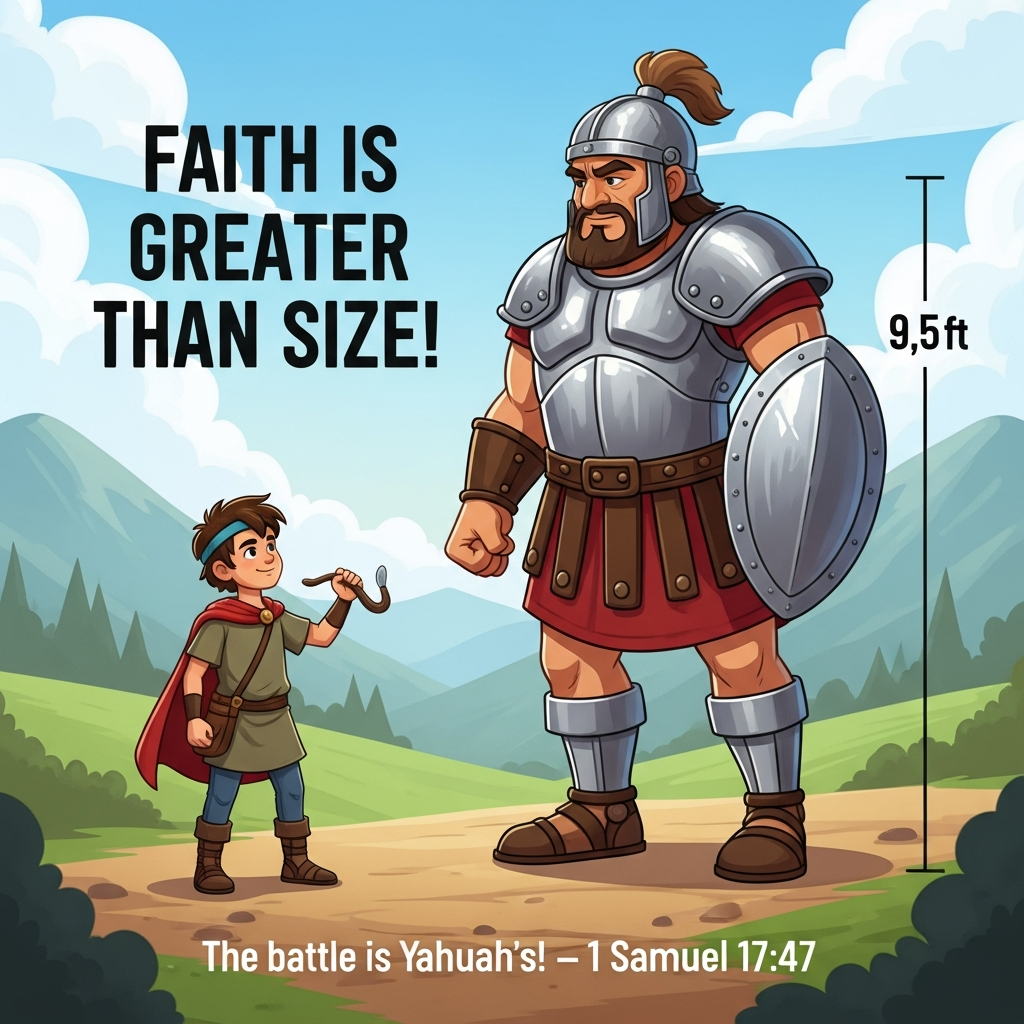
David defeats Goliath with faith in Yahuah!
Complete Study Guide
Review this comprehensive study guide before beginning the lessons. Understanding these foundational concepts will greatly enhance your learning experience.
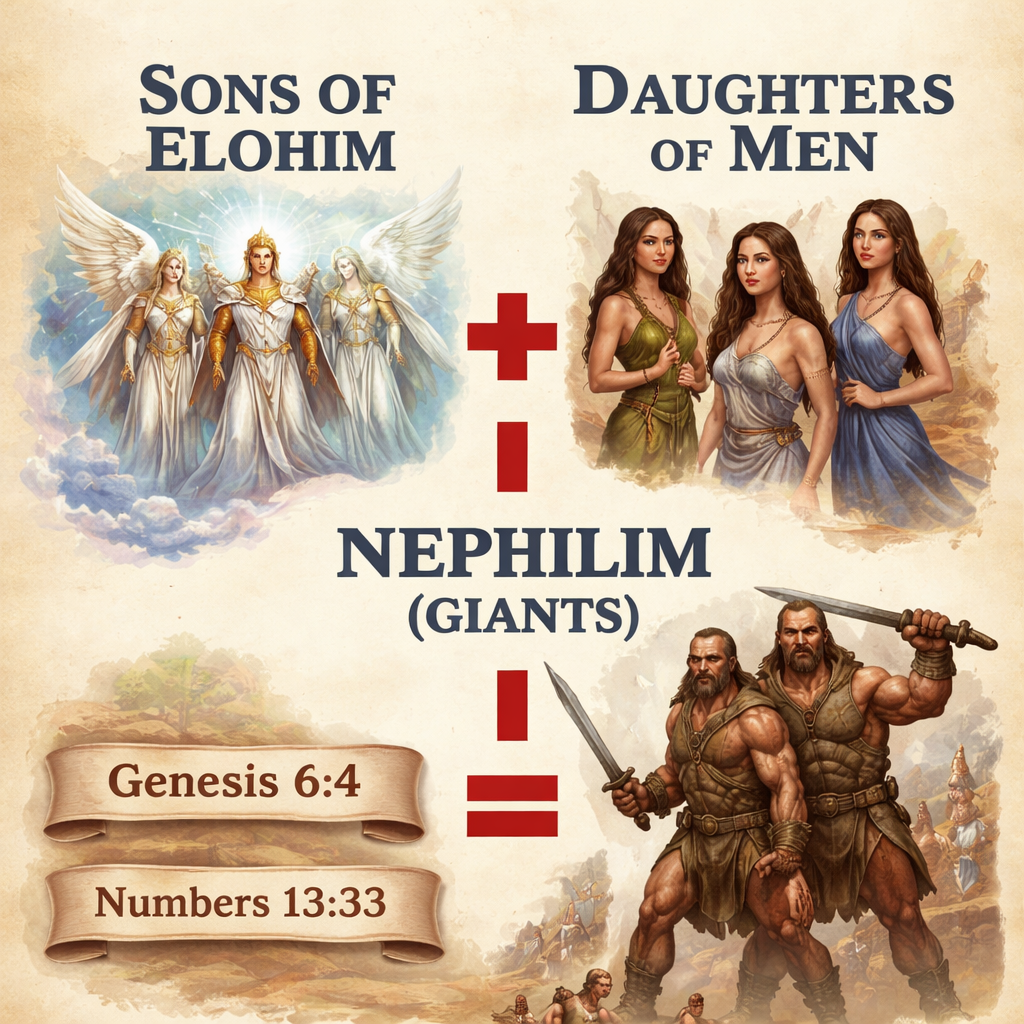
Genesis 6 Nephilim Study
Core Thesis
Key Terms Glossary
- Nephilim (נְפִילִים)
- "Fallen ones" or "those who cause others to fall" - from the Hebrew root "naphal" (to fall). Giants who existed before and after the Flood.
- Bene ha-Elohim (בְּנֵי הָאֱלֹהִים)
- "Sons of Elohim" - term used in Genesis 6 and Job to describe beings who interacted with human women. Interpreted as angels, the line of Seth, or ancient rulers.
- Anakim (עֲנָקִים)
- Giant clan descended from Anak, who lived in Canaan. Defeated by Joshua except in Gaza, Gath, and Ashdod. Goliath came from Gath.
- Rephaim (רְפָאִים)
- "Terrible ones" or "healers" - ancient giant race east of Jordan. Og of Bashan was the last of the Rephaim. Also used for shades/spirits of the dead.
- Emim (אֵימִים)
- "The terrors" - giant people who lived in Moab before the Moabites. Described as tall as the Anakim (Deuteronomy 2:10-11).
- Zamzummim (זַמְזֻמִּים)
- "Plotters" or "buzzers" - giant people in Ammon, also called Zuzim. Displaced by the Ammonites with Yahuah's help.
- Watchers (עִירִין)
- Term from Book of Enoch for angelic beings who descended to earth. Also appears in Daniel 4:13, 17, 23 referring to heavenly beings.
- Rapha (רָפָא)
- The progenitor of the Rephaim. The Philistine giants (including Goliath's family) were called "descendants of Rapha."
Hebrew Word Study: Nephilim
Transliteration: Nephilim (neh-fee-LEEM)
Root: נָפַל (naphal) - "to fall"
Meanings:
- "Fallen ones" - those who fell from grace
- "Those who cause others to fall" - tyrants, violent warriors
- "Giants" - traditional translation in LXX (Greek: gigantes)
Giant Clans of Scripture
| Group | Location | Key Scripture | Fate |
|---|---|---|---|
| Nephilim | Pre-flood earth, then Canaan | Genesis 6:4, Numbers 13:33 | Destroyed by Flood; remnant conquered |
| Anakim | Hebron/hill country of Canaan | Deuteronomy 9:2, Joshua 11:21-22 | Destroyed by Joshua; remnant in Gaza, Gath, Ashdod |
| Rephaim | East of Jordan (Bashan) | Deuteronomy 3:11, Genesis 14:5 | Og was last; defeated by Israel |
| Emim | Moab | Deuteronomy 2:10-11 | Displaced by Moabites |
| Zamzummim | Ammon | Deuteronomy 2:20-21 | Destroyed by Yahuah; displaced by Ammonites |
| Philistine Giants | Gaza, Gath, Ashdod | 2 Samuel 21:15-22 | Killed by David and his mighty men |
Scripture References
Common Objections Answered
Answer: This view fails to explain why the offspring were giants ("mighty men," "men of renown"). Normal human marriages don't produce genetically distinct giant offspring. The text describes something extraordinary that required divine judgment.
Answer: Yahusha said angels in heaven don't marry (Matthew 22:30). The Watchers were angels who LEFT their proper domain (Jude 6). Their rebellion included doing what angels were not supposed to do. The Book of Enoch and early church fathers understood this as fallen angels.
Answer: Scripture is our authority, not archaeology. We don't need external proof to believe Yahuah's Word. That said, claims of giant skeleton discoveries appear in historical records worldwide, though verified specimens are lacking. The absence of museum specimens may reflect destruction, deterioration, or suppression - but our faith rests on Scripture, not artifacts.
Spiritual Application
- The Nephilim were destroyed by the Flood
- The Anakim were conquered by Joshua and Caleb
- Og of Bashan was defeated by Israel
- Goliath was killed by David with a sling and stone
- All Philistine giants were killed by David's mighty men
The Lesson: The size of your giant doesn't matter - the size of your Elohim does.
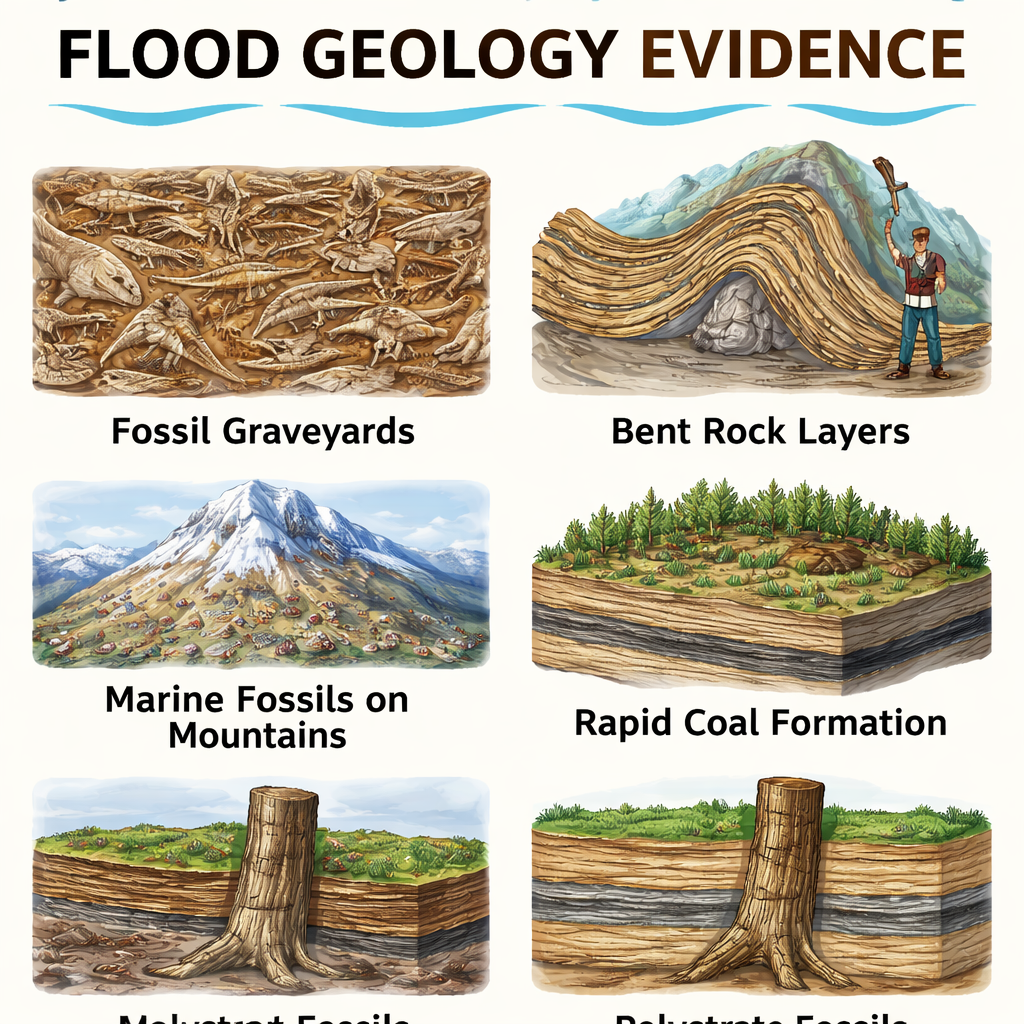
Flood Geology Evidence
Understanding the Text
This is one of the most controversial and often ignored passages in Scripture. It describes events before the Flood that were so significant they contributed to Yahuah's decision to judge the earth.
Hebrew Word Study
Root: נָפַל (naphal) - "to fall"
Meaning: "Fallen ones" or "those who cause others to fall"
Note: The Septuagint (Greek OT) translates this as "gigantes" - giants
Three Main Interpretations
| View | "Sons of Elohim" = | Proponents |
|---|---|---|
| Fallen Angel View | Angels mating with humans | Book of Enoch, Justin Martyr, early Jewish sources, many early church fathers |
| Sethite View | Godly descendants of Seth | Augustine, many modern evangelicals |
| Ruler/Tyrant View | Powerful kings or elites | Some modern scholars |
- In Job 1:6, 2:1, and 38:7, "sons of Elohim" clearly refers to angels
- The offspring were giants ("mighty men of renown") - not ordinary humans
- Jude 6 and 2 Peter 2:4 describe angels who "left their proper dwelling"
- The early church (first 300 years) overwhelmingly held the angel view
- The Sethite view doesn't explain giant offspring
Genesis 6:4 says the Nephilim were on earth "in those days - AND ALSO AFTERWARD." This indicates giants existed both before AND after the Flood, which explains their presence in Canaan when Israel arrived.
Lesson 1 Questions
1. The Hebrew word "Nephilim" comes from a root meaning:
2. In Job 1:6, 2:1, and 38:7, the term "sons of Elohim" refers to:
3. The phrase "and also afterward" in Genesis 6:4 indicates:
4. TRUE or FALSE: The Sethite view adequately explains why the offspring were giants ("mighty men of renown").
Explain your answer:
5. Which interpretation did the early church (first 300 years) predominantly hold?
Discussion Questions
Why do you think the Nephilim narrative is often ignored or dismissed in modern churches?
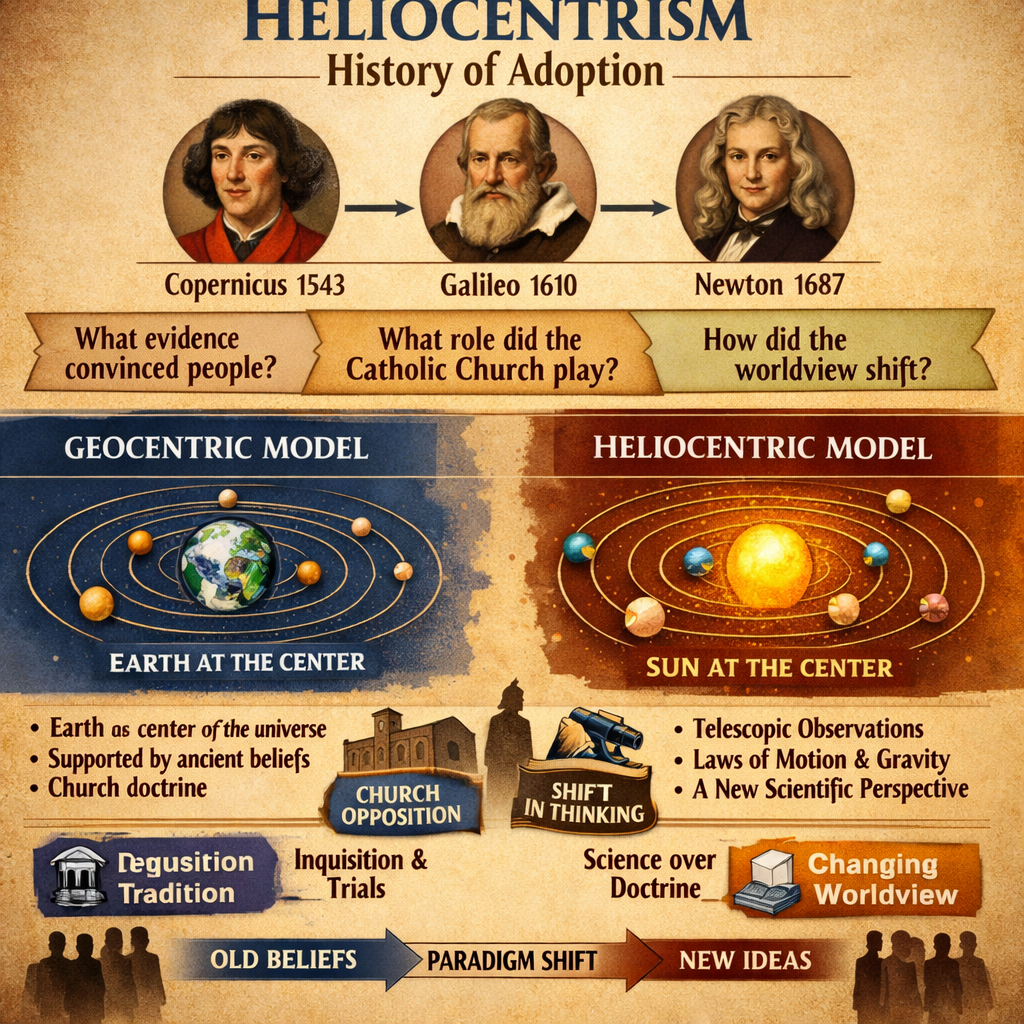
EXPOSED Heliocentrism History
How does understanding the nature of the Nephilim help explain why Yahuah sent the Flood?
The Context
Moses sent twelve spies to scout the Promised Land. Ten returned with a fearful report focused on the giants. Only Joshua and Caleb had faith to conquer.
Key Observations
- The SAME Hebrew word "Nephilim" is used as in Genesis 6
- The descendants of Anak came FROM the Nephilim
- This was POST-FLOOD - confirming "also afterward"
- The spies compared themselves to grasshoppers
- Fear of giants caused Israel to wander 40 years
The Anakim
- Tall clan living in Canaan, especially around Hebron
- Descended from Anak, son of Arba
- Arba was "the greatest man among the Anakim" (Joshua 14:15)
- Hebron was originally called "Kiriath-Arba" (city of Arba)
The Failure of Faith
The ten faithless spies said, "We are not able to go up against this people, for they are stronger than we" (Numbers 13:31). But Caleb said, "Let us go up at once and take possession, for we are well able to overcome it" (Numbers 13:30).
Lesson 2 Questions
1. The spies compared themselves to what insect when describing the giants?
2. The Anakim were descended from:
3. After Joshua's conquest, in which three cities did some Anakim remain?
4. Which two spies had faith to conquer the giants?
5. Why is it significant that Goliath came from Gath?
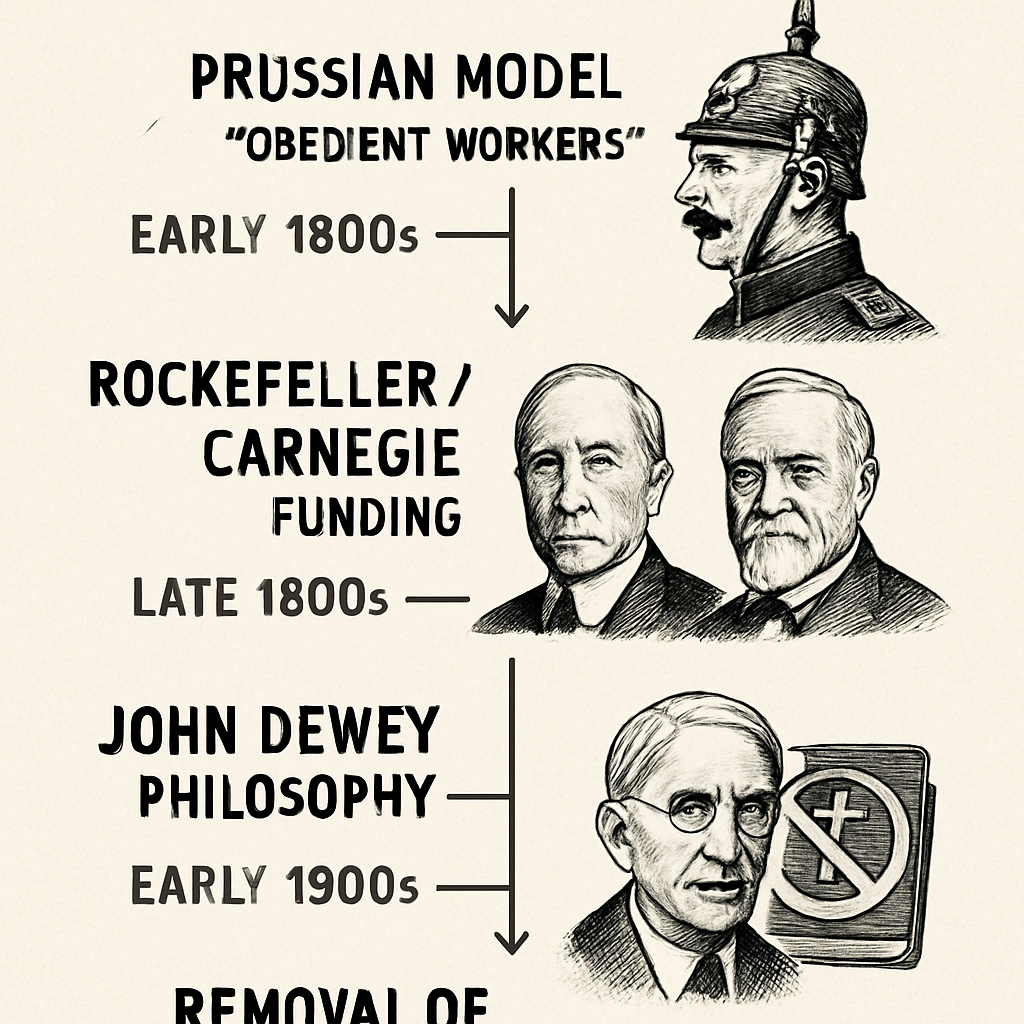
Education System History
Multiple Giant Groups
Scripture identifies several distinct giant clans that inhabited the land before and during Israel's conquest. Understanding these groups helps us see the scope of the giant presence.
| Group | Location | Key Details |
|---|---|---|
| Anakim | Canaan (Hebron area) | Descendants of Anak; defeated by Joshua |
| Rephaim | East of Jordan (Bashan) | Ancient tall race; Og was last remnant |
| Emim | Moab | "The terrors" - as tall as Anakim |
| Zamzummim | Ammon | "The plotters" - also called Zuzim |
Og, King of Bashan
- Length: 9 cubits = approximately 13.5 feet
- Width: 4 cubits = approximately 6 feet
- Made of iron - indicating tremendous weight
- Og was "last of the remnant of the Rephaim"
The Amorites
While this is poetic language, it indicates the Amorites were known for extraordinary stature and strength.
Lesson 3 Questions
1. How many cubits long was Og's iron bed?
2. This converts to approximately how many feet?
3. The Emim, who lived in Moab, were known as:
4. Og of Bashan was described as the last of which giant group?
5. Match each giant clan with its location:
Giant Clan
Location (Write Number)
Goliath's Height
- Hebrew (Masoretic): 6 cubits and a span = approximately 9 feet 9 inches
- Greek (Septuagint): 4 cubits and a span = approximately 6 feet 9 inches
- Both represent extraordinary height for the ancient world
Goliath's Armor
| Item | Description | Weight/Size |
|---|---|---|
| Helmet | Bronze | Not specified |
| Coat of Mail | Bronze scale armor | 5,000 shekels (~125 lbs) |
| Leg Armor | Bronze greaves | Not specified |
| Javelin | Bronze, slung on back | Not specified |
| Spear Shaft | "Like a weaver's beam" | Massive diameter |
| Spearhead | Iron | 600 shekels (~15 lbs) |
Other Philistine Giants
- Ishbi-Benob - spear weighed 300 shekels; killed by Abishai
- Saph - also of the Rephaim; killed by Sibbecai
- Lahmi - brother of Goliath; killed by Elhanan
- Unnamed giant - had 6 fingers on each hand, 6 toes on each foot (24 total); killed by Jonathan (David's nephew)
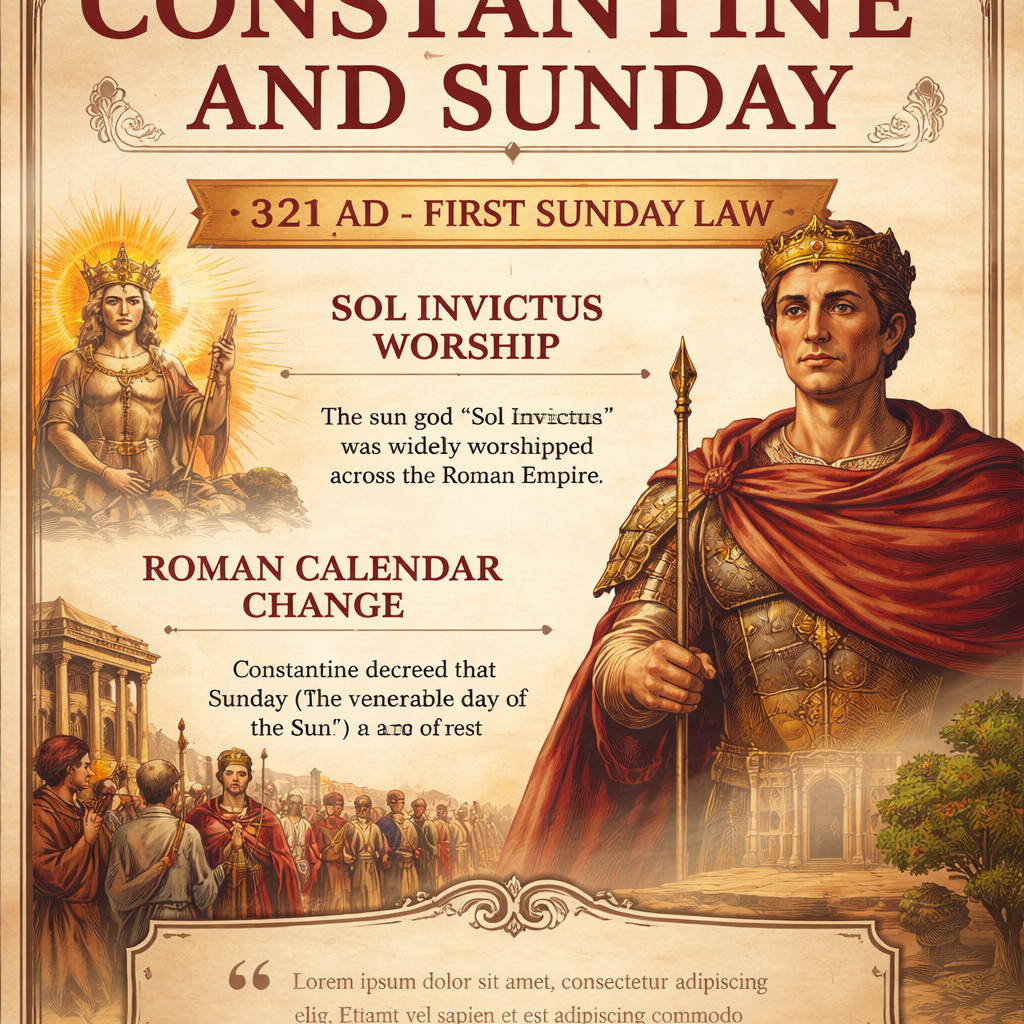
David's Victory
Lesson 4 Questions
1. Goliath was from which city?
2. According to the Hebrew text, Goliath was six cubits and a span tall, approximately:
3. The unnamed giant in 2 Samuel 21 had what unusual physical characteristic?
4. How many Philistine giants total are mentioned as killed by David and his men?
5. David said "the battle is ________'s." In whose name did David come against Goliath?
What Is the Book of Enoch?
- Jewish apocalyptic text (not in most Bibles)
- Written approximately 300-100 BCE
- Included in Ethiopian Orthodox canon
- Found among the Dead Sea Scrolls (Aramaic)
- Widely read in Second Temple Judaism
Enoch's Account of the Giants
The Book of Enoch provides a detailed expansion of Genesis 6:
- 200 angels called "Watchers" descended on Mount Hermon
- They taught forbidden knowledge to humans (metallurgy, cosmetics, sorcery)
- They mated with human women
- Their offspring were giants (claimed 300 cubits / ~450 feet tall)
- Giants devoured humanity and caused chaos
- The Flood was sent as judgment
New Testament Connections
"And Enoch also, the seventh from Adam, prophesied of these, saying, Behold, Yahuah cometh with ten thousands of his saints, to execute judgment upon all..."
Additionally, 2 Peter 2:4 and Jude 6 echo the concept of angels who "left their proper dwelling" being imprisoned for judgment.
Why It's Not Scripture
- Not of apostolic origin
- Contains doctrinal issues (excessive angelology)
- Some details contradict Scripture (300 cubits = ~450 feet is impossible)
- Not recognized as canon by the historic church
- Contains some truth mixed with embellishment
How to Approach Enoch
- Useful for understanding ancient Jewish thought on Genesis 6
- NOT Scripture - don't build doctrine on it
- The fact that Jude quotes it shows early believers knew it
- Some content may preserve accurate tradition; some is clearly embellished
- Scripture remains our final authority
Lesson 5 Questions
1. Which New Testament book directly quotes from 1 Enoch?
2. The Book of Enoch is included in which church's canon?
3. The fallen angels in Enoch are called:
4. TRUE or FALSE: We should build our doctrine about giants primarily on the Book of Enoch.
Explain your answer:
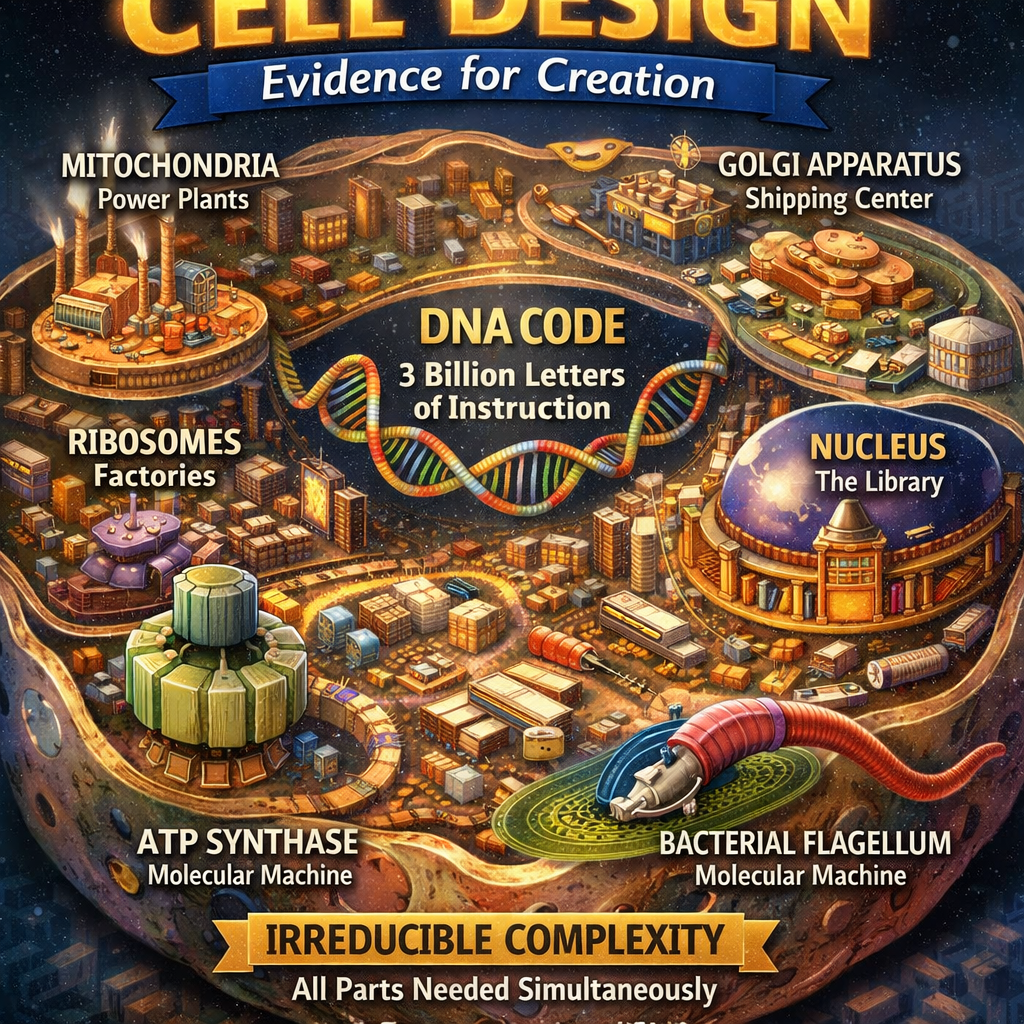
Biology Cell Design
5. What is the balanced approach to the Book of Enoch?
Pattern Recognition
Giant legends appear in nearly ALL cultures worldwide. If giants were only in Hebrew imagination, why do completely unconnected cultures share similar stories?
| Culture | Giant Legend |
|---|---|
| Greek/Roman | Titans and Cyclopes - giants who warred against the gods |
| Norse | Jotunn (frost giants) - enemies of the gods |
| Native American (Paiute) | Si-Te-Cah - red-haired cannibal giants |
| Mesopotamian | Gilgamesh epic - giant Humbaba guardian |
| South American (Inca) | Giants as megalith builders |
| European | Jack the Giant Killer and various folklore |
Common Elements Across Cultures
- Enormous size
- Often chaos-bringers OR builders of massive structures
- Defeated by gods or heroes
- Frequently cannibalistic
- Associated with ancient or pre-flood times
Possible Explanations
- Common memory of actual giants - biblical view: all cultures descended from Noah and retained memories of pre/post-flood giants
- Megafauna fossil misidentification - ancient peoples finding large bones and creating stories
- Exaggerated tales of tall individuals - unusually tall people becoming legendary over time
- Universal symbolic mythology - giants as metaphors for chaos or nature's power
Lesson 6 Questions
1. In Greek mythology, which giants warred against the gods?
2. The Paiute Native American legend describes giants with what physical characteristic?
3. Norse mythology calls giants:
4. From a biblical perspective, why do giant legends appear in cultures worldwide?
5. List three common elements found in giant legends across different cultures:

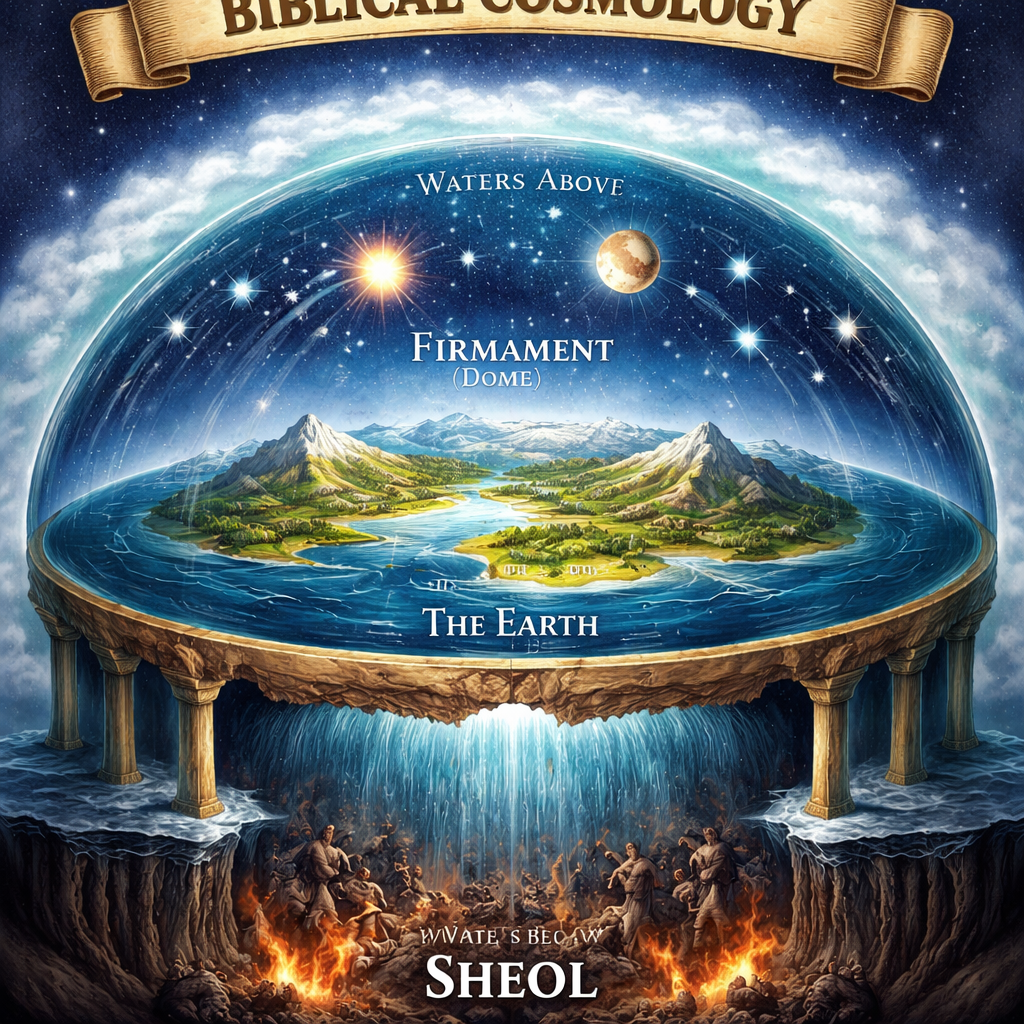
Biblical Cosmology Model
Historical Reports
Numerous newspaper reports from the 19th and early 20th centuries described discoveries of giant skeletons:
- New York Times 1902: Giant skeletons in New Mexico
- Toledo Gazette: Ohio mound giants (8-9 feet)
- 1912 Wisconsin: 18 giant skeletons reported
What's Disputed
- Many historical reports were hoaxes or sensationalized journalism
- Some were misidentified animal bones (mastodons, etc.)
- No verified giant skeletons exist in any museum worldwide
- The "2014 Smithsonian Supreme Court case" is a CONFIRMED HOAX
- Claims of systematic suppression lack documented evidence
Verified Science
- Tallest verified human: Robert Wadlow at 8 feet 11 inches
- Medical gigantism: Caused by pituitary tumor producing excess growth hormone
- Physical limits: Human biology fails beyond ~9 feet (square-cube law)
- Paracas skulls: DNA shows human origins; elongation from cranial binding, not genetics
The Biblical Position
- Scripture clearly teaches giants existed - that's sufficient
- We don't need archaeological "proof" to believe Yahuah's Word
- Absence of museum specimens doesn't disprove Scripture
- Being honest about unverified claims protects our credibility
- Sensational claims hurt the truth we're trying to share
Lesson 7 Questions
1. Who was the tallest verified human in recorded history?
2. TRUE or FALSE: The "2014 Smithsonian Supreme Court case admitting giant cover-up" is a verified true story.
3. The Paracas elongated skulls are the result of:
4. Why is it important to be honest about unverified archaeological claims?
5. Does the absence of giant skeletons in museums disprove the biblical account? Why or why not?
The Biblical Pattern
Throughout Scripture, giants represent enemies of Yahuah's people - and they are ALWAYS defeated by faith.
| Giant Enemy | Faithful Conqueror | Result |
|---|---|---|
| Pre-flood Nephilim | Noah's faith | Flood destroyed them; Noah preserved |
| Anakim in Canaan | Joshua and Caleb | Giants destroyed; land conquered |
| Og of Bashan | Israel under Moses | Og defeated; territory taken |
| Goliath | David | Giant killed with a sling and stone |
| Four Philistine giants | David's mighty men | All four killed; giant line ended |
David's Declaration
What Giants Represent Today
- Overwhelming obstacles that seem impossible
- Enemies of Yahuah's people (spiritual forces, persecutors)
- Fear that paralyzes our faith
- Seemingly impossible situations
- Addictions, strongholds, and persistent sins
The Lesson
The ten faithless spies saw themselves as grasshoppers. Joshua and Caleb saw Yahuah as greater than the giants. David didn't see a giant too big to hit - he saw a target too big to miss. Our perspective determines our faith response.
Lesson 8 Questions
1. David said "the battle is ________'s."
2. The ten faithless spies saw themselves as:
3. Throughout Scripture, what is the consistent outcome when Yahuah's people face giants with faith?
4. What "giants" are you currently facing in your life, and how does this study change your perspective?
5. Complete this statement and explain: "The size of my giant doesn't matter because..."
Final Reflection
Write a summary of the most important things you learned in this workbook about giants in Scripture and how this knowledge applies to your faith:
Complete Answer Key
For instructors and self-checking. Review after completing each lesson.
Lesson 1: The Nephilim - Genesis 6
Nephilim comes from the Hebrew root "naphal" meaning "to fall" - hence "fallen ones."
In Job 1:6, 2:1, and 38:7, "sons of Elohim" clearly refers to angelic beings in the heavenly court.
This phrase confirms giants appeared post-flood, explaining their presence in Canaan.
The Sethite view cannot explain why offspring were giants - "mighty men of renown." Normal human marriages don't produce genetically distinct giant offspring.
The early church (first 300 years) overwhelmingly held the fallen angel interpretation, including Justin Martyr and most early church fathers.
Lesson 2: Giants in Canaan
"We seemed like grasshoppers in our own eyes" - Numbers 13:33
The Anakim descended from Anak, whose father Arba was "the greatest man among the Anakim."
Joshua 11:22 - These Philistine cities retained Anakim remnants.
Only these two spies had faith that Israel could conquer the giants with Yahuah's help.
Goliath came from Gath because that's one of three cities where Anakim remained after Joshua's conquest (Joshua 11:22). Goliath was a descendant of those survivors, showing direct lineage from the Anakim giants.
Lesson 3: Giant Clans
Deuteronomy 3:11 specifies 9 cubits long.
9 cubits x 18 inches = 162 inches = 13.5 feet.
Emim means "the terrors" or "the feared ones."
Og was "left of the remnant of the Rephaim."
A = 3 (Emim in Moab); B = 2 (Rephaim east of Jordan/Bashan); C = 1 (Anakim in Canaan/Hebron); D = 4 (Zamzummim in Ammon)
Lesson 4: Goliath and Philistine Giants
1 Samuel 17:4 - "Goliath, of Gath"
6 cubits + span = approximately 9'9" in the Hebrew text.
2 Samuel 21:20 describes this polydactyl giant with 24 digits total.
Goliath + 4 others listed in 2 Samuel 21:15-22.
"The battle is Yahuah's." David came in the name of Yahuah of hosts (Lord of armies). This shows faith in Yahuah's power, not his own strength - the key to defeating giants.
Lesson 5: The Book of Enoch
Jude 1:14-15 directly quotes 1 Enoch 1:9.
The Book of Enoch is canonical in the Ethiopian Orthodox Church.
Enoch calls the fallen angels "Watchers" who descended on Mount Hermon.
While Enoch provides useful context, it's not Scripture. Our doctrine should be built on canonical Scripture. Enoch contains embellishments (300-cubit giants = ~450 feet is impossible) and should be used cautiously.
A balanced approach: Recognize Enoch as useful for understanding ancient Jewish thought on Genesis 6; note that Jude quotes it showing early believers knew it; but don't build doctrine on it since it's not Scripture and contains some exaggerations. Scripture remains our final authority.
Lesson 6: Global Giant Legends
The Titans were the Greek giants who warred against Zeus and the Olympians.
The Paiute Si-Te-Cah legend describes red-haired cannibal giants.
Jotunn (frost giants) are the giants of Norse mythology.
All peoples descended from Noah's family, who had firsthand knowledge of the Nephilim and post-flood giants. As people spread across the earth after Babel, they carried these memories, which were preserved (though sometimes distorted) in their cultural traditions.
1) Enormous size; 2) Often chaos-bringers or builders of massive structures; 3) Defeated by gods or heroes; 4) Frequently cannibalistic; 5) Associated with ancient or pre-flood times.
Lesson 7: Archaeological Claims
Robert Wadlow of Illinois is the tallest verified human in recorded history.
The "2014 Smithsonian Supreme Court case" is a CONFIRMED HOAX that originated from a satire website.
DNA testing shows Paracas skulls are human; elongation came from cranial binding practiced by the culture, not genetics or alien origins.
Promoting unverified claims damages our credibility when sharing truth. If we spread hoaxes (like the fake Smithsonian story), people won't believe us about genuine biblical truths. Honest assessment protects our witness.
No. Our faith rests on Scripture, not archaeology. Yahuah's Word is true regardless of what museums contain. Absence of evidence is not evidence of absence - artifacts may have been lost, destroyed, or not yet discovered. Scripture is our authority.
Lesson 8: Faith Defeats Giants
"The battle is Yahuah's" - 1 Samuel 17:47
"We seemed like grasshoppers in our own eyes" - their fearful self-perception.
In EVERY biblical account, when Yahuah's people face giants with faith, the giants are defeated - from the Flood to David's mighty men.
These are personal application questions. Evaluate based on: 1) Specific identification of challenges; 2) Application of lesson principles (Yahuah fights for us, faith perspective, the battle is Yahuah's); 3) Understanding that our Elohim is greater than any giant.