THE SACRED NAMES
A Scripture-Based Study of Yahuah and Yahusha
Course Overview
The divine name YHWH (יהוה) appears approximately 6,828 times in the Hebrew Scriptures, making it the most frequently occurring name for God—yet most English translations replace it with "LORD." This 10-lesson course examines the linguistic, historical, and scriptural evidence for the sacred names, distinguishing carefully between documented scholarship and speculation.
Course Objectives:
- Understand the meaning and significance of the Tetragrammaton (YHWH)
- Examine evidence for pronunciation (Yahweh vs. Yahuah)
- Trace the history of name substitution
- Study the original Hebrew name of the Messiah
- Distinguish documented facts from unsupported claims
Lesson 1 Why Names Matter in Scripture
In the ancient world, names were far more than labels—they revealed identity, character, authority, and destiny. When Yahuah revealed His name to Moses at the burning bush, He wasn't simply providing a way to address Him; He was disclosing His very nature and establishing covenant relationship with His people.
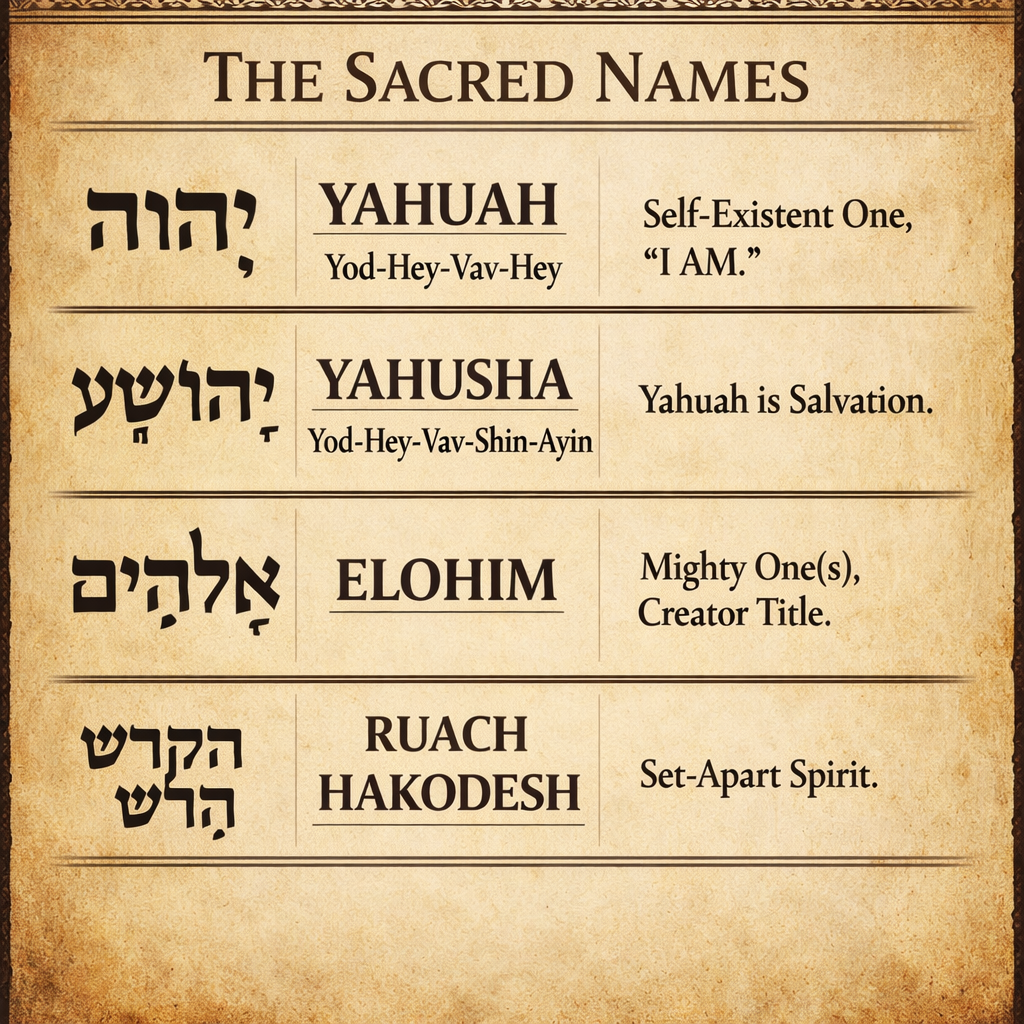
Tetragrammaton Analysis
The Hebrew concept of shem (שֵׁם, "name") encompasses reputation, character, and memorial. When we read "the name of YHWH" in Scripture, we're reading about His revealed character, His authority, and His covenant faithfulness. This is why the third commandment prohibits bearing His name "in vain"—not merely speaking it carelessly, but representing Him falsely.
Exodus 3:15 — "And Elohim said moreover unto Moses, Thus shalt thou say unto the children of Israel, YHWH Elohim of your fathers, the Elohim of Abraham, the Elohim of Isaac, and the Elohim of Jacob, hath sent me unto you: this is my name forever, and this is my memorial unto all generations."
Sacred Names Hebrew Chart
The divine name appears approximately 6,828 times in the Hebrew Scriptures according to the Biblia Hebraica Stuttgartensia (BHS), the standard scholarly Hebrew Bible text. This makes it the most frequently occurring name for the Almighty—yet most English translations substitute "LORD" (in capital letters) for the actual name.
Why does this matter? Consider these truths:
- Isaiah 42:8 — "I am YHWH: that is my name: and my glory will I not give to another"
- Psalm 83:18 — "That men may know that thou, whose name alone is YHWH, art the most high over all the earth"
- Joel 2:32 — "Whosoever shall call on the name of YHWH shall be delivered"
Key Terms
Shem (שֵׁם) — H8034 — Name, reputation, character, memorial
YHWH (יהוה) — H3068 — The Tetragrammaton, the four-letter divine name
Tetragrammaton — From Greek "four letters" — refers to the four Hebrew consonants of the divine name
Memory Verse — Exodus 3:15b
"This is my name forever, and this is my memorial unto all generations."
Discussion Questions
- Why do you think the Creator chose to reveal a specific name rather than just titles like "God" or "Lord"?
- How does knowing that YHWH appears almost 7,000 times in Scripture change how you view Bible translations that replace it?
- What does it mean practically to "bear" the name of Yahuah (the third commandment)?
Lesson 2 The Tetragrammaton — The Divine Name
The Tetragrammaton consists of four Hebrew consonants written right-to-left: יהוה. These four letters—Yod, Hey, Waw, Hey—form the most sacred name in the Hebrew Bible.
י ה ו ה
Yod - Hey - Waw - Hey
| Hebrew |
Letter Name |
Transliteration |
Description |
| י |
Yod (Yodh) |
Y |
10th letter; smallest letter; consonant /y/ |
| ה |
Hey (He) |
H |
5th letter; indicates breath/aspiration |
| ו |
Waw (Vav) |
W/V |
6th letter; originally /w/, later /v/ in modern Hebrew |
| ה |
Hey (He) |
H |
Final letter (repeated) |
The Meaning Revealed in Exodus 3:14-15
When Moses asked for the divine name, Yahuah responded with one of the most profound statements in all of Scripture:
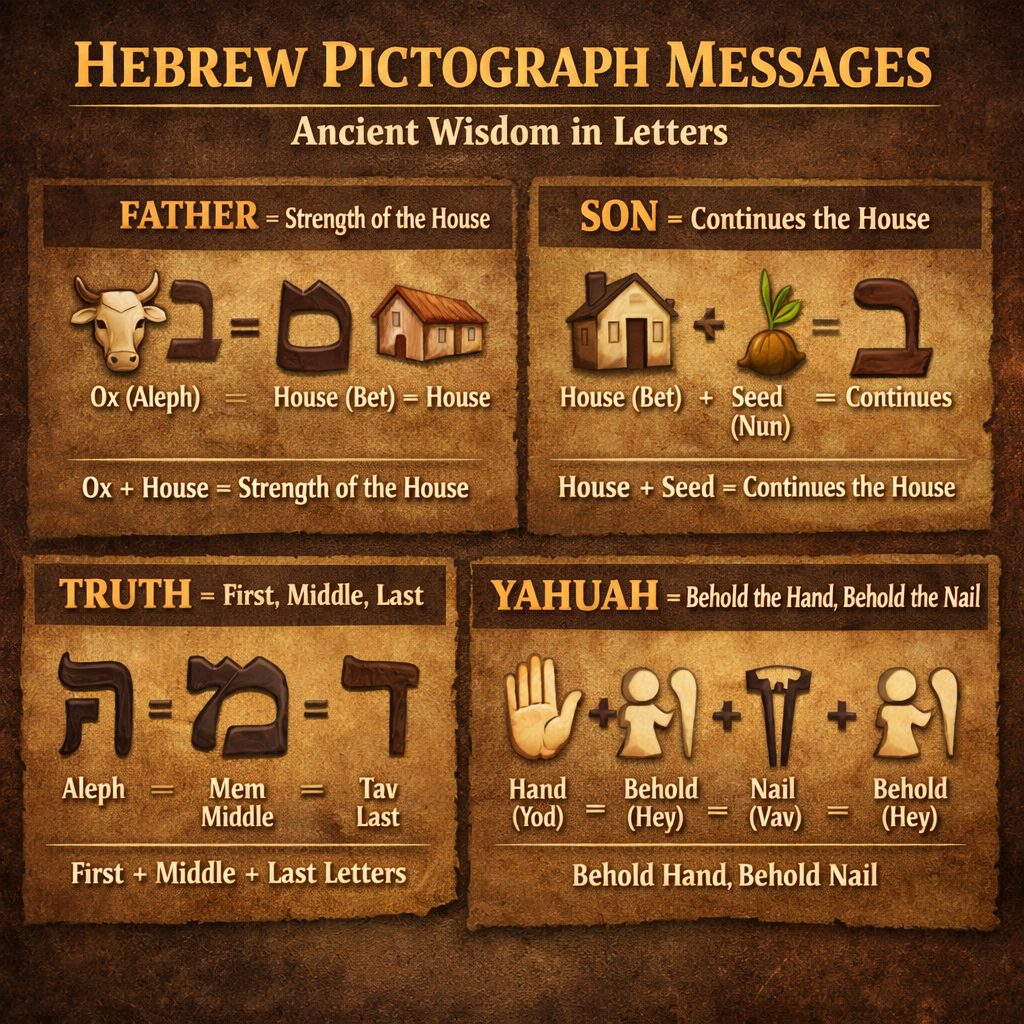
Hebrew Pictograph Messages
אֶהְיֶה אֲשֶׁר אֶהְיֶה
Ehyeh Asher Ehyeh
"I AM WHO I AM" / "I WILL BE WHAT I WILL BE"
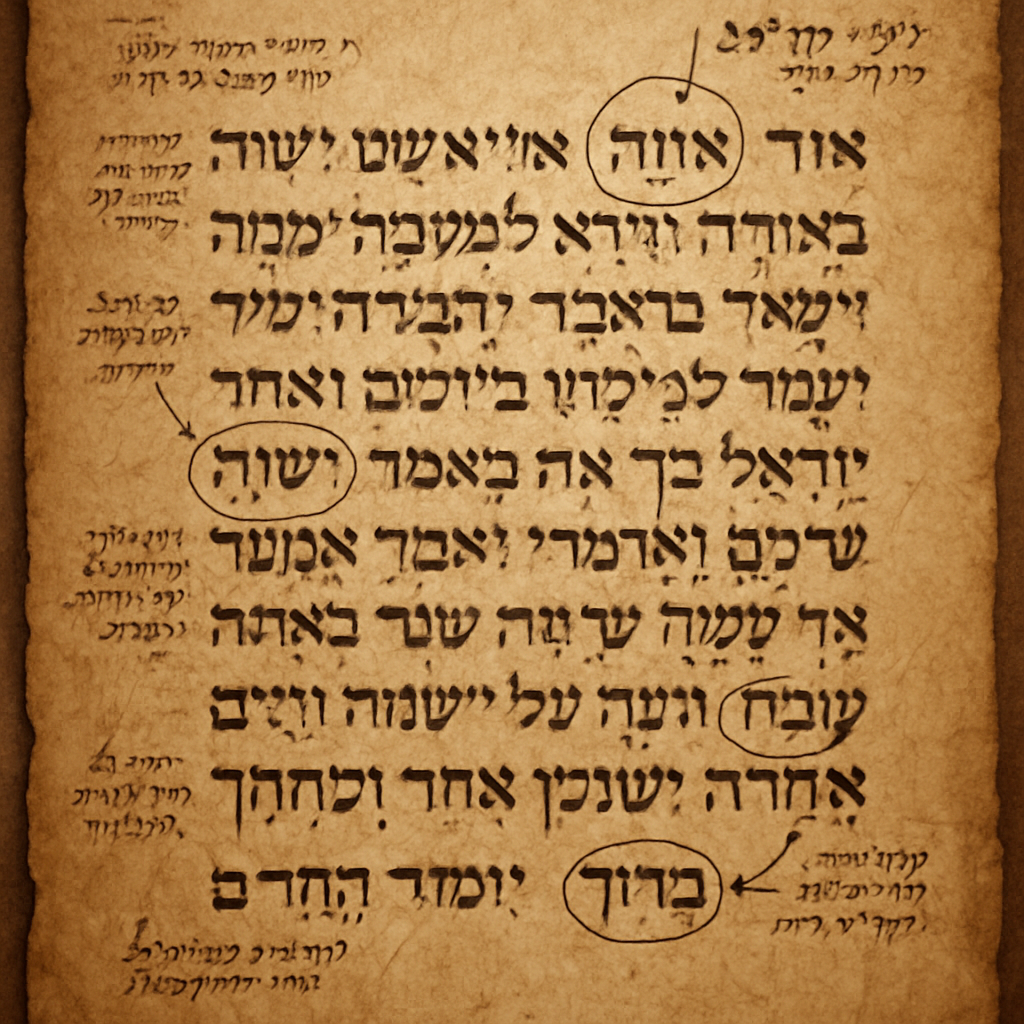
Hebrew Manuscript Study
The name YHWH is connected to the Hebrew root היה (h-y-h, "to be"). The name represents a third-person form ("He is/will be") corresponding to the first-person אֶהְיֶה (Ehyeh, "I am/will be"). This reveals:
- "He who is" — emphasizing eternal self-existence
- "He who causes to be" — emphasizing creative power
- "He will be what He will be" — emphasizing ongoing revelation
Grammatical Note: The verb אֶהְיֶה (Ehyeh) is the first person common singular imperfect (yiqtol) of the root היה. Unlike English tenses, Biblical Hebrew uses aspect (complete/incomplete) rather than strict time reference—the imperfect can express present ongoing state or future action. This ambiguity is theologically rich.
Caution on Pictographic Meanings: Some teach that the Paleo-Hebrew pictographs spell out "Behold the hand, behold the nail." While devotionally interesting, modern linguists strongly caution against this methodology. Dr. Michael Heiser and other Hebrew scholars note that by the time Hebrew developed as an alphabetic script, letters represented sounds, not pictographic meanings.
Key Terms
Ehyeh (אֶהְיֶה) — H1961 — "I am" / "I will be" — first person form of the verb "to be"
Hayah (היה) — H1961 — The Hebrew verb "to be, become, exist"
Asher (אֲשֶׁר) — H834 — Relative pronoun: "who, which, that"
Memory Verse — Exodus 3:14
"And Elohim said unto Moses, I AM THAT I AM: and he said, Thus shalt thou say unto the children of Israel, I AM hath sent me unto you."
Discussion Questions
- What does it mean that Yahuah's name is connected to the concept of "being" or "existence"?
- How does "I AM WHO I AM" differ from the names of pagan gods, which were often tied to natural forces?
- Why is it important to be cautious about pictographic letter interpretations?
Lesson 3 Pronunciation Evidence — Yahweh vs. Yahuah
How was the divine name originally pronounced? This question has occupied scholars for centuries. The challenge is that ancient Hebrew was written without vowels, and by the time vowel markings were added (6th-10th centuries CE), Jews had long stopped pronouncing the name.
The Masoretic Vowel System
The Masoretes were Jewish scribes who worked from the 6th to 10th centuries CE to preserve the Hebrew Bible text. They developed nikkudot (vowel points)—dots and dashes placed around consonants to indicate vowel sounds.
Critical Evidence: The Dead Sea Scrolls (c. 150 BCE – 70 CE) contain no vowel points, proving the system was invented much later. The Masoretes applied the vowels of substitute words to YHWH as a qere perpetuum (perpetual reading note).
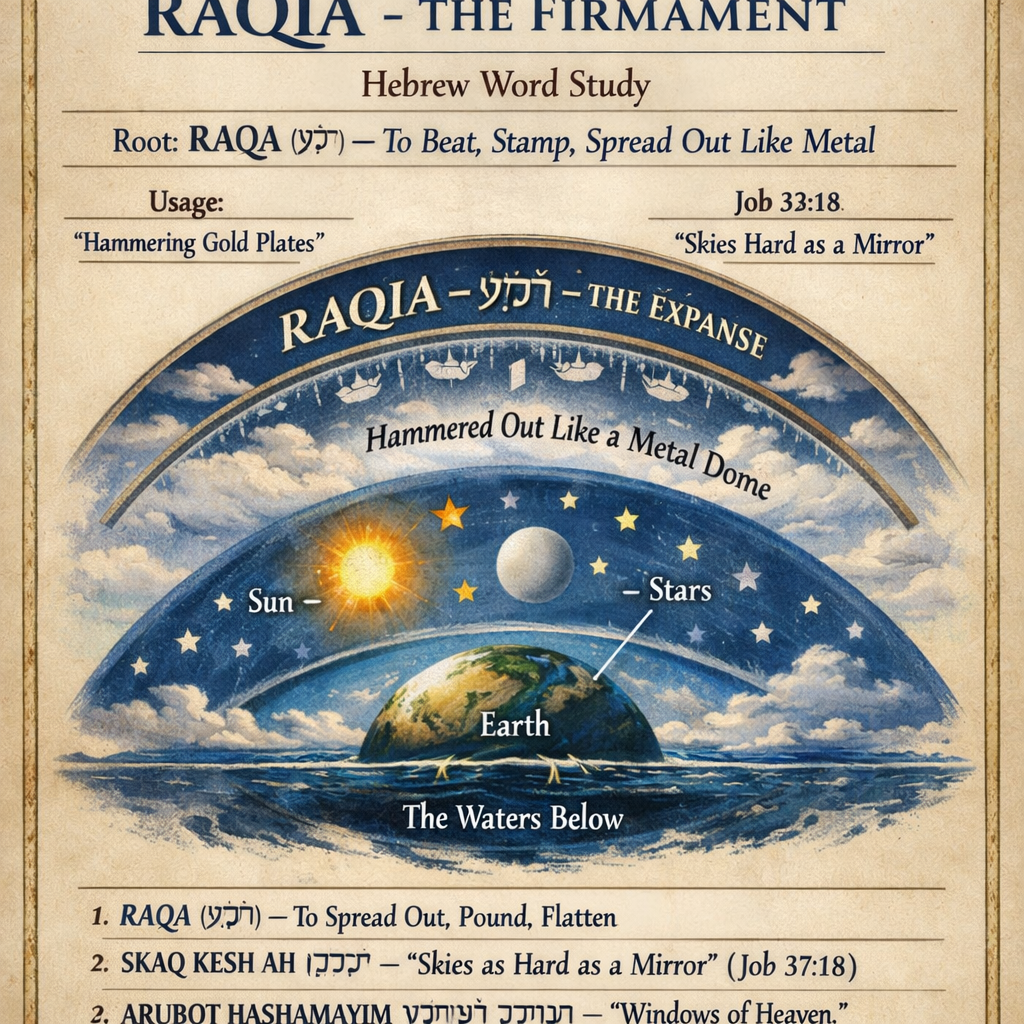
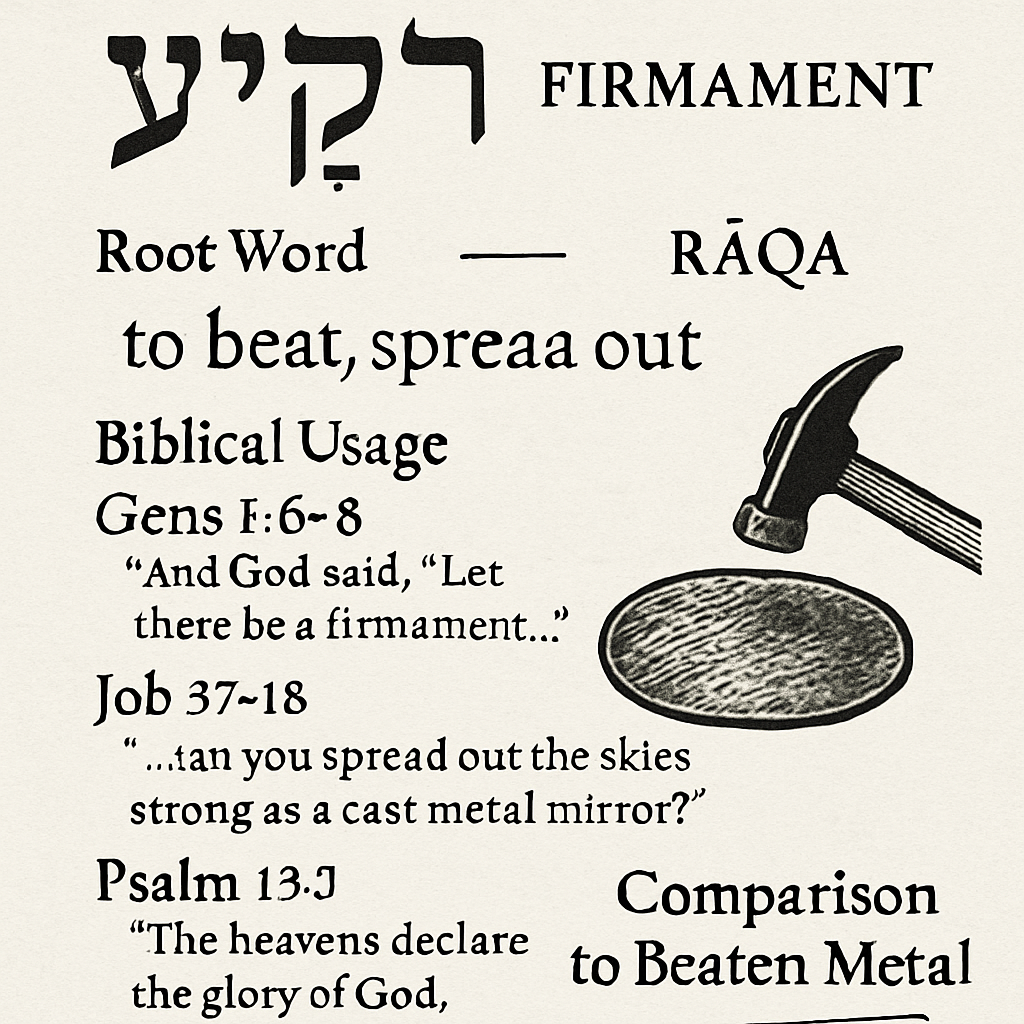
Firmament Hebrew Study
The vowels placed on יהוה in Masoretic texts are from אֲדֹנָי (Adonai, "Lord")—signaling readers to pronounce "Adonai" instead of the actual name. This was never meant to indicate YHWH's original pronunciation.
Evidence Supporting "Yahuah"
Theophoric Name Evidence: Biblical names containing the divine element preserve syllables of YHWH:
- Eliyahu (אֵלִיָּהוּ) — "My God is Yahu"
- Yeshayahu (יְשַׁעְיָהוּ) — "Yahu is salvation"
- Zechariyahu (זְכַרְיָהוּ) — "Yahu remembers"
The suffix -yahu (יָהוּ) in these names suggests the divine name included "Yahu" as a component, leading some to reconstruct "Yah-u-ah."
Evidence Supporting "Yahweh"
Greek Transliterations: Ancient sources preserve Greek approximations:
- Clement of Alexandria (d. c. 215 CE): Ἰαοὺε (Iaoue)
- Theodoret (d. c. 457 CE): Samaritans say Ἰαβέ (Iabe/Yabe)
- Epiphanius (d. 404 CE): Ἰάβε (Iabe)
The modern scholarly consensus strongly favors "Yahweh" as the most probable ancient pronunciation. The Encyclopedia Britannica states: "In the 19th and 20th centuries biblical scholars again began to use the form Yahweh."
Why "Jehovah" is Problematic
"Jehovah" is a hybrid form created by combining YHWH consonants with Adonai vowels. The 1911 Encyclopædia Britannica states: "'Jehovah' is a modern mispronunciation of the Hebrew name, resulting from combining the consonants of that name, Jhvh, with the vowels of the word ădōnāy."
Key Terms
Nikkudot — Hebrew vowel points added by Masoretes (6th-10th century CE)
Qere Perpetuum — "Perpetual reading" — a permanent substitution note
Theophoric — Names containing a divine element (from Greek "god-bearing")
Memory Verse — Psalm 68:4
"Sing unto Elohim, sing praises to his name: extol him that rideth upon the heavens by his name YAH, and rejoice before him."
Discussion Questions
- Why is the evidence from theophoric names (like Eliyahu) important for understanding pronunciation?
- How should we handle uncertainty about the exact pronunciation while still honoring the name?
- What do you think about using "Jehovah" given its problematic origin?
Lesson 4 The History of Name Substitution
How did we go from a name spoken 6,828 times in Scripture to a name hidden behind substitutes? The history of this transition reveals both reverence gone astray and the fulfillment of prophetic warnings.
When Jews Stopped Pronouncing the Name
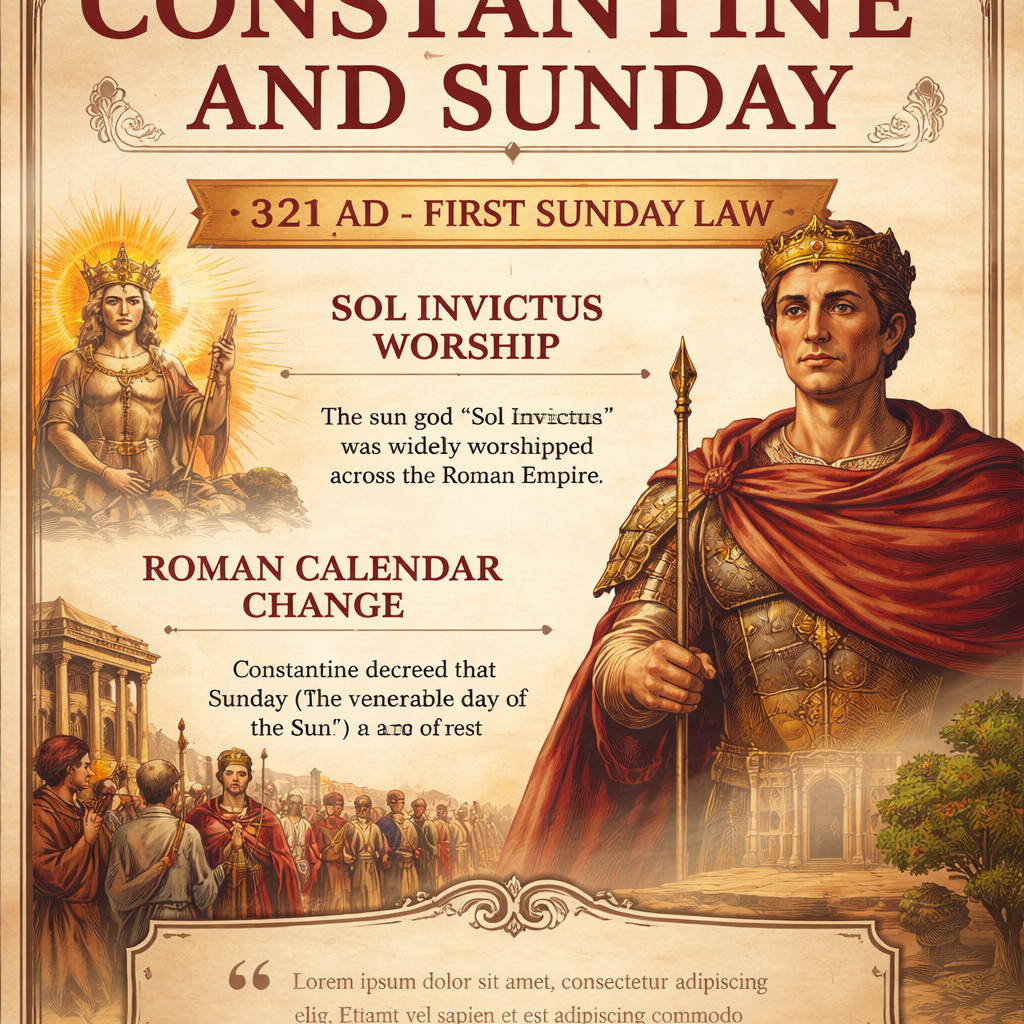
The scholarly consensus places the cessation of pronunciation "by at least the 3rd century BCE, during Second Temple Judaism." The Book of Ruth (5th century BCE) shows the Divine Name was still pronounced in everyday greetings:
Ruth 2:4 — "And, behold, Boaz came from Bethlehem, and said unto the reapers, YHWH be with you. And they answered him, YHWH bless thee."
Possible triggers for the cessation include:
- The decree of Antiochus IV Epiphanes (c. 168 BCE)
- The death of Simeon the Just (high priest, c. 310-291 BCE)
- Growing fear of "taking the name in vain"
The Mishnah (Sanhedrin 10:1) later declared: "Also one who pronounces the divine name as it is written" has no portion in the World to Come. The High Priest continued pronouncing the Name on Yom Kippur until the Temple's destruction in 70 CE.
Substitute Terms
| Hebrew |
Meaning |
Usage |
| Adonai (אֲדֹנָי) |
"My Lords" (plural of majesty) |
Primary substitute in Torah reading and prayer |
| HaShem (הַשֵּׁם) |
"The Name" |
Everyday speech and casual conversation |
| Elohim (אֱלֹהִים) |
"Mighty One(s)" |
When YHWH Adonai appears together |
English Bible Translation History
The substitution passed through multiple stages:
- Septuagint (LXX, 3rd-2nd century BCE) — Greek κύριος (Kyrios, "Lord") replaced YHWH
- Latin Vulgate (4th century CE) — "Dominus" (Lord)
- Luther's German Bible (1522) — "HERR" in capitals
- Tyndale's English Bible (1530) — "LORDE" in capitals
- King James Version (1611) — "LORD" (capital L, small capitals ORD)
In the KJV, "LORD" appears approximately 6,510 times, "JEHOVAH" only 4 times (Exodus 6:3, Psalm 83:18, Isaiah 12:2, 26:4).
Jeremiah 23:27 — "Which think to cause my people to forget my name by their dreams which they tell every man to his neighbour, as their fathers have forgotten my name for Baal."
Key Terms
Adonai (אֲדֹנָי) — H136 — "My Lord(s)" — the primary spoken substitute
HaShem (הַשֵּׁם) — "The Name" — used in everyday speech
Kyrios (κύριος) — G2962 — Greek for "Lord" — used in Septuagint
Memory Verse — Psalm 83:18
"That men may know that thou, whose name alone is YHWH, art the most high over all the earth."
Discussion Questions
- How did well-intentioned reverence lead to hiding the very name Yahuah declared "forever"?
- Is there a connection between Jeremiah 23:27's "forgotten my name for Baal" and using "Lord" (since Ba'al also means "lord")?
- Should modern believers restore the use of the divine name? Why or why not?
Lesson 5 The Messiah's Hebrew Name — Yeshua
What was the Messiah's original name? The answer is historically documented and linguistically clear: He was called Yeshua (יֵשׁוּעַ), a common Jewish name meaning "YHWH is salvation."
The Two Forms of the Name
יְהוֹשֻׁעַ — Yehoshua (full form) — 218 times in Hebrew Bible
יֵשׁוּעַ — Yeshua (shortened form) — 29 times in Hebrew Bible
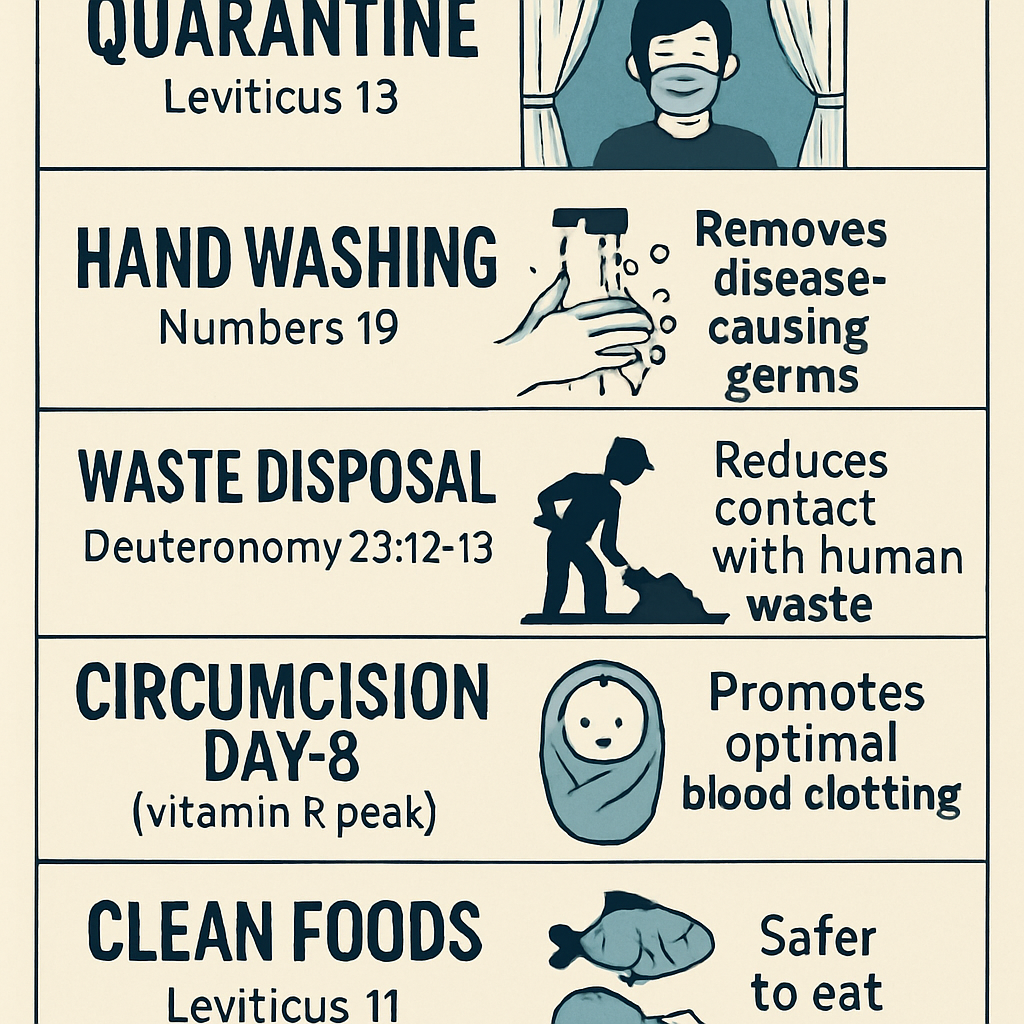
Biblical Health Laws
Yehoshua (יְהוֹשֻׁעַ) is the full form—the standard spelling for Joshua son of Nun. Yeshua (יֵשׁוּעַ) is the shortened/Aramaic-influenced form, common during the Second Temple period (538 BCE – 70 CE).
Archaeological Evidence: Ossuaries (burial bone boxes) from the 1st century found near Jerusalem contain the name "Yeshua" 71 times. Scholar Tal Ilan documents 85 examples of "Yeshua" in inscriptions versus only 15 of "Yehoshua."
The Meaning: "YHWH Saves"
The name breaks down as:
- יְהוֹ (Yeho-) — theophoric element from YHWH
- שׁוּעַ (shua') — "a cry for help/salvation"
Full meaning: "YHWH saves" or "YHWH is salvation"
Matthew 1:21 — "And she shall bring forth a son, and thou shalt call his name YESHUA: for he shall save his people from their sins."
Notice the deliberate wordplay: His name means "YHWH saves," and He will "save" His people. The Hebrew verb יָשַׁע (yasha', "to save") is embedded in His very name!
Connection to Joshua (Numbers 13:16)
Numbers 13:16 — "These are the names of the men which Moses sent to spy out the land. And Moses called Hoshea the son of Nun Yehoshua."
Moses changed Hoshea's name to Yehoshua by adding the first letter of the Tetragrammaton—transforming "Salvation" into "YHWH is salvation." The Talmud interprets this as Moses's prayer: "May Yah save you from the counsel of the spies."
Note on "Yahshua" or "Yahusha": Dr. Michael L. Brown (Ph.D. in Semitic languages) states: "There is absolutely no support for this pronunciation—none at all." The form "Yahshua" is not found in any historical manuscripts, inscriptions, or Dead Sea Scrolls prior to the 1900s. It first appeared in Sacred Name Movement circles in the 1930s.
Key Terms
Yeshua (יֵשׁוּעַ) — H3442 — "YHWH is salvation" — the Messiah's Hebrew name
Yehoshua (יְהוֹשֻׁעַ) — H3091 — Full form, same as "Joshua"
Yasha (יָשַׁע) — H3467 — "to save, deliver, rescue"
Memory Verse — Matthew 1:21
"And she shall bring forth a son, and thou shalt call his name YESHUA: for he shall save his people from their sins."
Discussion Questions
- Why is it significant that the Messiah's name literally means "YHWH is salvation"?
- How does knowing that "Jesus" and "Joshua" are the same name affect your understanding of Scripture?
- Why should we be cautious about accepting modern name reconstructions like "Yahshua" that have no historical attestation?
Lesson 6 From Yeshua to Jesus — The Linguistic Journey
How did "Yeshua" become "Jesus"? The answer involves standard linguistic processes of transliteration across languages—not pagan corruption.
The Evolution of the Name
| Stage |
Form |
Process |
| Hebrew (full) |
יְהוֹשֻׁעַ (Yehoshua) |
Original name |
| Hebrew (short) |
יֵשׁוּעַ (Yeshua) |
Aramaic-period contraction |
| Greek |
Ἰησοῦς (Iēsous) |
Transliteration with Greek phonetic adaptation |
| Latin |
IESVS / Iesus |
Jerome's Vulgate (4th century) |
| English |
Jesus |
Post-17th century (with J/I distinction) |
Why Greek Changed the Sound
Greek had specific linguistic limitations that required adaptation:
- No "sh" sound: Greek lacked the Hebrew shin [ʃ], so it became sigma [s]
- Masculine endings: Greek masculine nouns required case endings (-ους/-ous)
- No final 'a' sound: The Hebrew ending was adapted to Greek patterns
Pre-Christian Evidence: The Septuagint (3rd century BCE) already used Ἰησοῦς for Joshua, establishing this transliteration centuries before Yahusha was born. This proves it was standard Jewish practice, not pagan invention.
When the Letter J Was Invented
The letter J did not exist in ancient times:
- Roman era: I/i served for both vowel and consonant sounds
- 1524: Gian Giorgio Trissino first distinguished I and J as separate sounds
- 1600-1640: J given a distinct consonantal sound in English
- 1611 KJV: Originally printed with "Iesus" (later printings changed to Jesus)
The transition from "Iesus" to "Jesus" was simply the natural development of English spelling conventions, not any theological change.
The Theological Question
Acts 4:12 — "Neither is there salvation in any other: for there is none other name under heaven given among men, whereby we must be saved."
The Greek word ὄνομα (onoma, "name") meant more than syllables in the ancient world—it represented a person's character, authority, identity, and power. Peter's declaration points to the person and authority of the Messiah, not merely phonetic pronunciation.
The meaning matters greatly: "YHWH saves" encapsulates the Gospel. But people in Mexico saying "Hay-soos" (Jesús), Germans saying "Yay-zoos," and Israelis saying "Yeshua" are calling on the same Lord.
Key Terms
Iēsous (Ἰησοῦς) — G2424 — Greek form of Yeshua/Joshua
Transliteration — Converting sounds from one language to another (vs. translation of meaning)
Onoma (ὄνομα) — G3686 — Name, authority, character, identity
Memory Verse — Acts 4:12
"Neither is there salvation in any other: for there is none other name under heaven given among men, whereby we must be saved."
Discussion Questions
- Does knowing the linguistic history of "Jesus" change how you view the name?
- Why is it important that the Septuagint used "Iesous" for Joshua before the Messiah's time?
- Is there a difference between using a translated name versus not knowing the name at all?
Lesson 7 Titles vs. Names — Elohim, Adonai, El Shaddai
Scripture uses both the personal name (YHWH) and various titles to describe the Almighty. Understanding the difference between names and titles helps us appreciate the richness of biblical revelation.
Elohim (אֱלֹהִים) — H430
Meaning: "Mighty Ones" or "Powers." It is the plural form of Eloah (H433). While it usually refers to the One true Creator, the word itself denotes authority, strength, and divine power.
Grammatically Plural: In Hebrew, plural nouns can denote quantity (more than one) or majesty/intensity (greatness). When referring to YHWH, Elohim is a "plural of majesty." The proof: when Elohim refers to YHWH, the verbs usually remain singular.
Genesis 1:1 — "In the beginning Elohim created [singular verb] the heavens and the earth."
El (אֵל) — H410
Meaning: "Mighty One," "Strength," or "Power." The shortened, singular root form. It often appears in compound names:
| Compound Name |
Hebrew |
Meaning |
Reference |
| El Shaddai |
אֵל שַׁדַּי |
God Almighty / All-Sufficient One |
Genesis 17:1 |
| El Elyon |
אֵל עֶלְיוֹן |
God Most High |
Genesis 14:18 |
| El Olam |
אֵל עוֹלָם |
The Everlasting God |
Genesis 21:33 |
| El Roi |
אֵל רֳאִי |
The God Who Sees |
Genesis 16:13 |
Adonai (אֲדֹנָי) — H136
Meaning: "Lord," "Master," or "Sovereign." It emphasizes the relationship of a master to a servant (ownership and authority).
Adonai vs. Adoni:
- Adonai (H136): An emphatic plural used only for God (The Lord)
- Adoni (from H113): "My lord" (singular), used for human masters, kings, or angels
The Difference Between Name and Title
Consider this: "President" is a title; "Abraham Lincoln" is a name. "Doctor" is a title; "John Smith" is a name. Similarly:
- YHWH — The personal, covenant name (like "Abraham Lincoln")
- Elohim, El, Adonai — Titles describing attributes (like "President")
Both are important! Titles reveal what He is (Mighty, Lord, Most High). The name reveals who He is (the self-existent, covenant-keeping One).
Key Terms
Elohim (אֱלֹהִים) — H430 — "Mighty Ones" — plural of majesty for the Creator
El (אֵל) — H410 — "Mighty One" — singular root form
Adonai (אֲדֹנָי) — H136 — "My Lord(s)" — emphatic plural for God only
El Shaddai (אֵל שַׁדַּי) — H410 + H7706 — "God Almighty"
Memory Verse — Genesis 17:1
"And when Abram was ninety years old and nine, YHWH appeared to Abram, and said unto him, I am El Shaddai; walk before me, and be thou perfect."
Discussion Questions
- Why might Yahuah reveal both His personal name AND various titles?
- How does the title "El Shaddai" (All-Sufficient One) relate to Abraham's situation in Genesis 17?
- What is lost when we use only titles and forget the personal name?
Lesson 8 Theophoric Names — Names Containing the Divine Element
Biblical theophoric names embed abbreviated forms of YHWH into personal names, expressing theological meaning. These provide valuable evidence for pronunciation and show how central the divine name was in Israelite culture.
Names Ending in -YAHU/-YAH
| Hebrew |
Transliteration |
English |
Meaning |
| אֵלִיָּהוּ |
Eliyahu |
Elijah |
"My God is YAHU" |
| יְשַׁעְיָהוּ |
Yeshayahu |
Isaiah |
"YAHU is salvation" |
| יִרְמְיָהוּ |
Yirmeyahu |
Jeremiah |
"YAHU will exalt" |
| זְכַרְיָהוּ |
Zekaryahu |
Zechariah |
"YAHU remembers" |
| מַתִּתְיָהוּ |
Mattityahu |
Matthew |
"Gift of YAHU" |
| נְחֶמְיָה |
Nechemyah |
Nehemiah |
"YAHU comforts" |
| עֹבַדְיָהוּ |
Ovadyahu |
Obadiah |
"Servant of YAHU" |
Names Beginning with YEHO-/YO-
| Hebrew (Long) |
Hebrew (Short) |
English |
Meaning |
| יְהוֹשֻׁעַ |
יֵשׁוּעַ |
Joshua/Jesus |
"YHWH is salvation" |
| יְהוֹנָתָן |
יוֹנָתָן |
Jonathan |
"YHWH has given" |
| יְהוֹחָנָן |
יוֹחָנָן |
John |
"YHWH is gracious" |
| יוֹאֵל |
— |
Joel |
"YHWH is God" |
What These Names Reveal
The suffix form -YAHU (יָהוּ) strongly suggests the divine name included "Yahu" as a syllable. Archaeological evidence supports this:
- Murashu documents (5th century BCE, Nippur) — Show names pronounced with "Yahu-"
- Elephantine papyri (5th-4th centuries BCE, Egypt) — Attest to forms YHW (Yahu) and YH (Yah)
- Lachish Letters (6th century BCE) — Contain theophoric names with -yahu
The Hebrew Bible contains approximately 127 names with -YAHU/-YAH suffixes and 29 names with YEHO-/YO- prefixes.
Modern Example: The name "Netanyahu" (נְתַנְיָהוּ) means "Given by YAHU" — the same divine element preserved in a name still used today!
Key Terms
Theophoric — From Greek "god-bearing" — names containing a divine element
-Yahu (יָהוּ) — Suffix form of the divine name in personal names
-Yah (יָה) — Shortened suffix form (as in Halleluyah)
Yeho- (יְהוֹ) — Prefix form of the divine name
Memory Verse — 1 Kings 18:36
"YHWH Elohim of Abraham, Isaac, and of Israel, let it be known this day that thou art Elohim in Israel, and that I am thy servant, and that I have done all these things at thy word."
Discussion Questions
- What does it tell us about Israelite culture that so many names contained the divine name?
- How does the -Yahu suffix evidence affect the pronunciation debate?
- If your name could contain a divine element, what meaning would you want it to have?
Lesson 9 Pagan Origin Claims — Facts vs. Speculation
Some claim that common English terms like "God," "Lord," and "Jesus" have pagan origins and should not be used. This lesson examines these claims against documented linguistic evidence.
Claim #1: "God" Comes from the Pagan Deity "Gad"
The Claim: English "God" derives from the pagan deity "Gad" mentioned in Isaiah 65:11.
Documented Etymology: From Etymonline.com: "Old English god from Proto-Germanic *guthan (source also of Old Saxon, Dutch god, German Gott, Old Norse guð, Gothic guþ)." The Proto-Indo-European root is either *ghut- ("that which is invoked") or *ghu-to- ("poured," referring to libations).
Analysis: Isaiah 65:11's Hebrew גָּד (Gad) was probably the planet Jupiter. However, English "God" traces through Germanic languages (Proto-Germanic *guthan) while Hebrew "Gad" is a Semitic word from a completely different language family. No linguistic pathway exists between them.
Verdict: ❌ Not supported by scholarly evidence. The similarity is coincidental.
Claim #2: "Lord" is Connected to "Ba'al"
The Claim: Using "Lord" is calling on Ba'al because Ba'al means "lord."
Documented Etymology: From Etymonline.com: "Old English hlaford 'master of a household,' a contraction of earlier hlafweard, literally 'one who guards the loaves' from hlaf (loaf/bread) + weard (keeper/guardian)."
Analysis: Hebrew Ba'al (בַּעַל) means "owner, master, lord." English "Lord" means "bread guardian." These developed independently in unrelated language families. Many languages have words for "master"—this doesn't make them all derived from Ba'al.
Verdict: ❌ Not supported. "Lord" has documented English etymology from Old English with no connection to Semitic languages.
Claim #3: "Jesus" Means "Hail Zeus"
The Claim: "Jesus" means "Hail Zeus" or derives from Zeus worship.
Documented Etymology: "Jesus is derived from Iēsous (Ἰησοῦς), the Ancient Greek form of the Hebrew name Yeshua (ישוע)."
Etymology of Zeus: From PIE *dyḗws ("sky, heaven") from root *dyew- ("to shine").
| Name |
Greek |
Pronunciation |
| Jesus |
Ἰησοῦς |
ee-ay-SOOS |
| Zeus |
Ζεύς |
ZEFS (with strong 'f') |
Pre-Christian Evidence: Ἰησοῦς was used for Joshua in the Septuagint 200+ years before the Messiah—by Jewish translators for the Jewish community.
Verdict: ❌ Completely unsupported. Dr. Michael Brown states: "You might as well argue that Tiger Woods is the name of a tiger-infested jungle in India as try to connect Jesus to Zeus."
The Danger of False Etymology: These claims discredit legitimate concerns about the sacred names, rely on English phonetics to judge ancient languages, ignore language families, and create unnecessary stumbling blocks for faith.
Key Terms
Etymology — The study of word origins and historical development
Folk Etymology — False word origin based on superficial similarity, not linguistic evidence
Language Family — Group of languages descended from common ancestor (e.g., Semitic, Germanic)
Memory Verse — Proverbs 18:15
"The heart of the prudent getteth knowledge; and the ear of the wise seeketh knowledge."
Discussion Questions
- Why is it important to verify claims about word origins before accepting them?
- How can false etymology actually harm the cause of restoring the sacred names?
- What is the difference between having concerns about name substitution and making unsupported claims?
Lesson 10 Practical Application — Using the Sacred Names
Having studied the evidence, how should we apply this knowledge? This final lesson addresses practical questions and provides balanced guidance for honoring the sacred names in daily life.
What the Evidence Supports
Claims with legitimate scholarly support:
- ✅ YHWH pronunciation was likely "Yahweh" (scholarly consensus) or possibly "Yahuah" (theophoric evidence)
- ✅ "Yeshua" was the Messiah's original Hebrew name
- ✅ Greek-speaking Jews used Iesous and Kyrios
- ✅ The divine name was important in Scripture (6,828 occurrences)
- ✅ Substitution began in the 3rd century BCE and expanded over time
Claims NOT supported by evidence:
- ❌ "God" comes from Hebrew "Gad"
- ❌ "Lord" is connected to "Ba'al"
- ❌ "Jesus" means "Hail Zeus"
- ❌ Calling on "Jesus" is calling on a pagan deity
A Balanced Approach
Consider these principles:
1. The meaning matters greatly. "YHWH" reveals the self-existent, covenant-keeping Elohim. "Yeshua" means "YHWH is salvation." Understanding these meanings enriches our faith.
2. Using the Hebrew names is valuable. It connects us to the original revelation, honors Scripture's emphasis on the name, and recovers what was lost through substitution.
3. Grace toward others is essential. The apostles used Greek terms. Believers worldwide call on the Messiah in their languages. A Mexican believer saying "Jesús" and an Israeli believer saying "Yeshua" are calling on the same Lord.
4. Avoid unnecessary division. Some make the name issue a test of salvation or fellowship. Scripture does not support this extreme. Romans 10:13 quotes Joel 2:32: "Whosoever shall call upon the name of the Lord shall be saved" — using the Greek word Kyrios.
Practical Suggestions
- In personal devotion: Use the Hebrew names to deepen your understanding and connection
- In teaching: Educate about the names without condemning those who use English terms
- In conversation: Be ready to explain why you use the names, without being argumentative
- In community: Respect that believers may be at different places in their understanding
- In research: Verify claims before repeating them; distinguish fact from speculation
Zechariah 14:9 — "And YHWH shall be king over all the earth: in that day shall there be one YHWH, and his name one."
The Talmud (Pesachim 50a) interprets this: "In this world, the Name is written one way yet pronounced another way, but in the World to Come, the Name will be pronounced the way that it is written." A day is coming when all confusion will end!
Key Terms
Echad (אֶחָד) — H259 — "One, united" — His name will be one
Olam (עוֹלָם) — H5769 — "Forever, eternity" — the name is forever
Memory Verse — Zechariah 14:9
"And YHWH shall be king over all the earth: in that day shall there be one YHWH, and his name one."
Discussion Questions
- How will you personally apply what you've learned about the sacred names?
- How can we share this knowledge without creating unnecessary division?
- What does it mean to you that one day "His name shall be one"?
ANSWER KEY
Lesson 1
- 6,828
- shem (שֵׁם)
- LORD
- four letters
- generations
Lesson 2
- four
- Waw (or Vav)
- be (or exist)
- AM, AM
- existence
Lesson 3
- nikkudot
- no
- yahu
- Yahweh
- hybrid
Lesson 4
- 3rd (third)
- Adonai
- HaShem
- Kyrios (κύριος)
- forget
Lesson 5
- Yeshua
- Joshua
- save (or deliver)
- 71
- Hoshea
Lesson 6
- Ἰησοῦς (Iēsous)
- sh
- centuries (or 200+ years)
- 16th (or 1500s)
- Iesus
Lesson 7
- Elohim
- Almighty
- Adonai
- name
- High
Lesson 8
- YAHU
- YAHU
- 127
- Given
- theophoric
Lesson 9
- guthan
- loaves (or bread)
- Zeus
- 200+
- folk
Lesson 10
- salvation
- Greek
- Kyrios
- one
- facts (or evidence/scholarship)
Course Complete!
Truth Carriers Education System
"That men may know that thou, whose name alone is YHWH, art the most high over all the earth." — Psalm 83:18