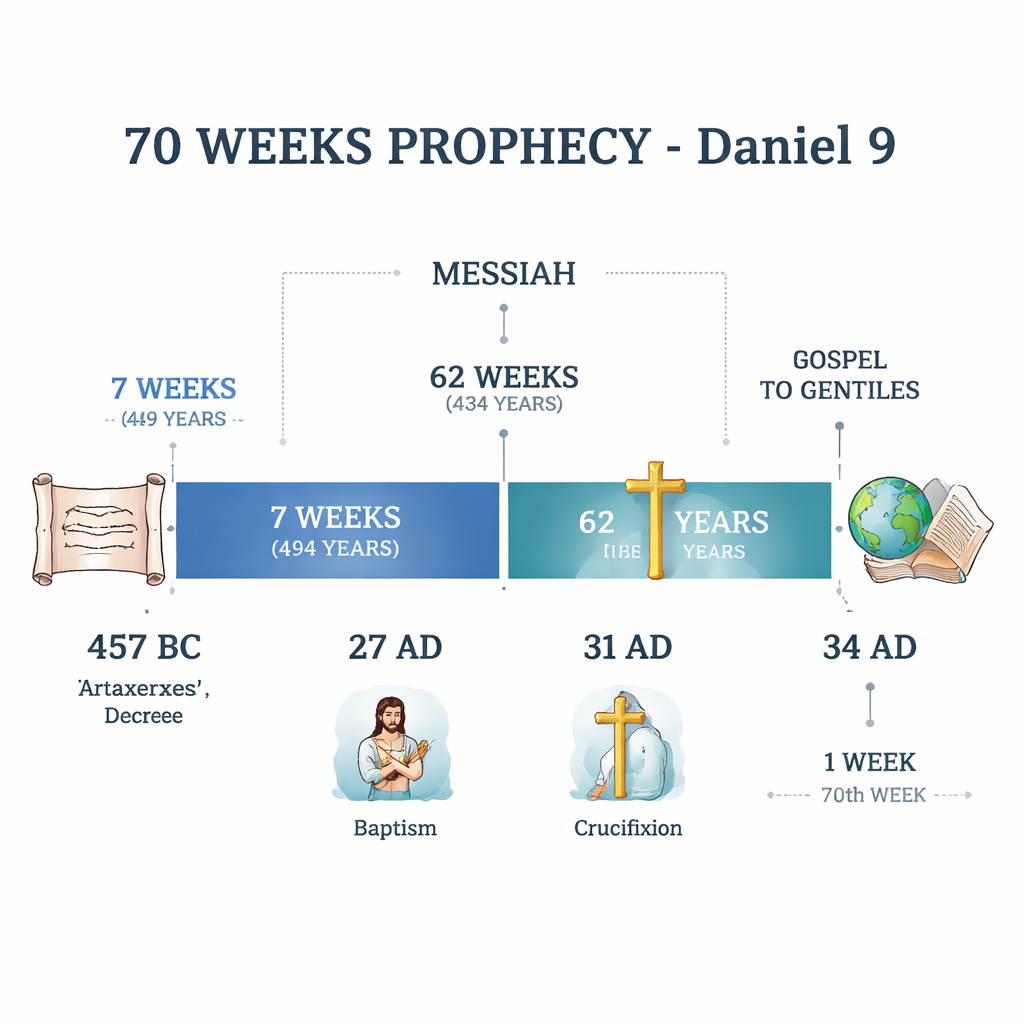
THE APPOINTED TIMES
A Comprehensive Study of the Biblical Feasts (Moedim)
TRUTH CARRIERS EDUCATION SYSTEM
Torah Foundations Series
HOW TO USE THIS WORKBOOK
The Truth Carriers Learning Method — 6 Rs
This workbook uses the 6 Rs Learning Method designed for deep understanding and long-term retention. Each lesson includes all six components:
1. RECEIVE
Read the teaching content carefully. Take notes. Look up Scripture references.
2. REFLECT
Complete fill-in-blanks, multiple choice, true/false, and discussion questions.
3. RECALL
Close the book and write everything you remember. Check what you missed.
4. RECITE
Teach what you learned to someone else. Teaching deepens understanding.
5. REVIEW
Use the spaced review tracker. Review at Day 1, 3, 7, 21, and 60.
6. RESPOND
Apply what you learned. Do something with this knowledge this week.
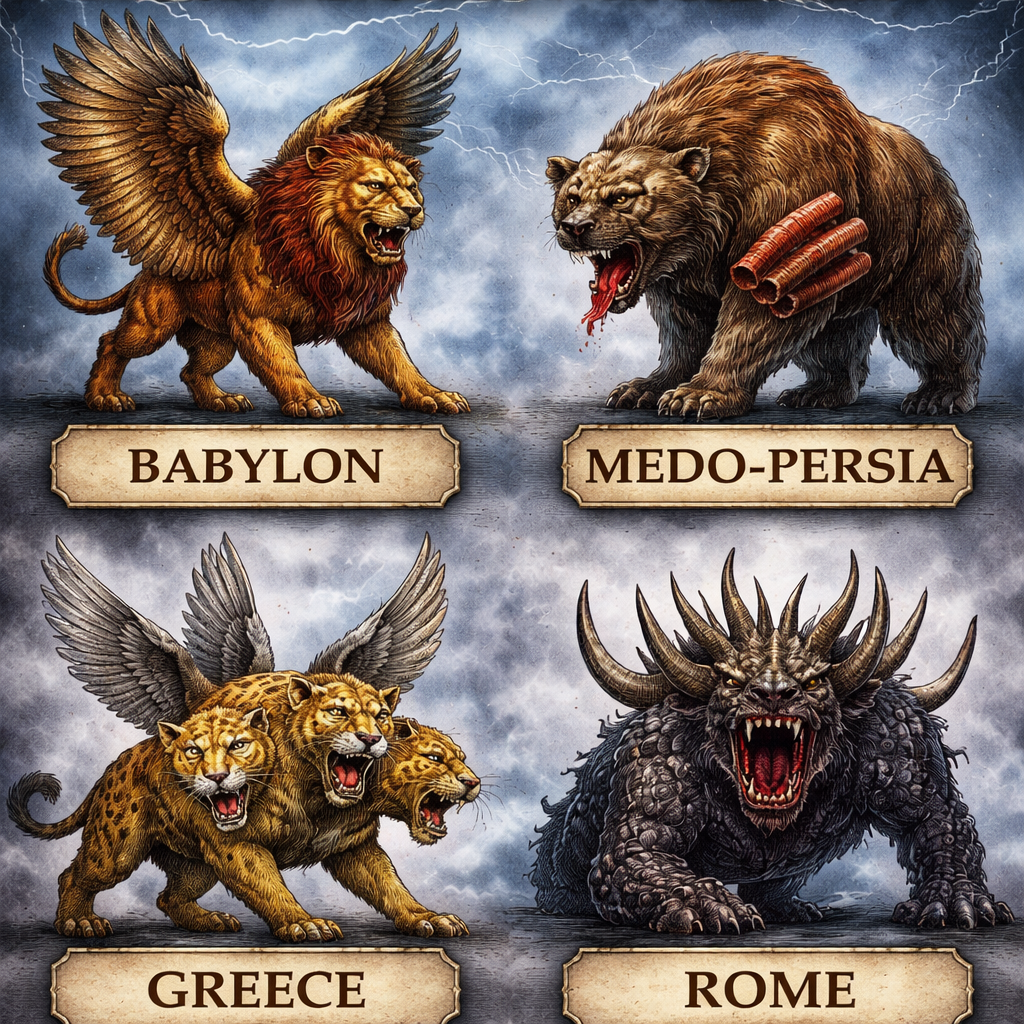
Daniel 7 Four Beasts
For Best Results:
- Complete one lesson per sitting, or break into smaller segments
- Look up every Scripture reference in your own Bible
- Don't skip the teach-back challenge — teaching is the highest form of learning
- Use the spaced review tracker faithfully
- Write your insights and questions in the margins
ABOUT THIS WORKBOOK
The Biblical Feasts are not merely "Jewish holidays" or optional religious traditions. They are divine appointments (moed - appointed times) that Yahuah Himself established for all His people. Leviticus 23:2 makes this clear: "The feasts of Yahuah, which you shall proclaim to be holy convocations, these are My feasts."
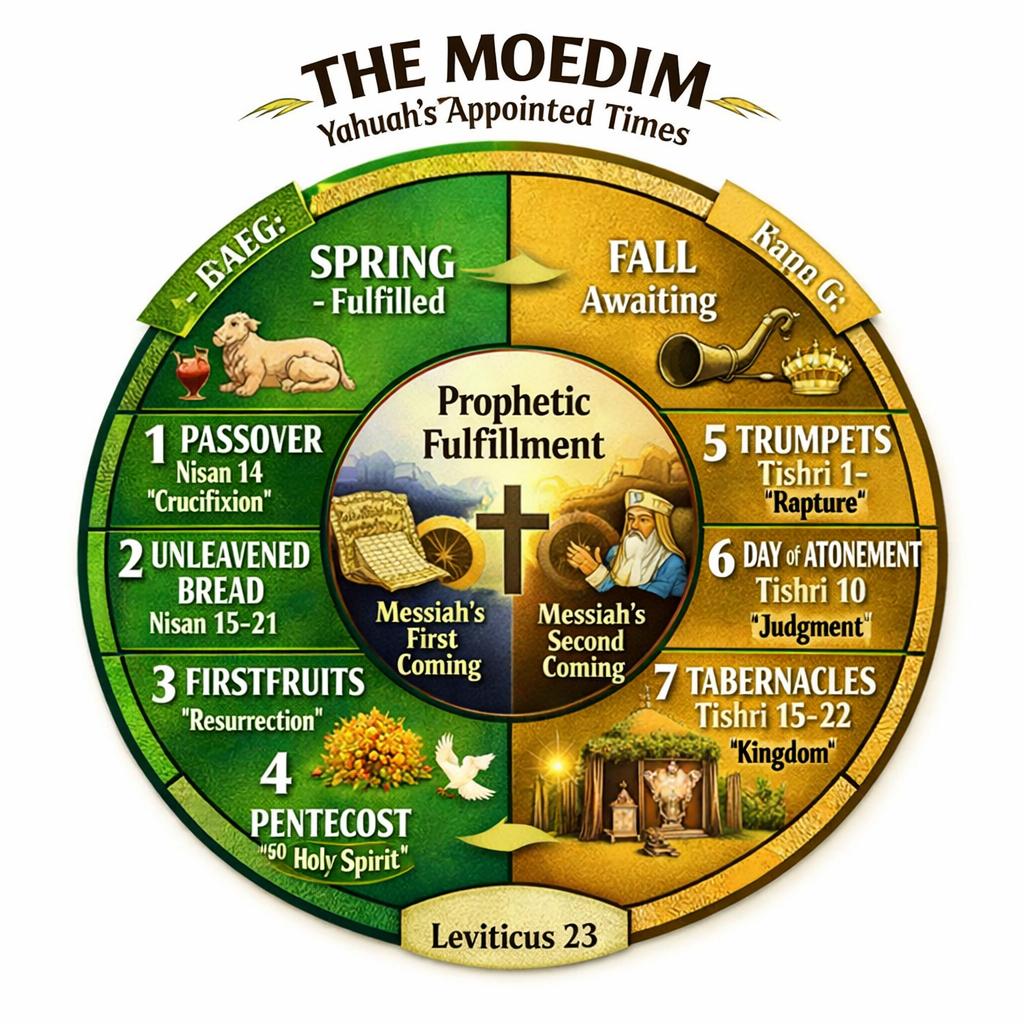
The Moedim: Yahuah's Appointed Times Throughout the Year
These appointed times serve three powerful purposes:
- MEMORIAL - They teach the story of redemption from Egypt to eternity
- PROPHETIC - They are rehearsals (mikra) for events in Yahuah's redemptive plan
- COVENANT - They are the marriage calendar between Yahuah and His bride
What You Will Learn:
- The Hebrew meanings and biblical instructions for each feast
- How Yahusha fulfilled the Spring Feasts to the exact day
- The prophetic significance of the Fall Feasts still awaiting fulfillment
- Practical ways your family can observe these appointments today
- Why these are "Feasts of Yahuah" for ALL believers, not just ethnic Jews
Audience: Teens and adults seeking to understand and observe Yahuah's appointed times
Study Time: 10-12 weeks (one lesson per week with discussion)
TABLE OF CONTENTS
- LESSON 1: Overview of the Feasts - Leviticus 23 and the Divine Calendar
- LESSON 2: Passover (Pesach) - The Blood on the Doorpost
- LESSON 3: Unleavened Bread - Removing the Leaven of Sin
- LESSON 4: Firstfruits (Bikkurim) - The Wave Sheaf and Resurrection
- LESSON 5: Pentecost (Shavuot) - From Sinai to Acts 2
- LESSON 6: Trumpets (Yom Teruah) - The Awakening Blast
- LESSON 7: Atonement (Yom Kippur) - The High Priest and Two Goats
- LESSON 8: Tabernacles (Sukkot) - Dwelling with Elohim
- LESSON 9: The Prophetic Timeline - Spring Fulfilled, Fall Awaiting
- LESSON 10: Practical Family Observance - Making It Real Today
KEY HEBREW TERMS
| Hebrew Term | Pronunciation | Meaning |
|---|
| Moed (מועד) | moh-EHD | Appointed time, divine appointment |
| Mikra (מקרא) | mee-KRAH | Convocation, rehearsal, called assembly |
| Pesach (פסח) | PEH-sakh | Passover (to pass over, skip over) |
| Chag HaMatzot | khahg hah-mah-TZOHT | Feast of Unleavened Bread |
| Bikkurim (בכורים) | bee-koo-REEM | Firstfruits |
| Shavuot (שבועות) | shah-voo-OHT | Weeks (Pentecost = 50th day) |
| Yom Teruah (יום תרועה) | yohm teh-roo-AH | Day of Shouting/Trumpets |
| Yom Kippur (יום כפור) | yohm kee-POOR | Day of Atonement/Covering |
| Sukkot (סכות) | soo-KOHT | Tabernacles, booths, shelters |
| Omer (עמר) | OH-mer | Sheaf of grain (counting period) |
Scripture Reading
Leviticus 23:1-4
Core Teaching
The Divine Calendar
Leviticus 23 lays out Yahuah's appointment calendar for the entire year:
- The Weekly Sabbath (v. 3) - The foundation of all feasts
- Spring Feasts (vv. 4-22):
- Passover (14th Aviv)
- Unleavened Bread (15th-21st Aviv)
- Firstfruits (morrow after Sabbath during Unleavened Bread)
- Shavuot/Pentecost (50 days from Firstfruits)
- Fall Feasts (vv. 23-44):
- Yom Teruah/Trumpets (1st of 7th month)
- Yom Kippur/Atonement (10th of 7th month)
- Sukkot/Tabernacles (15th-21st of 7th month)
- Shemini Atzeret (22nd of 7th month - the Eighth Day)
Hebrew Word Study: "Moed"
Strong's H4150 - Moed (מועד)
Meaning: An appointed time, a fixed meeting, a signal, an assembly
Key Insight: These are NOT holidays in the modern sense (vacations or days off). They are divine appointments - specific times when Yahuah has scheduled a meeting with His people.
Analogy: If the King of the Universe sent you a written invitation saying, "Meet me at this time and place," would you ignore it? That's what a moed is.
"Mikra" - The Rehearsal Concept
Strong's H4744 - Mikra (מקרא)
Root: Kara - to call out, to proclaim
Meaning: A called assembly, a convocation, a rehearsal
Prophetic Significance: These feasts are not just commemorations of past events. They are REHEARSALS for future prophetic fulfillments. We practice them now so we recognize them when they happen.
"Jewish Feasts" or "Feasts of Yahuah"?
Leviticus 23:2 - "Speak to the children of Israel, and say to them: 'The feasts of Yahuah, which you shall proclaim to be holy convocations, these are My feasts.'"
Critical Point: These feasts do NOT belong to an ethnicity (the Jews). They belong to Yahuah.
Romans 11 Application: Gentile believers are "grafted in" to the olive tree of Israel. We are adopted into the family. Therefore, we share in the family's appointed times.
The Agricultural Cycle
The feasts follow the harvest seasons in the Land of Israel:
| Season | Crop | Feast |
|---|
| Early Spring | Barley (first grain to ripen) | Passover, Firstfruits |
| Late Spring | Wheat (main bread grain) | Shavuot |
| Early Fall | Grapes, figs, pomegranates, olives | Sukkot (final ingathering) |
Spiritual Application: The feasts map to the "harvest of souls" - from the firstfruits at Pentecost to the final harvest at the end of the age.
Three Pilgrimage Feasts
Exodus 23:14-17 - Three times each year, all males were commanded to "appear before Yahuah" at the Tabernacle (later the Temple).
- Chag HaMatzot (Unleavened Bread)
- Chag Shavuot (Weeks/Pentecost)
- Chag Sukkot (Tabernacles)
Multiple Choice
1. What does the Hebrew word "moed" literally mean?
○ A) Holiday or vacation
○ B) Appointed time or divine appointment
○ C) Jewish celebration
○ D) Religious ceremony
2. According to Leviticus 23:2, whose feasts are these?
○ A) The feasts of Israel
○ B) The feasts of the Jews
○ C) The feasts of Yahuah
○ D) The feasts of Moses
3. How many annual feasts are outlined in Leviticus 23?
○ A) Three
○ B) Five
○ C) Seven
○ D) Ten
Discussion Questions
1. Why do you think Yahuah tied His appointed times to the agricultural cycle? What spiritual lessons can we learn from planting, growing, and harvesting?
2. If these are "rehearsals," what are we rehearsing for? How does understanding the prophetic nature of the feasts change how we observe them?
3. What does it mean that these are divine "appointments"? How should that affect our attitude toward keeping them versus viewing them as optional traditions?
4. Romans 11 says Gentile believers are "grafted in" to Israel. What does that mean for our relationship to the Torah and the Feasts?

Daniel 7 Beasts Detailed
Scripture Reading
Exodus 12:1-14
Core Teaching
The Original Instructions
Date: 14th day of the first month (Aviv/Nisan)
The Lamb:
- Selected on the 10th day of the month
- Kept until the 14th day
- Male of the first year
- Without blemish (tamim - perfect, whole, complete)
- Slaughtered "between the evenings" (ben ha'arbayim)
The Blood:
- Applied to the doorposts and lintel with hyssop
- A sign of faith that caused the Destroyer to "pass over"
The Meal:
- Roasted lamb (not boiled or raw)
- Bitter herbs (maror) - reminder of slavery's bitterness
- Unleavened bread (matzah) - bread of affliction, made in haste
The Lamb Must Be Without Blemish
Exodus 12:5 - "Your lamb shall be without blemish, a male of the first year."
Hebrew Word: Tamim (תמים) - Strong's H8549
- Perfect, complete, whole, without defect
- Used to describe sacrificial animals
- Used to describe Noah ("Noah was a just man, perfect/tamim in his generations")
Inspection Period: The lamb was kept from the 10th to the 14th - four days of examination to ensure it had no defects.
Prophetic Fulfillment in Yahusha
John 1:29 - "Behold! The Lamb of Elohim who takes away the sin of the world!"
1 Corinthians 5:7 - "For indeed Messiah, our Passover, was sacrificed for us."
| Exodus 12 Instruction | Yahusha's Fulfillment |
|---|
| Lamb selected 10th Aviv | Triumphal Entry (10th Nisan) - presented to Israel |
| Examined 4 days for defects | Questioned by Pharisees, Sadducees, Herodians, Pilate for 4 days |
| Found without blemish | Pilate: "I find no fault in Him" (John 18:38, 19:4, 19:6) |
| Slain 14th Aviv at twilight | Crucified 14th Nisan, died at "ninth hour" (~3 PM) |
| Blood on doorposts saves | Blood of Messiah saves from death |
| No bones broken (Ex 12:46) | "Not one of His bones shall be broken" (John 19:36) |
The Timing: Yahusha died at the exact moment the Passover lambs were being slaughtered in the Temple - approximately 3:00 PM on the 14th of Nisan.
The Blood Applied
Exodus 12:13 - "Now the blood shall be a sign for you on the houses where you are. And when I see the blood, I will pass over you."
Key Principle: The blood had to be applied. It wasn't enough for the lamb to be slain - the blood had to be put on the doorposts.
Spiritual Application: It's not enough to intellectually know about Yahusha's sacrifice. We must personally apply His blood to our lives through faith and repentance.
Multiple Choice
1. How many days was the Passover lamb examined before being slaughtered?
○ A) One day
○ B) Three days
○ C) Four days
○ D) Seven days
2. What did applying blood to the doorposts signify?
○ A) A cultural tradition
○ B) An act of faith that brought protection
○ C) A pagan ritual adopted by Israel
○ D) An optional decoration
3. At what time did Yahusha die, coinciding with the Temple Passover sacrifices?
○ A) The sixth hour (noon)
○ B) The ninth hour (~3 PM)
○ C) Sunset
○ D) Midnight
Discussion Questions
1. Why do you think Yahuah required the lamb to be kept and examined for four days before being slain? What does this teach us about the Messiah?
2. The blood had to be applied to be effective. What does this teach us about personal faith versus just knowing about Yahusha's sacrifice?
3. What is significant about the fact that Yahusha died at the exact moment the Passover lambs were being slaughtered? Was this coincidence or divine timing?
4. How does understanding Passover deepen your appreciation for what Yahusha accomplished on the execution stake?
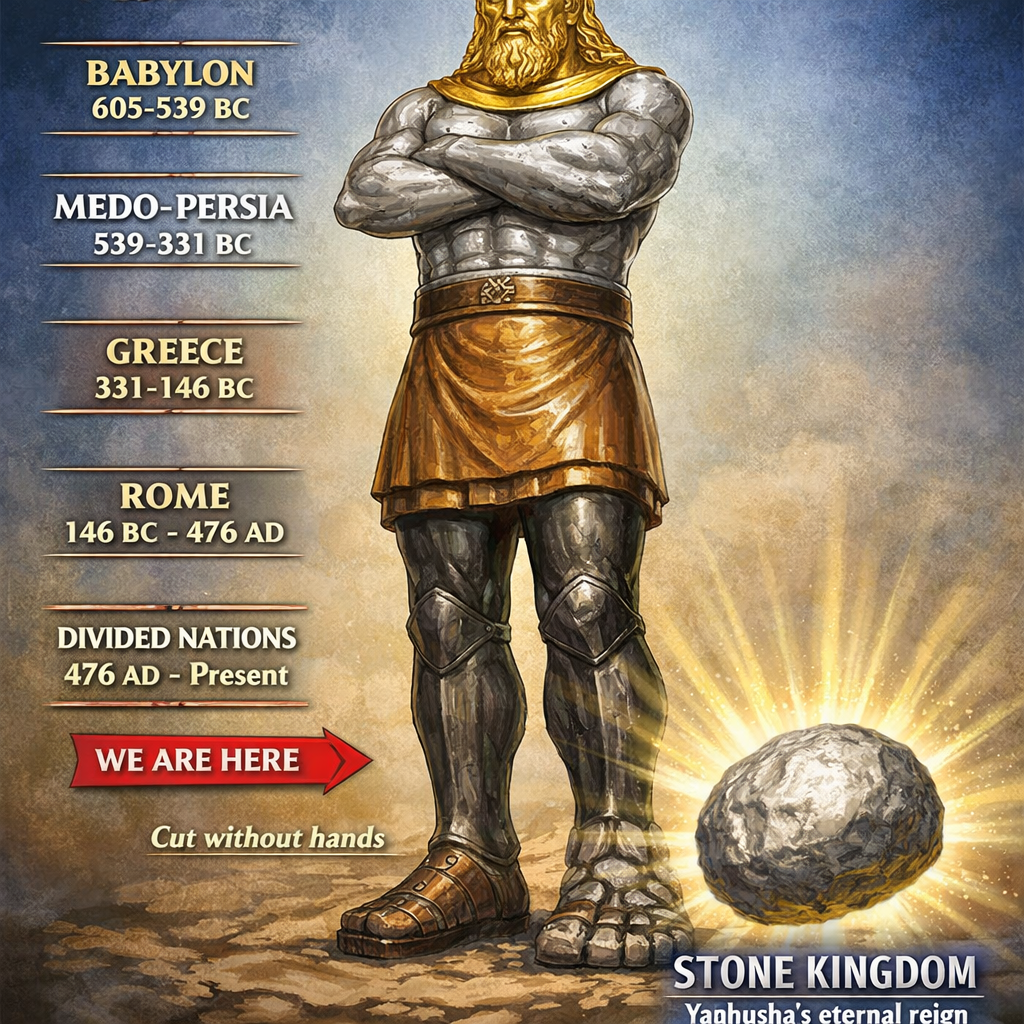
Daniel 2 Statue Detailed
Scripture Reading
Leviticus 23:6-8
Core Teaching
The Biblical Instructions
Date: 15th-21st of Aviv (seven days immediately following Passover)
Command:
- Eat unleavened bread for seven days
- Remove ALL leaven (chametz) from your dwelling
- The first and seventh days are High Sabbaths (no work except food prep)
Leviticus 23:6-7 - "And on the fifteenth day of the same month is the Feast of Unleavened Bread to Yahuah; seven days you must eat unleavened bread. On the first day you shall have a holy convocation; you shall do no customary work on it."
What Is Leaven?
Hebrew Terms:
- Seor (שאר) - leaven, the starter culture
- Chametz (חמץ) - leavened products, anything that has risen
Physical Definition: Leaven is a fermentation agent (yeast, sourdough starter, baking powder, baking soda) that causes dough to rise and expand.
What Leaven Represents in Scripture
Leaven is almost universally a symbol of sin, pride, corruption, and false teaching.
Matthew 16:6, 11-12 - "Beware of the leaven of the Pharisees and the Sadducees... He did not tell them to beware of the leaven of bread, but of the doctrine of the Pharisees."
1 Corinthians 5:6-8 - "Do you not know that a little leaven leavens the whole lump? Therefore purge out the old leaven... not with old leaven, nor with the leaven of malice and wickedness, but with the unleavened bread of sincerity and truth."
Why Leaven Symbolizes Sin:
- It puffs up (pride)
- It spreads throughout the whole lump (sin corrupts)
- It changes the nature of the dough (sin transforms us)
- It works hidden and unseen (secret sin)
The Matzah and Messiah
Physical Characteristics of Unleavened Bread:
- Striped (from the ridges in the baking process)
- Pierced (holes poked to prevent rising)
- Without leaven (no sin)
Prophetic Picture:
- Isaiah 53:5 - "He was wounded [pierced] for our transgressions... by His stripes we are healed"
- 2 Corinthians 5:21 - "He made Him who knew no sin to be sin for us"
The Burial of Messiah
Timeline:
- 14th Nisan (Passover): Yahusha died at 3 PM
- Before sunset (beginning of 15th): Yahusha was buried
- 15th Nisan (First Day of Unleavened Bread): Yahusha's body rested in the tomb - this was a High Sabbath
John 19:31 - "Therefore, because it was the Preparation Day, that the bodies should not remain on the cross on the Sabbath (for that Sabbath was a high day), they asked Pilate that their legs might be broken."
Multiple Choice
1. What does leaven primarily represent in Scripture?
○ A) Blessings and abundance
○ B) Sin, pride, and false teaching
○ C) Health and prosperity
○ D) Nothing symbolic at all
2. Why is matzah (unleavened bread) striped and pierced?
○ A) To make it bake faster
○ B) It pictures Messiah who was striped (beaten) and pierced
○ C) It is purely decorative
○ D) To make it easier to break
3. What happened on the 15th of Nisan (First Day of Unleavened Bread)?
○ A) Yahusha was crucified
○ B) Yahusha was resurrected
○ C) Yahusha's body rested in the tomb (High Sabbath)
○ D) Yahusha entered Jerusalem
Discussion Questions
1. Why do you think Yahuah chose leaven to symbolize sin? What are the similarities between how leaven works and how sin works in our lives?
2. How can your family turn "de-leavening" the house into a meaningful spiritual exercise? What heart attitudes should you have while cleaning?
3. First Corinthians 5:8 says "let us keep the feast... with the unleavened bread of sincerity and truth." How do we keep the feast spiritually, not just physically?
4. What does it mean that Yahusha had "no leaven" (no sin) in Him? How does this qualify Him to be our sacrifice?
Scripture Reading
Leviticus 23:9-14
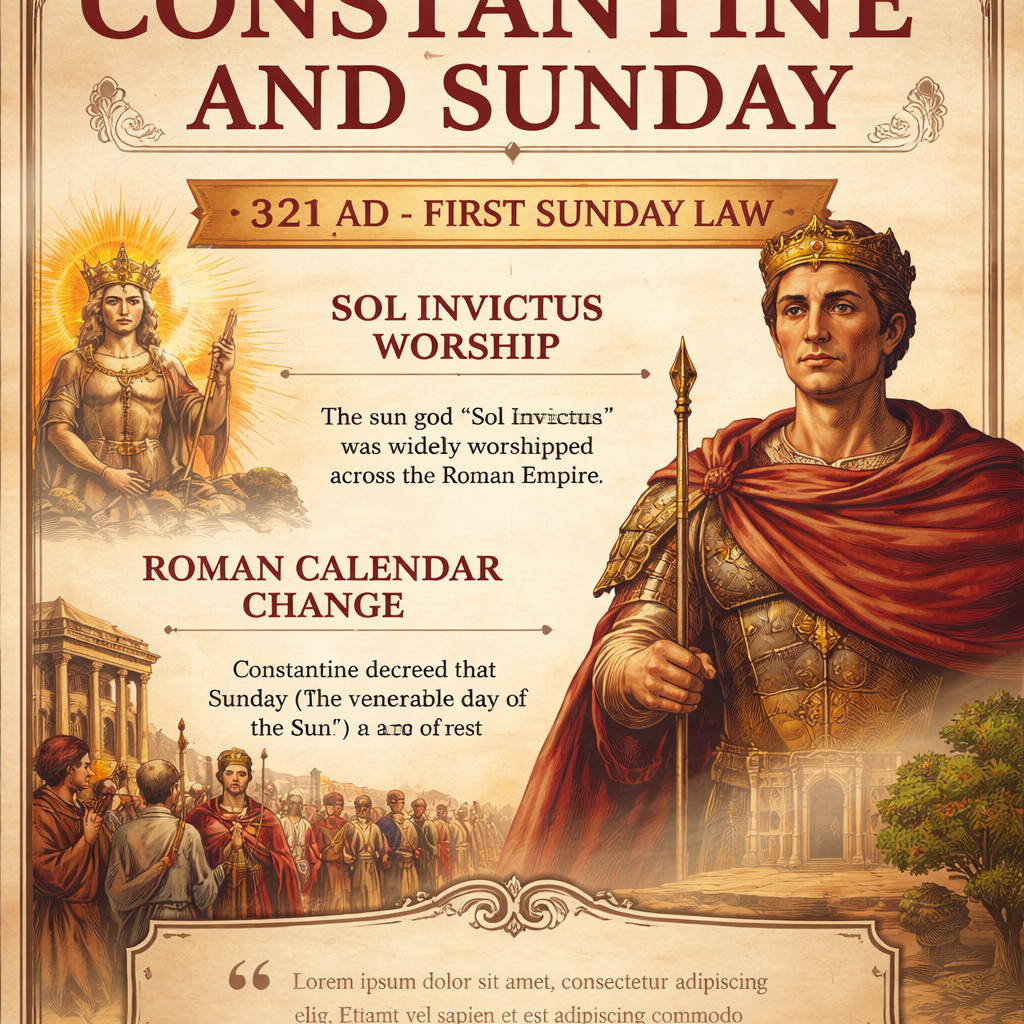
Core Teaching
The Biblical Instructions
Command: The priest shall wave a sheaf (omer) of the firstfruits of the barley harvest before Yahuah.
Timing: "On the morrow after the Sabbath" during Passover/Unleavened Bread week
The Offering:
- A sheaf (omer) of barley
- Waved before Yahuah by the priest
- Accompanied by a burnt offering (lamb) and grain offering
Key Principle: The harvest could NOT be eaten until the firstfruits were presented to Yahuah.
Leviticus 23:14 - "You shall eat neither bread nor parched grain nor fresh grain until the same day that you have brought an offering to your Elohim."
Prophetic Fulfillment: Yahusha's Resurrection
1 Corinthians 15:20, 23 - "But now Messiah is risen from the dead, and has become the firstfruits of those who have fallen asleep... But each one in his own order: Messiah the firstfruits, afterward those who are Messiah's at His coming."
The Timeline:
- Friday (14th Nisan): Yahusha died at 3 PM (Passover)
- Friday evening (15th begins): Yahusha buried (First Day of Unleavened Bread - High Sabbath)
- Saturday (weekly Sabbath): Yahusha rested in the tomb
- Sunday morning (morrow after the Sabbath): Yahusha rose (Firstfruits)
Fulfillment: Yahusha rose on the exact day the priest was waving the firstfruits sheaf in the Temple!
The Harvest of Souls
Yahusha is the FIRST to rise in a glorified, immortal body:
- Lazarus was raised, but died again
- The widow's son was raised, but died again
- Yahusha is the FIRST of the resurrection harvest
James 1:18 - "Of His own will He brought us forth by the word of truth, that we might be a kind of firstfruits of His creatures."
Romans 8:23 - "We also who have the firstfruits of the Spirit... eagerly waiting for... the redemption of our body."
Multiple Choice
1. What grain was waved on Firstfruits?
○ A) Wheat
○ B) Oats
○ C) Barley
○ D) Rye
2. On what day did Yahusha rise from the dead?
○ A) Friday
○ B) Saturday (Sabbath)
○ C) Sunday (first day of the week)
○ D) Monday
3. What does "firstfruits" promise for believers?
○ A) We will never die
○ B) We will also be resurrected
○ C) We will be rich
○ D) Nothing in particular
Discussion Questions
1. Why do you think Yahuah required the firstfruits to be presented BEFORE the people could enjoy the harvest? What does this teach about priorities and honoring Elohim?
2. What is the significance of Yahusha rising on the exact day the priest was waving the firstfruits sheaf in the Temple?
3. First Corinthians 15:20 calls Yahusha "the firstfruits of those who have fallen asleep." What does this promise for believers who have died?
4. James 1:18 says we are "firstfruits of His creatures." In what sense are believers firstfruits? What does this mean for the rest of creation?
Scripture Reading
Leviticus 23:15-21
Core Teaching
The Biblical Instructions
Name Meanings:
- Shavuot (Hebrew: שבועות) = "Weeks"
- Pentecost (Greek: Πεντηκοστή) = "Fiftieth"
Timing: Count 50 days from Firstfruits
Leviticus 23:15-16 - "And you shall count for yourselves from the day after the Sabbath, from the day that you brought the sheaf of the wave offering: seven Sabbaths shall be completed. Count fifty days to the day after the seventh Sabbath; then you shall offer a new grain offering to Yahuah."
Biblical Health Laws
The Offering:
- Two leavened loaves of wheat bread
- Wave offering before Yahuah
- Accompanied by burnt offerings and peace offerings
The Two Leavened Loaves - A Mystery
The Contrast: Unlike Passover and Unleavened Bread (NO leaven), Shavuot requires two loaves BAKED WITH LEAVEN.
Leviticus 23:17 - "You shall bring from your dwellings two wave loaves of two-tenths of an ephah. They shall be of fine flour; they shall be baked with leaven."
Why Two Leavened Loaves?
Interpretation: The TWO loaves represent Jewish believers and Gentile believers:
- They are LEAVENED because both still have a sin nature
- They are PRESENTED TOGETHER as "one new man" (Ephesians 2:14-15)
- They are ACCEPTED because of the sin offering presented with them
The Torah at Sinai
Jewish tradition holds that the Torah was given at Mount Sinai on Shavuot (50 days after leaving Egypt).
Exodus 19:16-18 - "Then it came to pass on the third day, in the morning, that there were thunderings and lightnings, and a thick cloud on the mountain; and the sound of the trumpet was very loud, so that all the people who were in the camp trembled."
Acts 2 - The Spirit Poured Out
The Timing: Acts 2 occurred on Shavuot/Pentecost - 50 days after Yahusha's resurrection (Firstfruits).
Acts 2:1-4 - "When the Day of Pentecost had fully come, they were all with one accord in one place. And suddenly there came a sound from heaven, as of a rushing mighty wind... Then there appeared to them divided tongues, as of fire, and one sat upon each of them."
| Sinai (Exodus 19-20) | Pentecost (Acts 2) |
|---|
| Sound of trumpet | Sound of rushing wind |
| Fire on the mountain | Tongues of fire on each person |
| Law written on stone tablets | Law written on hearts (Jeremiah 31:33) |
| 3,000 died for idolatry (Ex 32:28) | 3,000 saved and baptized (Acts 2:41) |
| Torah given to Israel | Spirit given to believers |
| External law | Internal transformation |
The Irony: At Sinai, 3,000 died. At Pentecost, 3,000 were saved!
2 Corinthians 3:6 - "The letter kills, but the Spirit gives life."
Multiple Choice
1. Why are the Shavuot loaves baked WITH leaven (unlike Passover)?
○ A) Because leaven tastes better
○ B) Because they represent believers who still have a sin nature
○ C) Because there's no symbolic meaning
○ D) Because Moses commanded it
2. What major event occurred at Sinai that parallels Pentecost?
○ A) The flood
○ B) The giving of the Torah
○ C) The dedication of the Temple
○ D) The crossing of the Red Sea
3. What is the significance of 3,000 dying at Sinai and 3,000 being saved at Pentecost?
○ A) It was coincidence
○ B) The letter kills, but the Spirit gives life
○ C) Nothing significant
○ D) Both events were punishments
Discussion Questions
1. Why do you think Yahuah chose the SAME day to give the external law (Sinai) and the internal Spirit (Pentecost)? What is He teaching us?
2. What is the significance of 3,000 dying at Sinai and 3,000 being saved at Pentecost? How does this illustrate "the letter kills, but the Spirit gives life"?
3. The two leavened loaves are presented together as one offering. How does this picture the "one new man" of Ephesians 2:14-15 (Jew and Gentile united in Messiah)?
4. How does the Spirit writing the law on our hearts change our relationship to Torah? Does the Spirit abolish the law or empower us to keep it?
Scripture Reading
Leviticus 23:23-25
Core Teaching
The Biblical Instructions
Date: First day of the seventh month
Command: A memorial of blowing of trumpets (zichron teruah)
Leviticus 23:24 - "Speak to the children of Israel, saying: 'In the seventh month, on the first day of the month, you shall have a sabbath-rest, a memorial of blowing of trumpets, a holy convocation.'"
Biblical Feasts Annual Cycle
Hebrew Word Study: "Teruah"
Strong's H8643 - Teruah (תרועה)
Meanings:
- A shout, a battle cry
- An alarm, a signal blast
- A loud, sustained blast on the shofar (ram's horn)
Key Insight: Teruah is NOT a passive, gentle sound. It is a loud, awakening alarm - like a fire siren or battle trumpet.
"Yom Teruah" vs. "Rosh Hashanah"
What Scripture Calls It: Yom Teruah (Day of Shouting/Trumpets)
What Judaism Calls It: Rosh Hashanah (Head of the Year - Civil New Year)
The Difference:
- Biblical New Year: First month (Aviv/Nisan) in the spring (Exodus 12:2)
- Civil New Year: Seventh month (Tishri) in the fall (Jewish tradition)
Prophetic Fulfillment: The Return of Messiah
Yom Teruah is one of the Fall Feasts - NOT YET FULFILLED.
1 Thessalonians 4:16-17 - "For the Master Himself will descend from heaven with a shout, with the voice of an archangel, and with the trumpet of Elohim. And the dead in Messiah will rise first."
1 Corinthians 15:51-52 - "Behold, I tell you a mystery... at the last trumpet. For the trumpet will sound, and the dead will be raised incorruptible."
Multiple Choice
1. What is the biblical name for this feast?
○ A) Rosh Hashanah
○ B) Yom Teruah
○ C) Sukkot
○ D) Shavuot
2. According to 1 Thessalonians 4:16, how will Yahusha return?
○ A) Quietly and secretly
○ B) With a shout and trumpet blast
○ C) Only visible to believers
○ D) In a dream
3. Has Yom Teruah been prophetically fulfilled yet?
○ A) Yes, at Yahusha's birth
○ B) Yes, at Pentecost
○ C) No, it awaits future fulfillment
○ D) Yes, in 70 AD
Discussion Questions
1. Why do you think Yahuah chose a loud, awakening blast (teruah) as the defining characteristic of this feast?
2. How should understanding Yom Teruah as "the Day of Trumpets" (not just a new year) affect how we observe it today?
3. First Thessalonians 4:16 describes Yahusha's return with a "shout" and "trumpet." Do you think this will literally fulfill Yom Teruah?
4. What does it mean to "wake up" spiritually? How can Yom Teruah remind us to examine our readiness?
Scripture Reading
Leviticus 16:1-34
Core Teaching
The Biblical Instructions
Date: Tenth day of the seventh month
Command: Afflict your souls, offer atonement for sin
Leviticus 23:27-28 - "Also the tenth day of this seventh month shall be the Day of Atonement. It shall be a holy convocation for you; you shall afflict your souls, and offer an offering made by fire to Yahuah."
Afflicting the Soul = Fasting
Hebrew: Anah (ענה) - to humble, to afflict, to deny oneself
How It's Understood: This is universally interpreted as fasting (abstaining from food and water).
The Two Goats
Leviticus 16:7-10 - "He shall take the two goats and present them before Yahuah... Then Aaron shall cast lots on the two goats: one lot for Yahuah and the other lot for the scapegoat [Azazel]."
| Goat #1: For Yahuah | Goat #2: For Azazel (Scapegoat) |
|---|
| Sacrificed as a sin offering | NOT sacrificed |
| Blood taken into the Holy of Holies | Sins confessed over its head |
| Cleanses the sanctuary | Sent away into the wilderness |
| Represents atonement (covering) | Represents removal of sin |
Hebrews 9-10: Yahusha Our High Priest
Hebrews 9:11-12 - "But Messiah came as High Priest... Not with the blood of goats and calves, but with His own blood He entered the Most Holy Place once for all, having obtained eternal redemption."
Multiple Choice
1. What did the two goats on Yom Kippur represent?
○ A) Two offerings for two different sins
○ B) Atonement (covering) and removal of sin
○ C) Morning and evening sacrifices
○ D) Nothing symbolic
2. How often did the High Priest enter the Holy of Holies?
○ A) Daily
○ B) Weekly on the Sabbath
○ C) Once a year on Yom Kippur
○ D) Whenever he wanted
3. According to Hebrews 9, what makes Yahusha's sacrifice superior?
○ A) It was more painful
○ B) It was once for all with eternal effect
○ C) It happened in a bigger temple
○ D) It used more blood
Discussion Questions
1. Why did Yahuah require TWO goats - one sacrificed and one sent away?
2. The High Priest could only enter the Holy of Holies ONCE a year. What does this teach about Yahuah's holiness?
3. How does Yahusha's "once for all" sacrifice surpass the annual Yom Kippur sacrifices?
4. Yom Kippur involves "afflicting the soul" through fasting. How does physical fasting help us spiritually?
Scripture Reading
Leviticus 23:33-43
Core Teaching
The Biblical Instructions
Date: 15th-21st of the seventh month (five days after Yom Kippur)
Command: Dwell in booths (sukkahs) for seven days
Leviticus 23:42-43 - "You shall dwell in booths for seven days... that your generations may know that I made the children of Israel dwell in booths when I brought them out of the land of Egypt."
John 7: Yahusha at Sukkot
John 7:37-39 - "On the last day, that great day of the feast, Yahusha stood and cried out, saying, 'If anyone thirsts, let him come to Me and drink. He who believes in Me... out of his heart will flow rivers of living water.'"
Prophetic Significance: The Millennial Kingdom
Zechariah 14:16-19 - "And it shall come to pass that everyone who is left of all the nations which came against Jerusalem shall go up from year to year to worship the King, Yahuah of hosts, and to keep the Feast of Tabernacles."
The Pattern:
- Sukkot = temporary booths, Yahuah dwelling with Israel in the wilderness
- Millennium = Messiah dwelling (tabernacling) with redeemed humanity on earth
- Eternity (8th Day) = New Heavens and New Earth, Yahuah with us FOREVER
Multiple Choice
1. Why are Israelites commanded to dwell in temporary booths?
○ A) For vacation
○ B) To remember the wilderness journey after the Exodus
○ C) As a punishment
○ D) For no particular reason
2. According to Zechariah 14, who will keep Sukkot in the Millennium?
○ A) Only Jews
○ B) Only believers
○ C) All nations
○ D) No one
3. What did Yahusha offer on the last day of Sukkot?
○ A) Physical water
○ B) Living water (the Spirit)
○ C) Wine
○ D) Bread
Discussion Questions
1. Why did Yahuah command Israel to dwell in temporary booths? What spiritual lesson does this teach?
2. Zechariah 14:16 says ALL NATIONS will keep Sukkot during the Millennium. What does this tell us about the permanence of Yahuah's appointed times?
3. John 7:37 - Yahusha offered "living water" on the last day of Sukkot. How does the Spirit satisfy our spiritual thirst?
4. The Eighth Day represents eternity. What do you imagine the New Heavens and New Earth will be like?
1260 Days Timeline
Scripture Reading
Colossians 2:16-17
Core Teaching
"A Shadow of Things to Come"
Colossians 2:16-17 - "So let no one judge you in food or in drink, or regarding a festival or a new moon or sabbaths, which are a shadow of things to come, but the substance is of Messiah."
Key Word: Shadow
A shadow points to something real. The feasts are prophetic pictures of Messiah's redemptive work. Paul does NOT say they are abolished - he says they are shadows that point to Messiah.
The Two-Part Fulfillment
| SPRING FEASTS | FALL FEASTS |
|---|
| Passover, Unleavened Bread, Firstfruits, Pentecost | Trumpets, Atonement, Tabernacles + Eighth Day |
| FULFILLED at Messiah's First Coming | AWAITING FULFILLMENT at Second Coming |
Spring Feasts: FULFILLED to the Day
| Feast | Prophetic Fulfillment | When? |
|---|
| Passover | Messiah sacrificed as the Lamb | Yahusha died 14th Nisan, ~30 AD |
| Unleavened Bread | Messiah's sinless body in tomb | Buried on 15th Nisan (High Sabbath) |
| Firstfruits | Messiah resurrected as firstfruits | Rose Sunday morning (Firstfruits day) |
| Pentecost | Spirit poured out | Acts 2, Shavuot, ~30 AD |
Multiple Choice
1. What does "shadow of things to come" mean?
○ A) The feasts are abolished
○ B) The feasts point to Messiah's work
○ C) The feasts are meaningless
○ D) The feasts are only for Jews
2. Which feasts have been prophetically fulfilled?
○ A) All of them
○ B) None of them
○ C) The Spring Feasts
○ D) The Fall Feasts
3. What does the "gap" between Pentecost and Trumpets represent?
○ A) Nothing
○ B) The Age of Grace / harvest season
○ C) A mistake in the calendar
○ D) The Tribulation
Discussion Questions
1. If Yahuah fulfilled the Spring Feasts with such precision, what does that tell us about the Fall Feast prophecies?
2. We are living in "the gap" between Pentecost and Trumpets. What does it mean to be a laborer in the harvest field?
3. Why do you think Yahuah designed the feasts to be prophetic shadows of Messiah's work?
4. If we will be keeping Sukkot in the Millennium, why don't most churches observe it today?
Scripture Reading
Deuteronomy 6:6-7
Core Teaching
Why Families Should Observe the Feasts
Deuteronomy 6:6-7 - "And these words which I command you today shall be in your heart. You shall teach them diligently to your children, and shall talk of them when you sit in your house, when you walk by the way, when you lie down, and when you rise up."
The Feasts Are Teaching Tools:
- They make abstract truths TANGIBLE for children
- They create MEMORIES tied to Scripture
- They engage all five senses (taste, touch, sight, sound, smell)
Practical Ideas Summary
Passover/Unleavened Bread: De-leaven the house (scavenger hunt), host a Seder meal, wash each other's feet
Pentecost: Decorate with harvest themes, read Exodus 19-20 and Acts 2, count the Omer
Trumpets: Blow the shofar, focus on repentance, crown Yahusha as King
Atonement: Fast as a family, read Leviticus 16 and Hebrews 9-10, dress in white
Tabernacles: Build a sukkah, go camping, wave the four species, invite guests
Multiple Choice
1. Why are the feasts good teaching tools for children?
○ A) They are boring
○ B) They make abstract truths tangible and engage all senses
○ C) They require no preparation
○ D) They are only for adults
2. What can replace building a sukkah for those unable to do so?
○ A) Nothing - skip Sukkot
○ B) Go camping
○ C) Stay inside all week
○ D) Buy a vacation package
3. What is the goal of family feast observance?
○ A) To be legalistic
○ B) To create joyful memories tied to Scripture
○ C) To impress others
○ D) To earn salvation
Discussion Questions
1. How can celebrating the feasts make Scripture come alive for children in ways that just reading it cannot?
2. What practical challenges might your family face in observing the feasts? How can you overcome them?
3. How can you balance keeping the biblical instructions with practical modern realities?
4. The feasts are meant to be JOYFUL. How can you ensure you're celebrating in joy rather than legalistic obligation?
5. How might observing the feasts open doors to share the Gospel with curious friends and neighbors?
ANSWER KEY
Lesson 1: Overview
Fill-in-the-Blank: 1-appointed, 2-Yahuah, 3-call, 4-rehearsals, 5-barley, 6-wheat, 7-ingathering, 8-grafted, 9-pilgrimage, 10-Sabbath
Multiple Choice: 1-B, 2-C, 3-C
True/False: 1-F, 2-F, 3-F, 4-T, 5-F, 6-T, 7-T, 8-T
Lesson 2: Passover
Fill-in-the-Blank: 1-fourteenth/14th, 2-tenth/10th, 3-blemish, 4-doorposts/lintel, 5-3, 6-herbs/bread, 7-Passover, 8-fault, 9-ninth, 10-bones
Multiple Choice: 1-C, 2-B, 3-B
True/False: 1-F, 2-T, 3-T, 4-F, 5-F, 6-T, 7-F, 8-T
Lesson 3: Unleavened Bread
Fill-in-the-Blank: 1-seven, 2-fifteenth/15th, 3-seor/chametz, 4-teaching/doctrine, 5-purge, 6-Pharisees, 7-High, 8-striped/pierced, 9-sin, 10-Afikoman
Multiple Choice: 1-B, 2-B, 3-C
True/False: 1-F, 2-F, 3-T, 4-T, 5-T, 6-F, 7-T, 8-F
Lesson 4: Firstfruits
Fill-in-the-Blank: 1-sheaf/omer, 2-Sabbath, 3-firstfruits, 4-firstfruits, 5-Friday/Sunday, 6-first, 7-immortal, 8-firstfruits, 9-barley, 10-Spirit
Multiple Choice: 1-C, 2-C, 3-B
True/False: 1-F, 2-F, 3-T, 4-F, 5-T, 6-T, 7-F, 8-T
Lesson 5: Pentecost
Fill-in-the-Blank: 1-Weeks/Fiftieth, 2-fifty/50, 3-two/leaven, 4-Jewish/Gentile, 5-Torah/Law, 6-stone, 7-hearts/tablets, 8-3,000/3,000, 9-Pentecost/Shavuot, 10-hearts
Multiple Choice: 1-B, 2-B, 3-B
True/False: 1-T, 2-F, 3-T, 4-F, 5-T, 6-F, 7-T, 8-T
Lesson 6: Trumpets
Fill-in-the-Blank: 1-first/seventh, 2-shout, 3-Teruah/Rosh, 4-spring, 5-shofar, 6-Gedolah, 7-shout/trumpet, 8-fulfilled, 9-teruah, 10-coronation
Multiple Choice: 1-B, 2-B, 3-C
True/False: 1-F, 2-F, 3-F, 4-T, 5-F, 6-T, 7-F, 8-T
Lesson 7: Atonement
Fill-in-the-Blank: 1-tenth/seventh, 2-fasting, 3-Holy/Holies, 4-two, 5-Yahuah/scapegoat, 6-confessed, 7-blood, 8-own/eternal, 9-Priest/Sacrifice, 10-pierced
Multiple Choice: 1-B, 2-C, 3-B
True/False: 1-T, 2-F, 3-F, 4-F, 5-T, 6-F, 7-T, 8-F
Lesson 8: Tabernacles
Fill-in-the-Blank: 1-seven, 2-booths/sukkahs, 3-Egypt, 4-Joy, 5-Eighth, 6-living, 7-nations, 8-stars, 9-Millennial, 10-willow
Multiple Choice: 1-B, 2-C, 3-B
True/False: 1-F, 2-F, 3-T, 4-T, 5-T, 6-F, 7-T, 8-T
Lesson 9: Prophetic Timeline
Fill-in-the-Blank: 1-shadow, 2-Spring, 3-Fall, 4-fourteenth/14th, 5-Sunday, 6-Pentecost/Shavuot, 7-Grace, 8-trumpet, 9-Sukkot/Tabernacles, 10-Eighth
Multiple Choice: 1-B, 2-C, 3-B
True/False: 1-F, 2-T, 3-F, 4-T, 5-F, 6-T, 7-F, 8-F
Lesson 10: Practical Observance
Fill-in-the-Blank: 1-diligently, 2-scavenger, 3-Haggadah, 4-Sinai/2, 5-shofar, 6-fasting, 7-sukkah, 8-willow, 9-Deuteronomy, 10-memories
Multiple Choice: 1-B, 2-B, 3-B
True/False: 1-F, 2-T, 3-F, 4-T, 5-F, 6-F, 7-T, 8-T
📅 SPACED REVIEW TRACKER
Instructions: After completing each lesson, return to review it at these intervals for maximum long-term retention. Check the box when you've completed each review.
| Lesson |
Completed |
Day 1 |
Day 3 |
Day 7 |
Day 21 |
Day 60 |
| 1. Overview of Feasts | ___/___/___ | ☐ | ☐ | ☐ | ☐ | ☐ |
| 2. Passover | ___/___/___ | ☐ | ☐ | ☐ | ☐ | ☐ |
| 3. Unleavened Bread | ___/___/___ | ☐ | ☐ | ☐ | ☐ | ☐ |
| 4. Firstfruits | ___/___/___ | ☐ | ☐ | ☐ | ☐ | ☐ |
| 5. Pentecost | ___/___/___ | ☐ | ☐ | ☐ | ☐ | ☐ |
| 6. Trumpets | ___/___/___ | ☐ | ☐ | ☐ | ☐ | ☐ |
| 7. Atonement | ___/___/___ | ☐ | ☐ | ☐ | ☐ | ☐ |
| 8. Tabernacles | ___/___/___ | ☐ | ☐ | ☐ | ☐ | ☐ |
| 9. Prophetic Timeline | ___/___/___ | ☐ | ☐ | ☐ | ☐ | ☐ |
| 10. Family Observance | ___/___/___ | ☐ | ☐ | ☐ | ☐ | ☐ |
Why Spaced Repetition Works
Studies show that reviewing material at increasing intervals dramatically improves long-term retention. Without review, we forget 80% within a month. With spaced review, retention can exceed 90%.
"Precept upon precept, precept upon precept; line upon line, line upon line; here a little, and there a little." — Isaiah 28:10
CONCLUSION
You have completed a comprehensive study of the Biblical Feasts - Yahuah's appointed times given to His people.
What You Have Learned:
- The feasts are NOT "Jewish holidays" but Feasts of Yahuah for all His people
- They follow the agricultural cycle and serve as divine appointments
- They are prophetic shadows pointing to Messiah's redemptive work
- The Spring Feasts were fulfilled to the exact day at Yahusha's first coming
- The Fall Feasts await fulfillment at Yahusha's second coming
- These are not burdensome laws but joyful celebrations that teach profound truths
- Families can observe them practically today with creativity and intentionality
Leviticus 23:2 - "These are My feasts."
These appointed times belong to Yahuah. He invites you to meet with Him at these specific times, to rehearse His story of redemption, and to anticipate the fulfillment of all His promises.
Will you accept the invitation?
"Blessed are those who do His commandments, that they may have the right to the tree of life, and may enter through the gates into the city." — Revelation 22:14
END OF WORKBOOK
Truth Carriers Education System - Torah Foundations Series
straightisthegate.com | messiah2027.com