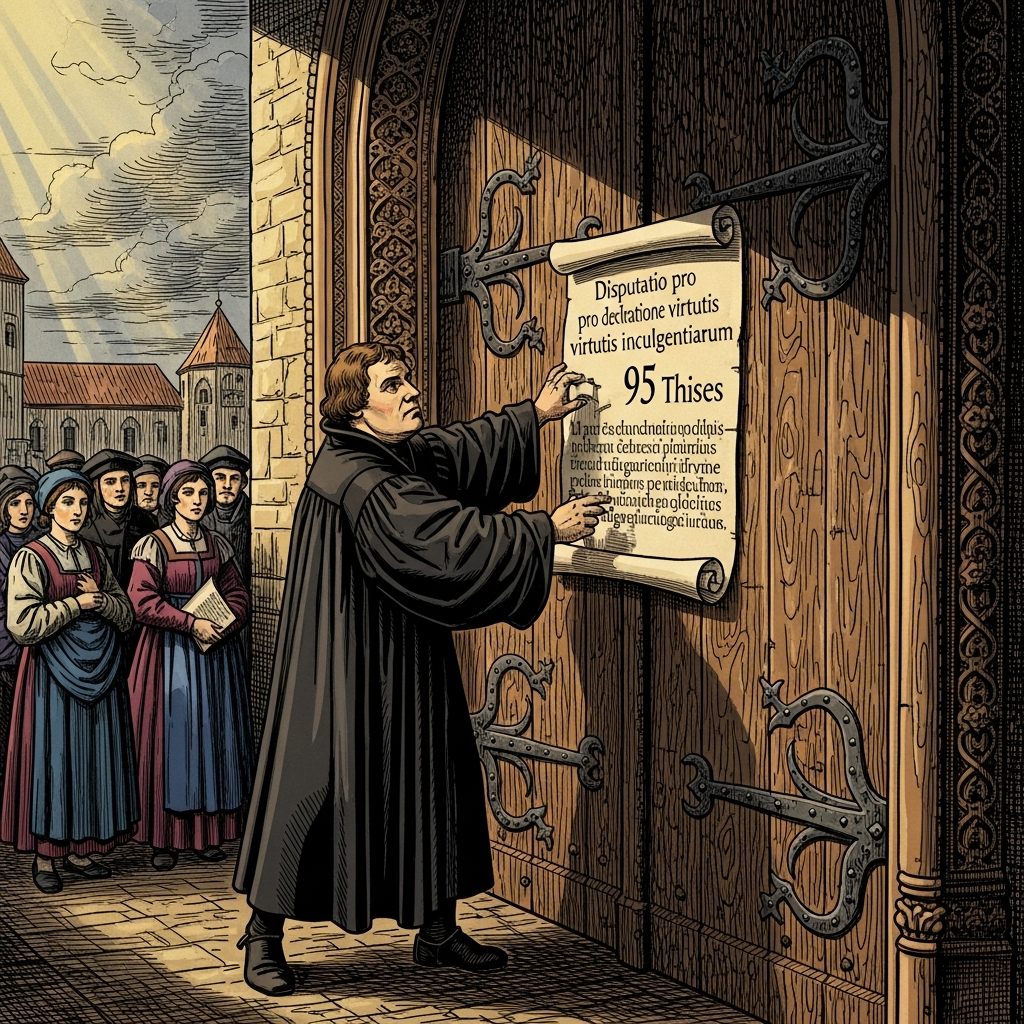
Early modern period
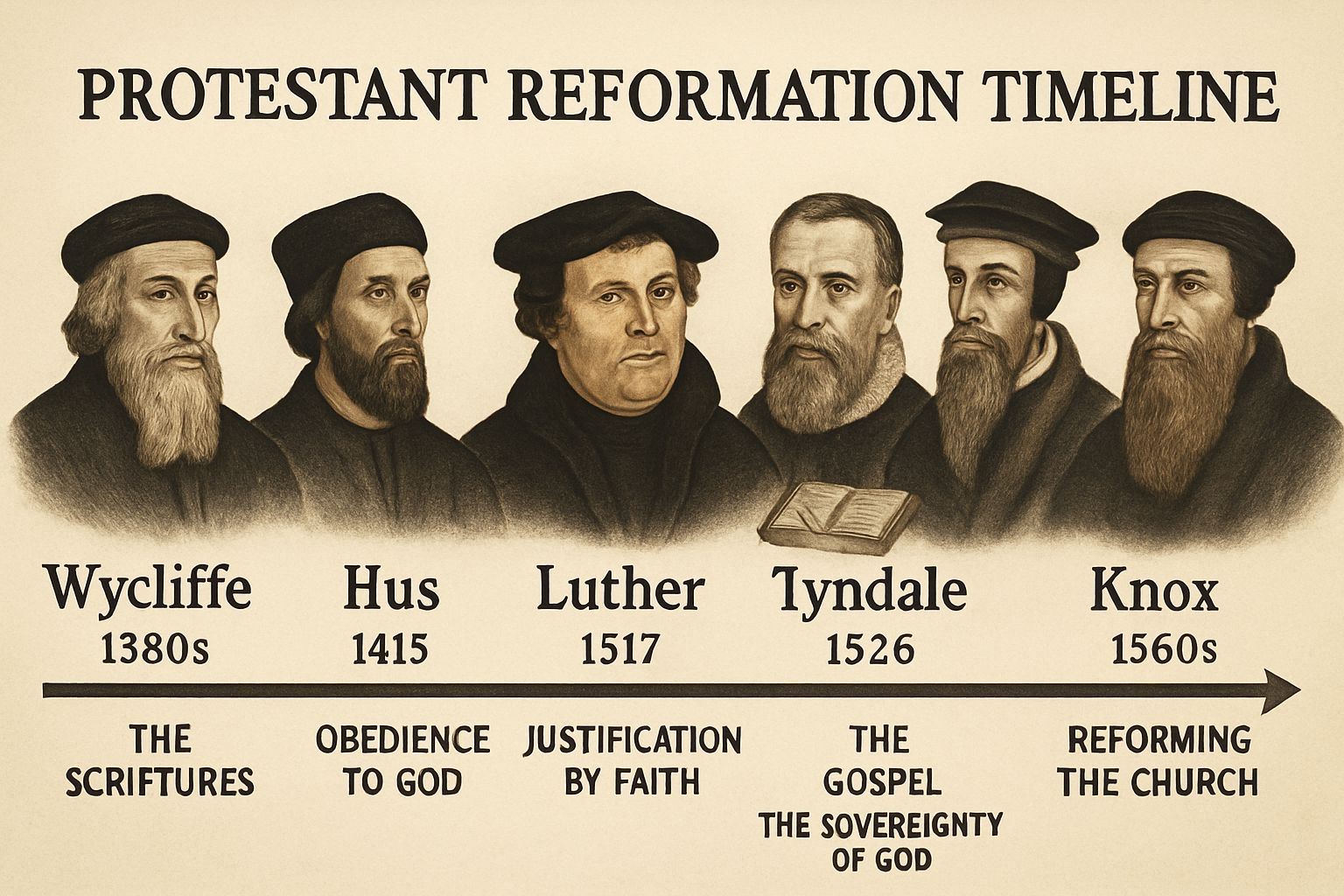
Reformation timeline
Early Modern History for Young Truth Seekers
Grades 4-5
Early modern period
Reformation timeline
In this workbook, you'll learn about the Age of Exploration - when European ships sailed across the oceans to find new lands. But we'll also learn about:
Read the lesson carefully and learn new facts
Think about what you learned and what it means
Remember the important facts by filling in blanks
Write, draw, or discuss what you learned
For hundreds of years, Europeans traded with Asia for valuable goods like:
But in 1453, something changed! The Ottoman Turks captured Constantinople and controlled the land routes to Asia. European traders needed a NEW way to reach Asia. Could they sail there instead?
Historians say explorers were motivated by:
Yahuah does want all people to know Him (Matthew 28:19-20). BUT He never wants us to use violence, greed, or lies to spread the gospel. Many explorers claimed to serve God but really wanted gold and power.
Yahusha said: "By their fruits you shall know them" (Matthew 7:16). Actions reveal true motives!
Many explorers were greedy and cruel. They enslaved and killed people in the name of Christianity. This is NOT what Yahusha taught! True followers of Messiah love their neighbors - they don't steal from them or hurt them.
Read Matthew 7:15-20 together. How can we tell if someone is truly serving Yahuah or just using His name for selfish reasons? Can you think of modern examples?
From: Genoa, Italy
Famous for: Sailing west and reaching the Americas in 1492
His plan: He thought he could reach Asia by sailing west across the Atlantic Ocean
Columbus believed the Earth was round (most educated people knew this). But he thought it was MUCH smaller than it actually is. He thought he could sail west from Spain and reach Asia in just a few weeks!
Columbus never realized he had found two continents unknown to Europeans! He called the native people "Indians" because he thought he was near India. He died still believing he had reached Asia.
Columbus's own diary shows he was amazed by how kind and generous the Taino people were. He wrote: "They are so generous that they give away all they own." But then he wrote that they would make "good servants" and could easily be conquered!
Within 50 years of Columbus's arrival, the Taino population dropped from over 300,000 to almost zero due to disease, slavery, and violence.
Columbus enslaved native people, forced them to find gold, and punished them brutally when they didn't find enough. Even the Spanish king and queen eventually removed Columbus from power because of his cruelty. History is complicated - Columbus was both a brave explorer AND someone who did terrible things.
RESPOND: Draw one of Columbus's three ships - the Nina, Pinta, or Santa Maria
How should we think about historical figures who did both good and bad things? Why is it important to learn the WHOLE truth, not just the parts that make heroes look perfect?
From: Florence, Italy
Explored: South American coast
Why famous: He realized this was a "New World" - not Asia! The continents "America" were named after him.
From: Portugal (sailed for Spain)
Explored: Around the entire world!
Why famous: His expedition was the first to sail around the globe - proving the Earth is round. But Magellan himself died in the Philippines; only 18 of his 270 crew members made it home.
From: Spain
Explored: Mexico
Why famous: Conquered the Aztec Empire in 1521 with only about 600 soldiers. How? Disease killed many Aztecs, and other native groups helped fight against the Aztecs.
From: Spain
Explored: Peru
Why famous: Conquered the Inca Empire in 1532. He captured the Inca emperor and demanded a room full of gold as ransom - then killed him anyway.
Men like Cortés and Pizarro are called "conquistadors" - the Spanish word for "conquerors." They didn't just explore - they conquered, killed, and stole gold from native peoples. They destroyed entire civilizations in search of treasure.
The conquistadors claimed to bring Christianity, but their actions showed greed, not love. Yahusha said the greatest commandments are to love Yahuah and love your neighbor (Mark 12:30-31). Killing and stealing from your neighbors is the OPPOSITE of this!
Some priests like Bartolomé de las Casas spoke out against the cruelty, but most were ignored.
On a world map, trace the routes of these explorers:
Read Mark 12:28-31. How did the conquistadors violate Yahuah's greatest commandments? Why do people sometimes do terrible things while claiming to serve God?
When Europeans arrived in the "New World," they didn't find empty land. Millions of people already lived there! These native peoples had their own:
| People | Location | Famous For |
|---|---|---|
| Aztecs | Mexico | Huge capital city (Tenochtitlan), pyramids |
| Maya | Central America | Advanced math, astronomy, writing system |
| Inca | Peru/South America | Mountain roads, Machu Picchu, no poverty |
| Iroquois | Northeast North America | Democratic government, powerful alliance |
Europeans brought diseases that native peoples had never encountered: smallpox, measles, typhus, and influenza. Because native peoples had no immunity, these diseases killed up to 90% of the population in many areas - sometimes before they even saw a European! This was one of history's greatest tragedies.
The Bible says Yahuah created all people from one blood (Acts 17:26). Native Americans are fully human, made in Elohim's image, just like everyone else. Some Europeans wrongly claimed native peoples were inferior or had no souls - this was SINFUL and WRONG.
Yahuah gave different nations their lands (Deuteronomy 32:8). The idea that Europeans could just take whatever land they wanted was greed, not biblical.
Read Acts 17:24-28. What does this passage teach about all humans? Why do you think some people tried to claim that native peoples weren't fully human?
Spain built the largest empire in the Americas. Their colonies stretched from Mexico through Central and South America. The Spanish:
Spanish colonists were given control over groups of native people. Supposedly the Spanish would "protect" them and teach them Christianity. In reality, it was slavery. Native people were forced to work in mines and farms without pay. Millions died from overwork and abuse.
Who: A Spanish priest who witnessed the cruelty
What he did: Wrote books exposing Spanish crimes against native peoples
His message: "These peoples are true human beings!" He argued that the conquest was sinful and unjust.
Result: Spain passed new laws (often ignored), and las Casas is remembered as a defender of native rights.
Las Casas understood what Scripture taught: you cannot love Yahuah while oppressing His creation. He wrote that every person has the right to freedom and that stealing land and forcing people into slavery is against Yahuah's law.
There are always some people who speak truth even when it's unpopular!
Read Proverbs 31:8-9. What does it mean to "open your mouth for the speechless"? Can you think of people today who need others to speak up for them?
Why founded: To find gold and get rich
First years: Terrible! Most settlers died from disease, starvation, and conflict with the Powhatan people
What saved them: Growing tobacco (a cash crop) and more settlers arriving
Dark side: In 1619, the first enslaved Africans arrived; settlers eventually destroyed the Powhatan nation
Why founded: Religious freedom! The Pilgrims wanted to worship Yahuah according to Scripture, not follow the Church of England
First years: Very hard - half died the first winter
What saved them: Squanto (a Patuxet native) taught them to farm; the Wampanoag helped them survive
Famous event: The first Thanksgiving in 1621 - giving thanks to Yahuah and celebrating with native friends
Notice the difference: Jamestown was founded on GREED (gold), and it struggled with violence and death. Plymouth was founded on FAITH (freedom to worship), and the Pilgrims built relationships with native peoples - at least at first.
Unfortunately, later generations did not keep the peace. As more English settlers arrived, they took more and more native land, leading to terrible wars.
The Pilgrims' friendship with the Wampanoag lasted about 50 years. But as more English settlers arrived, they took native land and broke treaties. In 1675-1678, King Philip's War nearly destroyed native peoples in New England. The same pattern repeated throughout American history: promises made, then broken.
Read Ecclesiastes 5:4-5 about keeping vows. Why is it important to keep promises, especially to people who are vulnerable? What happens when trust is broken?
What was life like for ordinary people in the colonies? Let's explore different groups:
Colonial society had strict divisions:
How could people who read the Bible and claimed to follow Yahusha also enslave other human beings? This is one of history's greatest sins. The Bible was twisted to justify slavery, even though Scripture teaches:
True believers should have rejected slavery. Some did - the Quakers spoke against it as early as 1688!
RESPOND: Draw a scene from colonial life - a farm, a colonial house, or a meeting house
Read Galatians 3:26-28. What does Paul say about divisions between people in Messiah? How should believers have applied this to slavery?
In this workbook, we learned about the Age of Exploration and colonization. Here's what we discovered:
What was the most surprising or important thing you learned in this workbook? How can understanding the true history of exploration help us be better followers of Yahusha today?