"The earth is Yahuah's, and the fullness thereof; the world, and they that dwell therein. For He has founded it upon the seas, and established it upon the floods." - Psalm 24:1-2
In this workbook, you'll learn about:
🏔️ Landforms - Mountains, valleys, canyons, and more
🦴 Fossils - What they are and what they tell us
💎 Natural Resources - Yahuah's gifts in the earth
🌊 The Flood - How it shaped our world
Our Approach: We'll learn what mainstream textbooks teach, then discover what Scripture and observable evidence actually show!
1Types of Landforms
A landform is a natural feature of the Earth's surface.
🏔️
Mountain
A large landform that rises high above the surrounding land. Some have snow on top!
🏜️
Valley
Low land between hills or mountains, often with a river running through it.
🏞️
Canyon
A deep valley with steep sides, usually carved by a river.
🏖️
Plain
Large, flat area of land. Great for farming!
🌋
Volcano
An opening in the Earth where molten rock (lava) can escape.
"Before the mountains were brought forth, or ever You had formed the earth and the world, even from everlasting to everlasting, You are Elohim." - Psalm 90:2
Match the Landform
1. Deep valley with steep sides: __________
2. Large flat area of land: __________
3. High land that rises above surroundings: __________
4. Low land between mountains: __________
Physics Fine Tuning
2How Were Landforms Formed?
What textbooks say: Landforms were formed over millions of years by slow processes. Mountains formed when tectonic plates slowly pushed together. Canyons were carved by rivers over millions of years.
What Scripture reveals: Yahuah created the Earth with its basic landforms during Creation week. The global Flood of Noah's day dramatically reshaped the Earth's surface in a short time, creating many of the features we see today.
"The waters prevailed exceedingly upon the earth; and all the high hills, that were under the whole heaven, were covered." - Genesis 7:19
Observable evidence:
The Grand Canyon shows layers that were deposited rapidly, not slowly over millions of years
Marine fossils are found on top of mountains - how did ocean creatures get there?
Mt. St. Helens (1980) created a mini "Grand Canyon" in just DAYS, not millions of years!
Think About It
1. What do textbooks say about how long it took to form landforms?
A fossil is the preserved remains or traces of an ancient living thing.
Types of Fossils:
Type
Description
Example
Body Fossil
Preserved body parts (bones, teeth, shells)
Dinosaur bones
Trace Fossil
Evidence of activity (footprints, burrows)
Dinosaur footprints
Mold/Cast
Impression left in rock
Leaf imprint
Petrified
Turned to stone (minerals replace original)
Petrified wood
How fossils form: For something to become a fossil, it must be buried QUICKLY before it can decay. This is why fossils point to catastrophic events, not slow processes!
Fossil Types
What type of fossil is each one?
1. A dinosaur's footprint in rock: __________
2. A fish skeleton preserved in limestone: __________
3. Wood that has turned to stone: __________
4. An impression of a fern leaf: __________
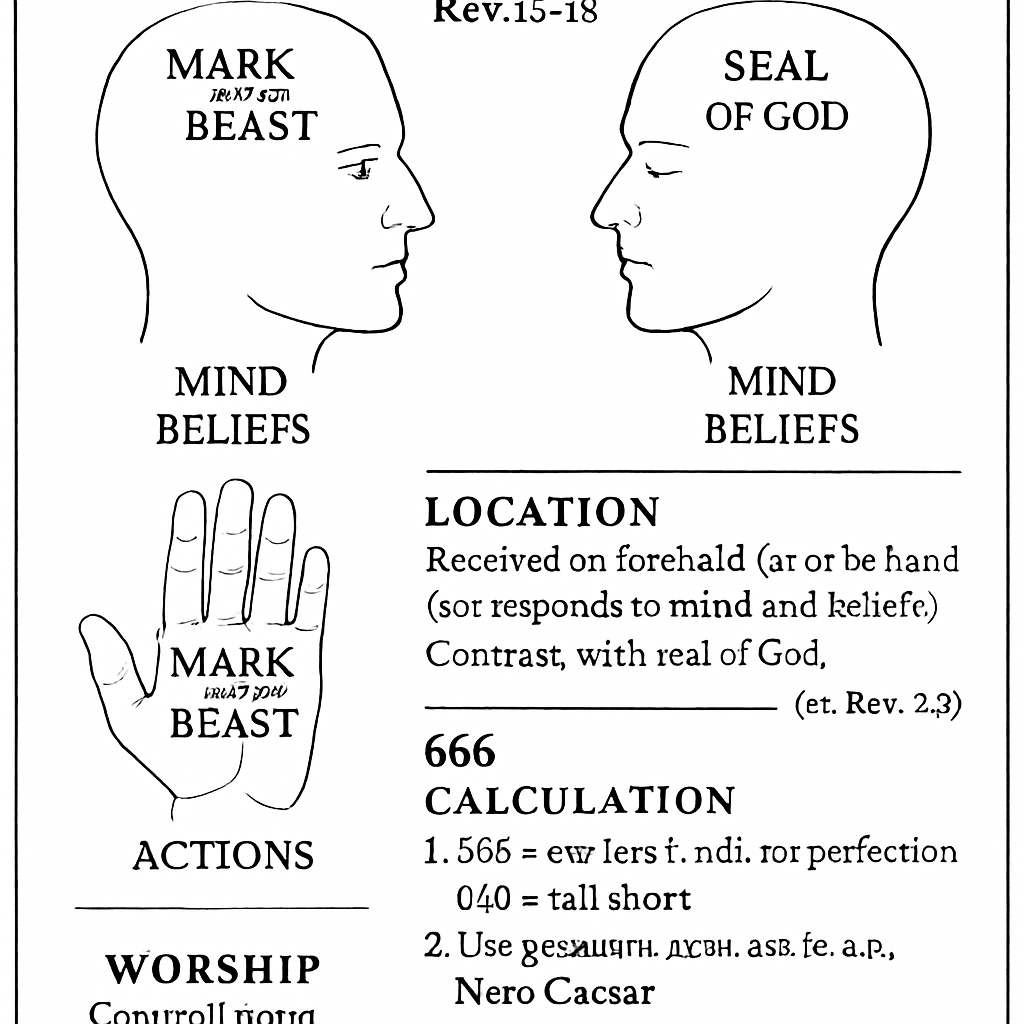
Mark of Beast Analysis
4The Fossil Record: Two Views
What textbooks say: Fossils show evolution over millions of years. Simple creatures evolved into complex ones. Dinosaurs lived 65 million years ago. Fossils in lower rock layers are older than those in upper layers.
What Scripture reveals: Yahuah created all creatures fully formed - they didn't evolve from simpler life. Dinosaurs were created on Day 6 with other land animals and lived alongside humans! The Flood buried billions of creatures rapidly.
"So Elohim created great sea creatures and every living thing that moves... And Elohim created... every beast of the earth." - Genesis 1:21, 25
Problems with the evolutionary view:
No transitional fossils: No half-fish/half-amphibian creatures found
Living fossils: Some creatures look exactly like their "ancient" fossils (coelacanth fish, horseshoe crabs)
Polystrate fossils: Trees standing through "millions of years" of rock layers - they must have been buried rapidly!
Soft tissue in dinosaur bones: Blood vessels and cells found - can't last millions of years!
"Behold now behemoth, which I made with you; he eats grass as an ox... He moves his tail like a cedar." - Job 40:15, 17 This describes a dinosaur-like creature that lived with Job!
Compare the Views
1. According to textbooks, when did dinosaurs live? __________
2. According to Scripture, when were dinosaurs created? __________
3. What is a "living fossil"? __________
4. Why is soft tissue in dinosaur bones a problem for millions of years? __________
5The Global Flood & Geology
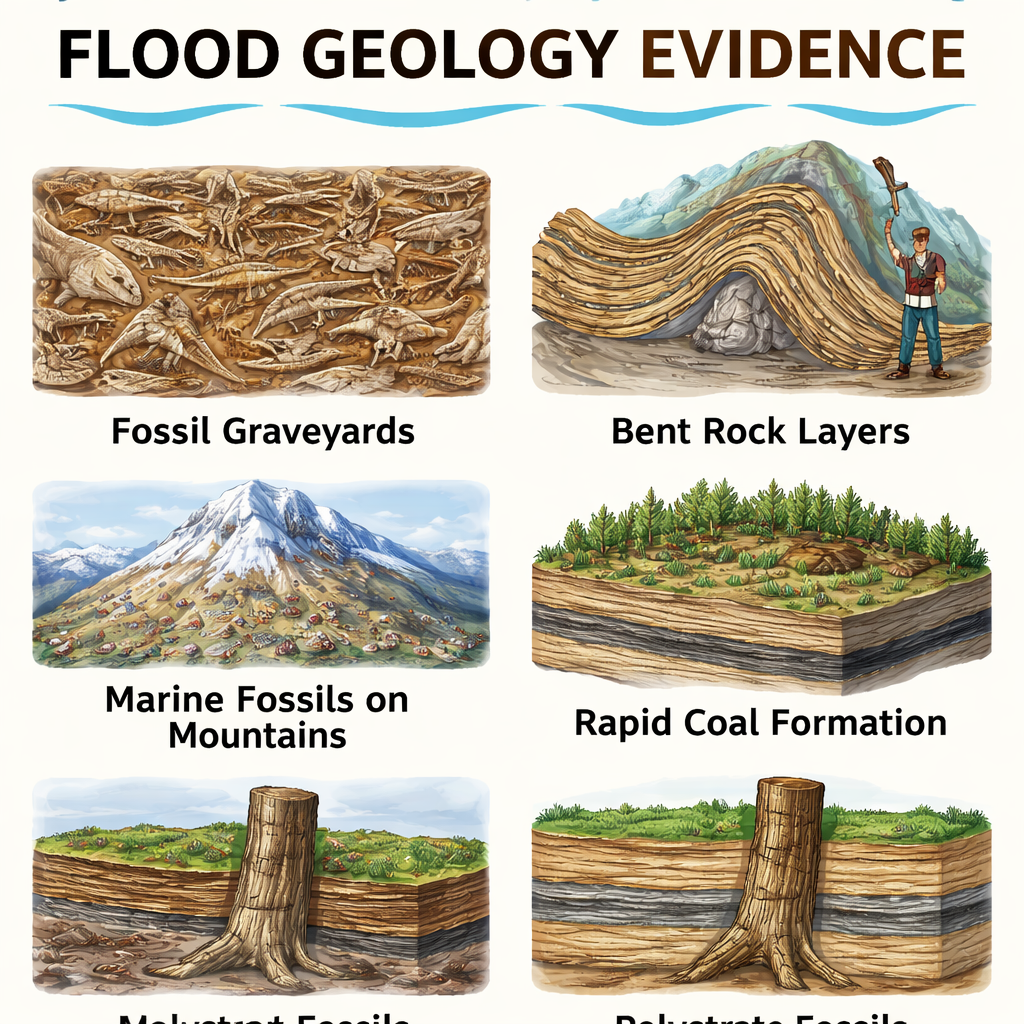
The Flood of Noah's day explains many geological features better than slow processes!
Evidence for the Global Flood:
Evidence
What It Shows
Fossil graveyards
Billions of dead things buried rapidly
Marine fossils on mountains
Ocean waters covered the whole earth
Sedimentary rock layers
Water deposited mud that turned to rock
Bent rock layers
Layers bent while still soft - rapid process!
Flood legends worldwide
Nearly every culture has a flood story
The Grand Canyon: Rather than being carved slowly over millions of years, the Grand Canyon was likely formed rapidly as waters drained from the continent after the Flood. Similar canyons formed in DAYS after Mt. St. Helens!
"And the waters prevailed upon the earth a hundred and fifty days." - Genesis 7:24
Natural resources are materials from the Earth that people use. Yahuah put them here for us!
Two Categories:
♻️
Renewable
Can be replaced naturally
Trees, water, wind, sunlight
⛏️
Non-Renewable
Limited supply, can run out
Coal, oil, natural gas, minerals
"Then Yahuah Elohim took the man and put him in the garden of Eden to tend and keep it." - Genesis 2:15 We are stewards - caretakers of Yahuah's creation!
Fossil fuels are coal, oil, and natural gas - they come from buried plants and animals.
What textbooks say: Fossil fuels formed over millions of years as dead plants and animals were slowly buried and compressed.
What creation scientists say: Massive amounts of vegetation buried rapidly during the Flood created coal. The heat and pressure from rapid burial - not millions of years - formed oil and coal. Scientists have made coal in labs in just HOURS under the right conditions!
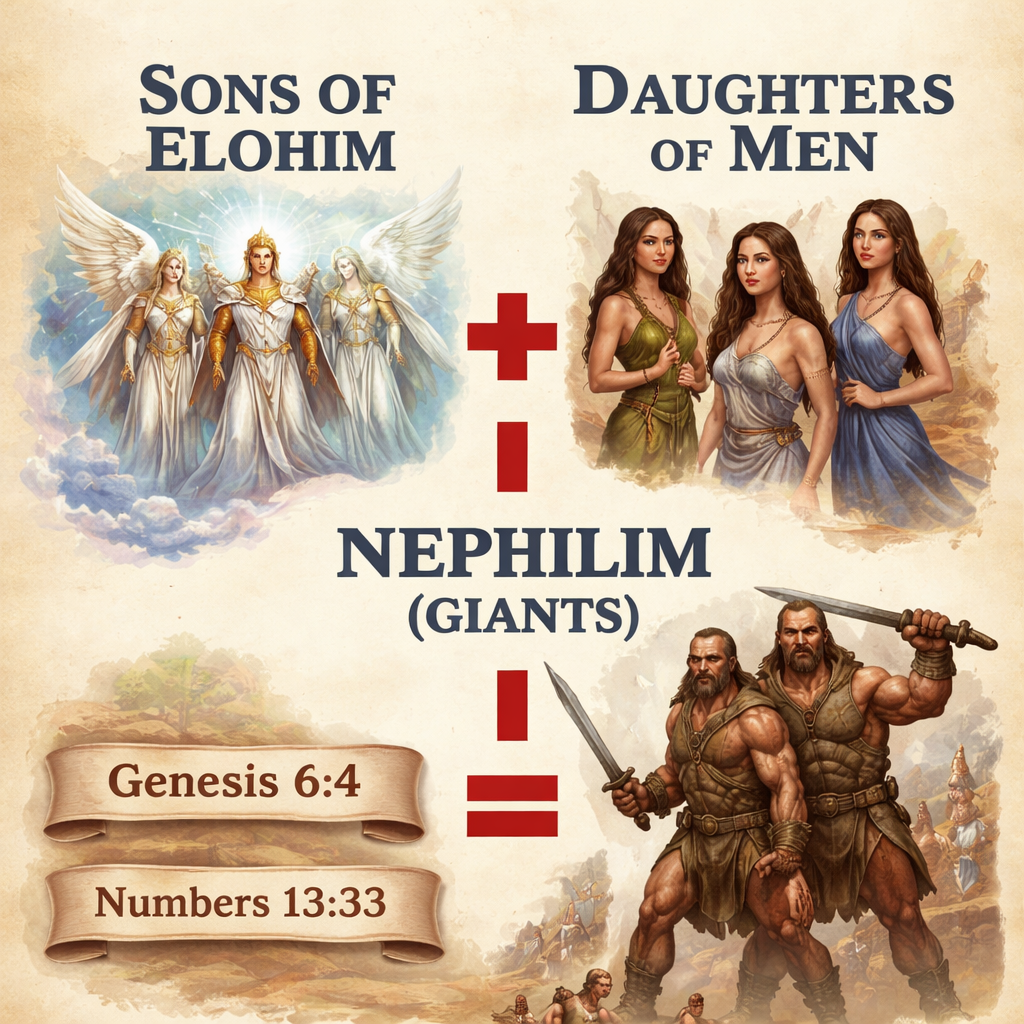
Genesis 6 Nephilim Study
The Three Fossil Fuels:
Fuel
Made From
Uses
Coal
Buried plants/trees
Electricity, heat
Oil (Petroleum)
Marine creatures
Gasoline, plastics
Natural Gas
Decomposed organisms
Heating, cooking
Coal seams often contain fossils of tropical plants - even in cold places like Antarctica! This shows the world was very different before the Flood.
Fossil Fuels
1. Name the three fossil fuels: __________, __________, __________
2. What is coal made from? __________
3. What does finding tropical plants in Antarctica suggest? __________
8Minerals and Mining
Minerals are non-living, solid materials found in rocks. They're the building blocks of rocks!
Important Minerals:
🪙
Gold & Silver
Jewelry, money, electronics
⚙️
Iron
Steel for buildings, tools
🔌
Copper
Electrical wires
🧂
Halite (Salt)
Food preservation, flavor
"The gold of that land is good: there is bdellium and the onyx stone." - Genesis 2:12 Yahuah put precious minerals in the Earth from the beginning!
Flood Geology Evidence
How We Get Minerals:
Surface mining: Digging from the surface (open pit mines)
Underground mining: Tunnels deep into the earth
Panning/Placer: Washing sediment to find gold or gems
Minerals
1. What mineral is used in electrical wires? __________
2. What is steel made from? __________
3. What mineral is used for food seasoning and preservation? __________
9Soil - A Living Resource
Soil is one of our most important resources - without it, nothing could grow!
What's in Soil?
🪨 Minerals - From broken-down rocks
🍂 Organic matter - Decomposed plants and animals
💧 Water - In the spaces between particles
💨 Air - Roots need oxygen!
🦠 Living things - Bacteria, worms, insects
"And Yahuah Elohim formed man of the dust of the ground." - Genesis 2:7 Our bodies contain the same elements found in soil!
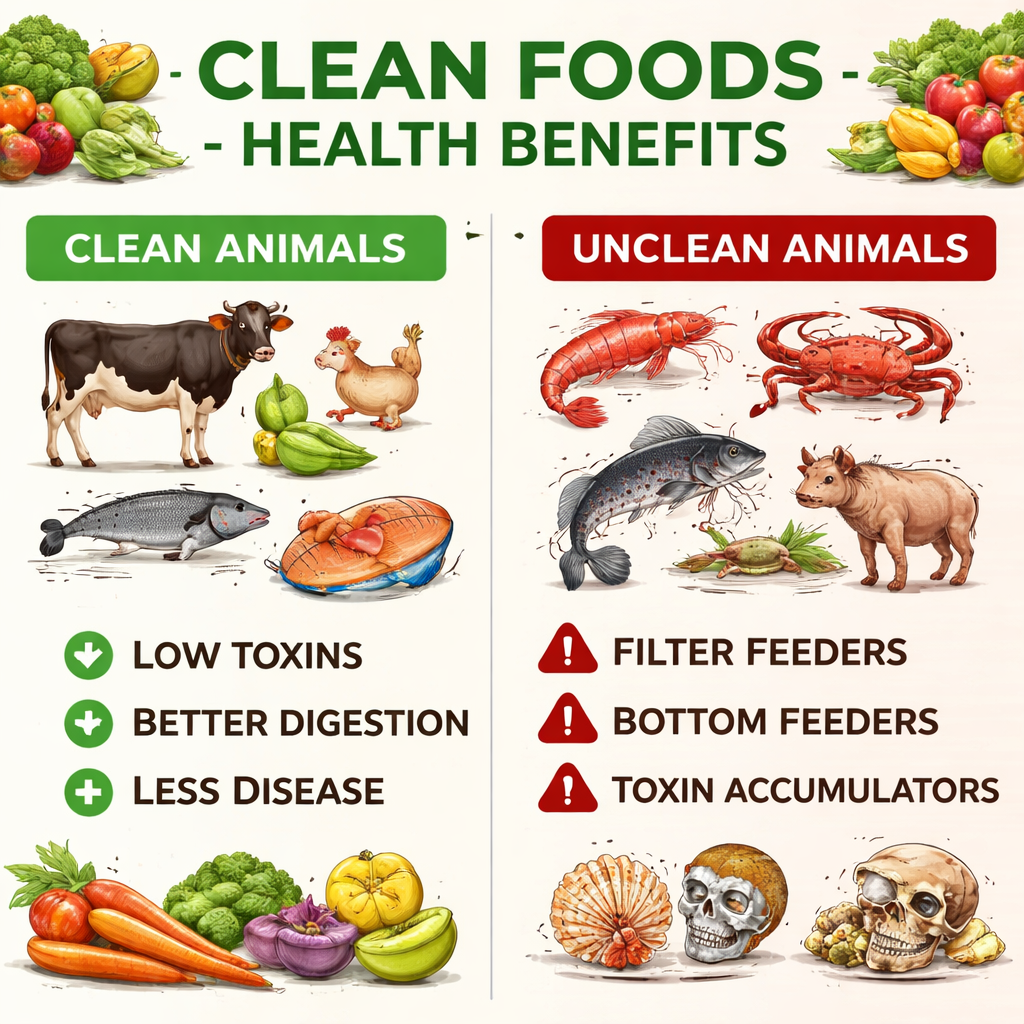
Clean Foods Health Science
Protecting Soil:
Soil can be damaged by:
Erosion - Wind and water carrying soil away
Pollution - Chemicals damaging the soil
Over-farming - Using soil without letting it rest
Yahuah's Soil Law: In Leviticus 25, Yahuah commanded Israel to let the land rest every 7th year (the Sabbath year). Modern science confirms that this practice helps soil stay healthy and productive!
Soil Questions
1. Name 3 things found in healthy soil:
__________, __________, __________
2. What is erosion? __________
3. How often did Yahuah say to let the land rest? __________
10Review - Yahuah's Earth
"O Yahuah, how manifold are Your works! In wisdom have You made them all: the earth is full of Your riches." - Psalm 104:24