📚 Textbook Narrative
- Age of reason triumphed over ignorance
- Science replaced superstition
- Progress toward human freedom
- Foundation of modern democracy
- Liberation from religious oppression
Grades 11-12 | Truth Carriers Education
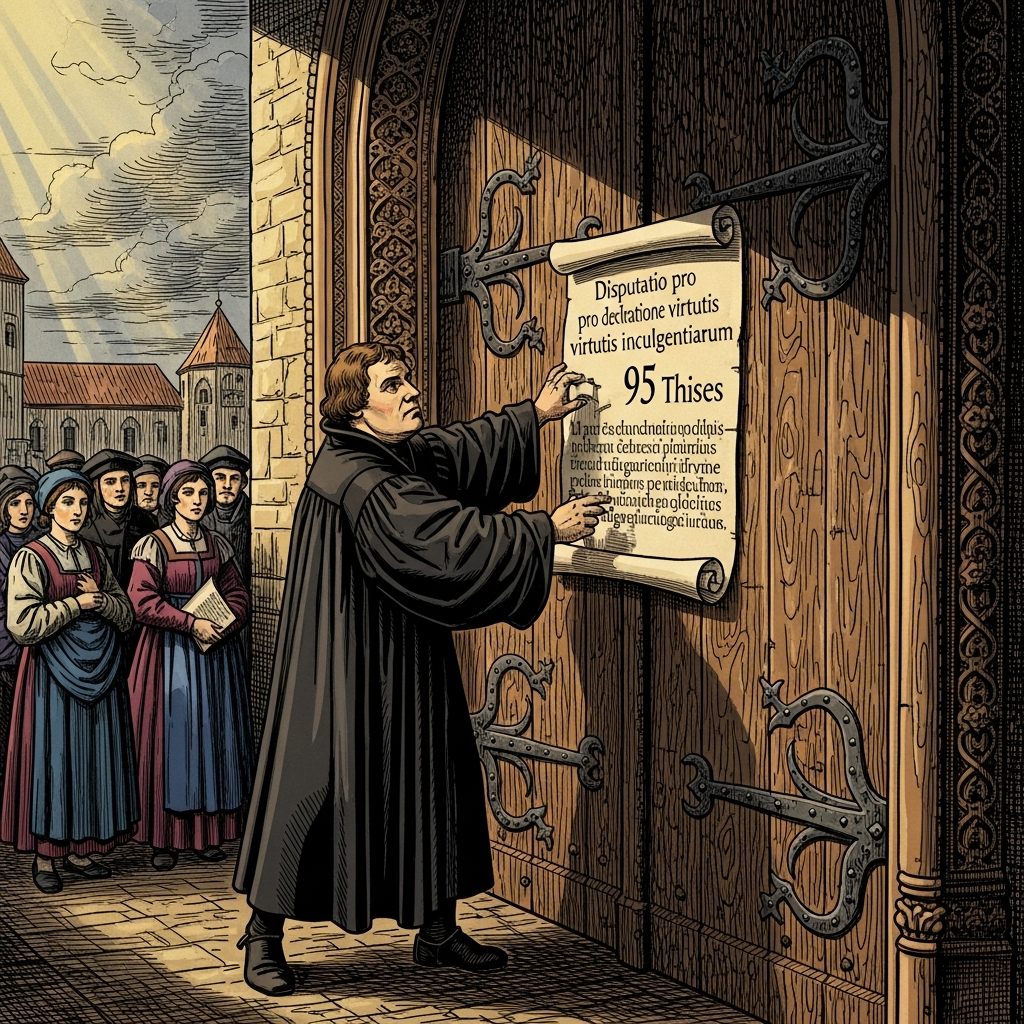
Early modern period
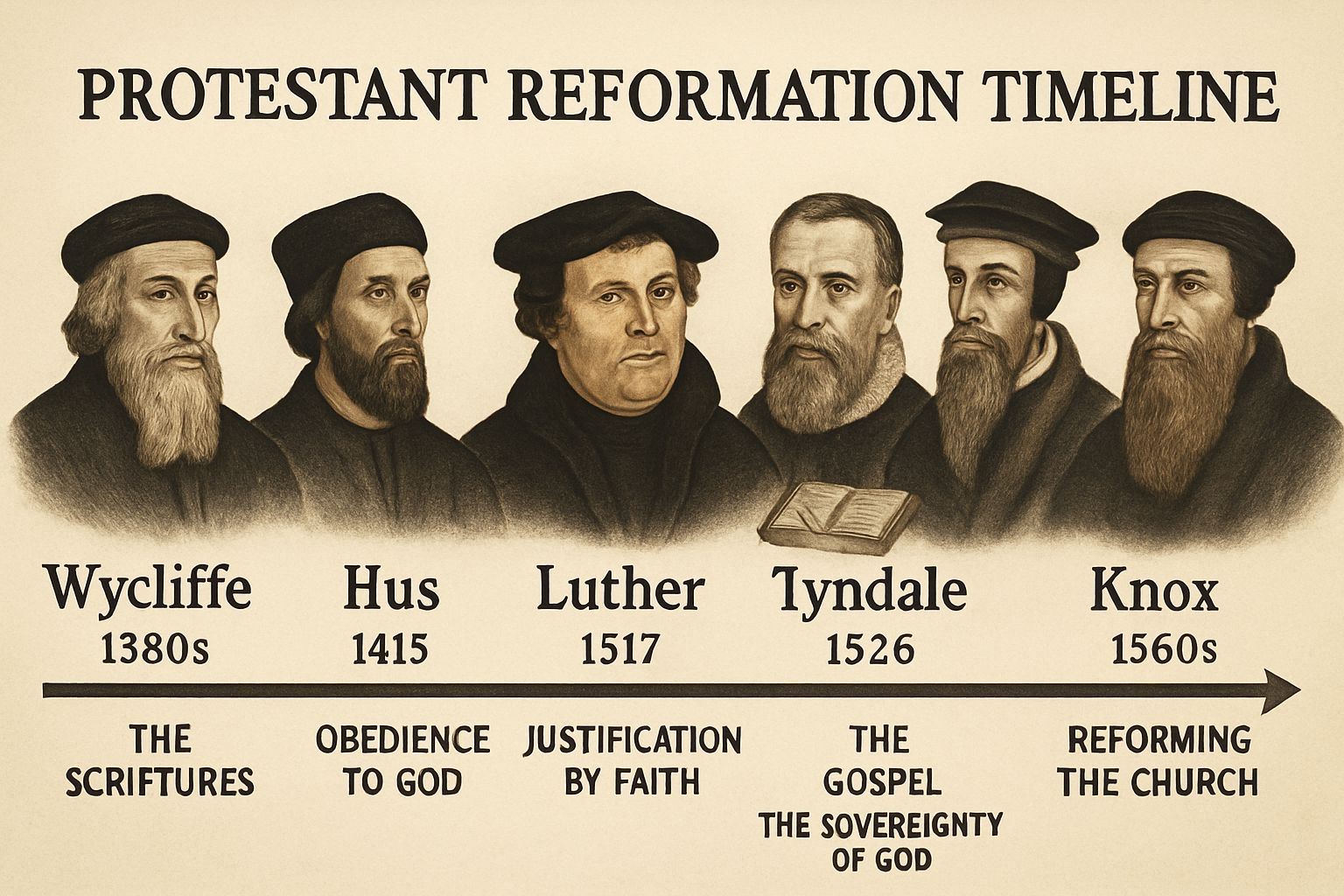
Reformation timeline
Lesson 1
The 18th-century movement known as "The Enlightenment" promised to replace religious "superstition" with human reason. But what was really happening?
| Concept | Enlightenment View | Biblical View |
|---|---|---|
| Authority | Human reason is supreme | Yahuah's Word is supreme |
| Human Nature | Basically good; perfectible | Fallen; needs redemption |
| Progress | Inevitable through education | Only through Messiah |
| Religion | Obstacle to progress | Foundation of wisdom |
| Morality | Based on reason alone | Based on Torah |
Lesson 2
French philosopher
Attacked Christianity relentlessly. Predicted the Bible would be forgotten within 100 years. Ironically, his house became a Bible distribution center after his death. Famous for: "Crush the infamous thing" (referring to Christianity).
Swiss philosopher
Promoted the "noble savage" myth—that humans are naturally good but corrupted by civilization. His ideas fueled the French Revolution. Abandoned all five of his children to orphanages while writing about education.
German philosopher
Coined the motto "Dare to know" (Sapere aude). Argued that religion should be confined to "practical reason" only. Separated faith from knowledge, undermining biblical authority in academia.
Founder of the Bavarian Illuminati
Founded the Order of the Illuminati on May 1, 1776. Stated goal: abolition of all monarchies, private property, inheritance, patriotism, family, and religion. Infiltrated Masonic lodges to spread influence.
Lesson 3
The French Revolution (1789-1799) put Enlightenment ideas into practice. The results were catastrophic.
Lesson 4
Beginning in Britain (c. 1760), the Industrial Revolution transformed society from agricultural to industrial. But at what cost?
| Issue | Reality |
|---|---|
| Child Labor | Children as young as 5 worked 12-16 hour days in factories and mines |
| Working Conditions | Dangerous machinery, no safety regulations, brutal discipline |
| Living Conditions | Crowded slums, disease, polluted air and water |
| Family Structure | Separated during work; children raised in factories |
| Community | Traditional village life destroyed; urban anonymity |
Before industrialization, common lands allowed peasants to farm, graze animals, and survive independently. The Enclosure Acts (1750-1850) privatized these lands, forcing people off the land and into factory work. This wasn't natural "progress"—it was engineered displacement.
Lesson 5
The Industrial Revolution required massive capital. Understanding who provided it reveals hidden power structures.
Est. 1760s - present
Mayer Amschel Rothschild founded a banking dynasty that financed governments across Europe. His five sons established banks in London, Paris, Vienna, Naples, and Frankfurt. They financed both sides of wars, including the Napoleonic Wars. Nathan Rothschild reportedly made a fortune by receiving early news of Waterloo.
Lesson 6
Many historians acknowledge that secret societies played significant roles in Enlightenment movements and revolutions.
Emerged publicly in 1717 (Grand Lodge of England). Spread rapidly among elites. Many Enlightenment leaders and revolutionaries were Masons, including Voltaire, Benjamin Franklin, and George Washington. The movement promoted Deism and religious tolerance (meaning all religions equal, none uniquely true).
Founded May 1, 1776 by Adam Weishaupt. Officially suppressed in 1785 when Bavarian authorities discovered their documents. Goals included: abolition of monarchy, religion, private property, and family. Infiltrated Masonic lodges. Many historians believe members dispersed into other organizations.
Lesson 7
The movements of 1700-1900 shaped the modern world. Understanding their fruits helps us evaluate them.
| Development | Claimed Benefit | Hidden Cost |
|---|---|---|
| Secularism | Religious freedom | Marginalization of faith |
| Public Education | Universal literacy | State control of thought |
| Industrialization | Material abundance | Wage slavery, pollution |
| Urbanization | Economic opportunity | Loss of community, land |
| Central Banking | Economic stability | Debt slavery, wealth concentration |
| Nation-States | Self-determination | Total wars, nationalism |
These movements led directly to:
Lesson 8
Modern education teaches that history is a story of "progress"—from darkness to light, ignorance to knowledge, oppression to freedom. But is this true?