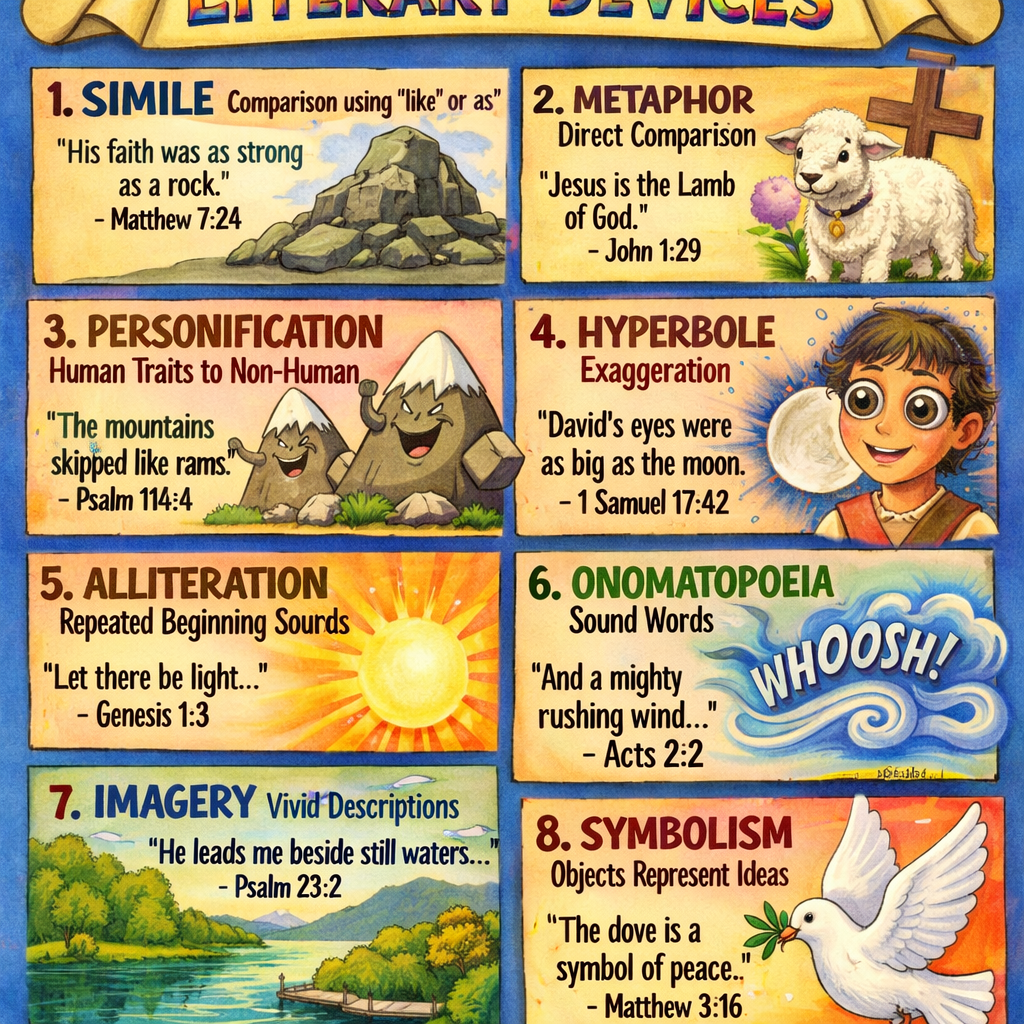
Literary devices
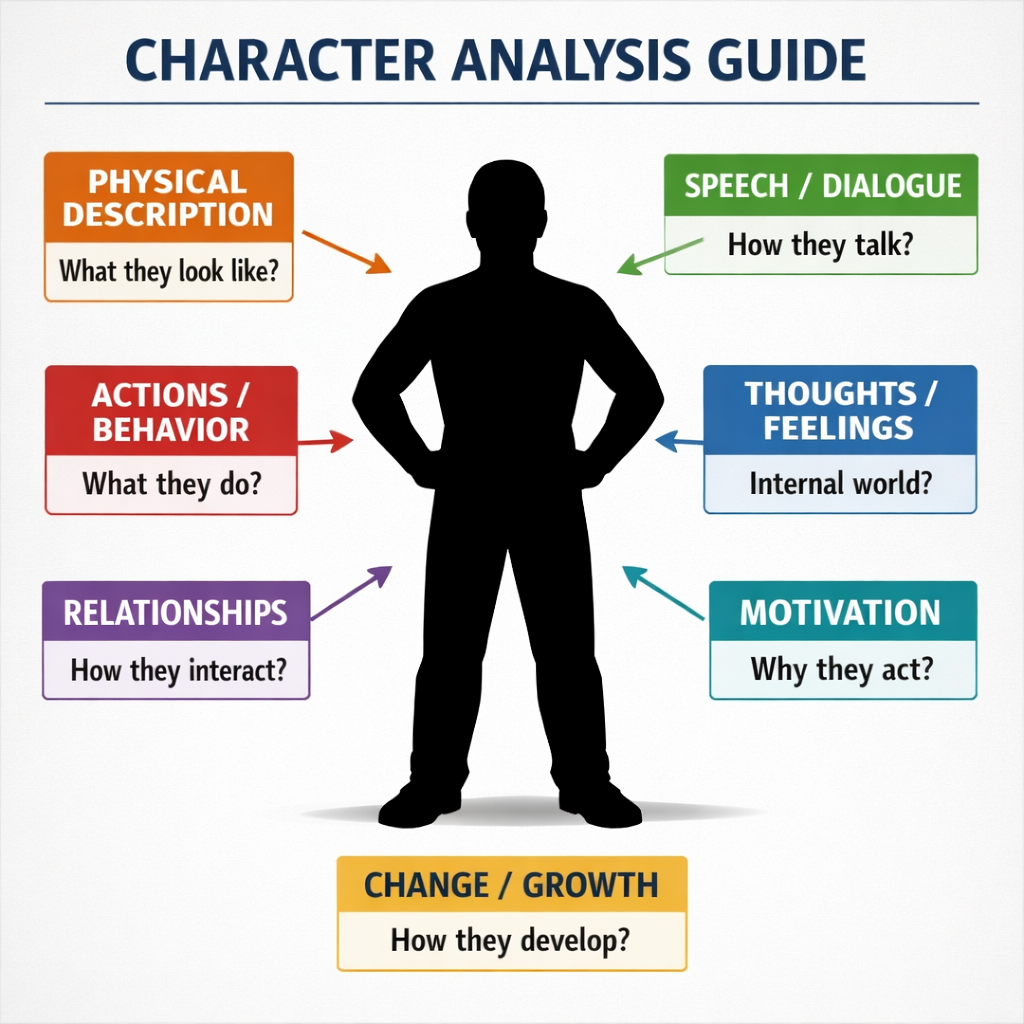
Character analysis
Reading with Discernment
Grades 9-10 | High School Literature I
Literary devices
Character analysis
This course studies significant works of American and British literature while developing critical discernment. For each work, we examine:
Puritan writers (Bradford, Edwards) had a strong biblical worldview - sin, grace, providence.
Enlightenment writers (Franklin, Paine, Jefferson) shifted toward Deism and rationalism. Note how the founding documents move from "the Lord" to "Nature's God."
How did American literature shift from explicitly Christian (Puritans) to Deist/rationalist (Founders)? What worldview influences can you trace?
Emerson rejected biblical Christianity for a pantheistic, self-focused spirituality. "Trust thyself" became the American gospel.
Critique of Puritan society. Often taught as showing the "hypocrisy of religious people." Consider: Is it critiquing true faith or legalism?
Complex allegory. Ahab's obsession can be read as warning against idolatry and revenge. Contains extensive biblical allusions.
How does Emerson's "Self-Reliance" contradict Proverbs 3:5-6 ("Trust in Yahuah... lean not on your own understanding")?
Social satire of medieval England. Note the critique of corrupt clergy - legitimate concern, but also proto-Protestant themes.
Recommended: Hamlet, Macbeth, Julius Caesar. Shakespeare's worldview is debated, but his plays explore universal themes: ambition, guilt, justice, revenge, love.
Shakespeare wrote in a Christian culture; his works assume biblical morality even when characters violate it.
Epic retelling of the Fall. Milton was a Puritan. Note: Some critics claim Satan is the "hero" - examine whether this is Milton's intent or modern misreading.
Modern scholars often claim Shakespeare was secular or subversive. What evidence in the plays suggests his culture's biblical foundation?
Social criticism with Christian themes of redemption and sacrifice. Sydney Carton's sacrifice echoes Yahusha.
Strong moral framework. Jane refuses to compromise her principles even for love. Contains explicit references to Christianity and conscience.
After Darwin's "Origin of Species" (1859), literature began shifting. Authors like Thomas Hardy and later writers show increasing doubt, naturalism, and despair.
Compare earlier Victorian optimism to later Victorian doubt - trace the worldview shift.
Can be read as warning against hedonism and vanity. Dorian's corruption is literal - sin destroys from within.
How does Jane Eyre's decision to leave Rochester (despite loving him) reflect biblical principles? What Scripture might apply?
Propaganda uses emotional appeals and selective information to shape beliefs and behaviors. Literature can be propaganda when it:
Think of a book or movie you've encountered. Identify any propaganda techniques used:
Taught as: Critique of the American Dream, materialism
Also consider: What does it say about morality? Is there any redemption? What's the worldview?
Question: Why is this considered the "Great American Novel"?
Social protest literature. Steinbeck had socialist sympathies. Note how institutional religion is often portrayed negatively while "common people" are saintly.
Important themes of justice and courage. Atticus Finch as moral example. Consider: What's the book's view of Southern Christianity? Is it accurate or stereotyped?
These books have literary merit. The goal isn't to reject them wholesale but to read with discernment:
Create a personal reading list that includes works from different perspectives but weighted toward those with biblical foundations:
Choose ONE work from this course (or approved alternative). Write a 4-6 page essay that:
I. Introduction - Hook, context, thesis
II. Literary Analysis - Techniques, style, structure
III. Worldview Analysis - Author's assumptions, biases
IV. Propaganda Identification - Techniques used (if any)
V. Biblical Evaluation - How does it compare to Scripture?
VI. Conclusion - Overall assessment, recommendation