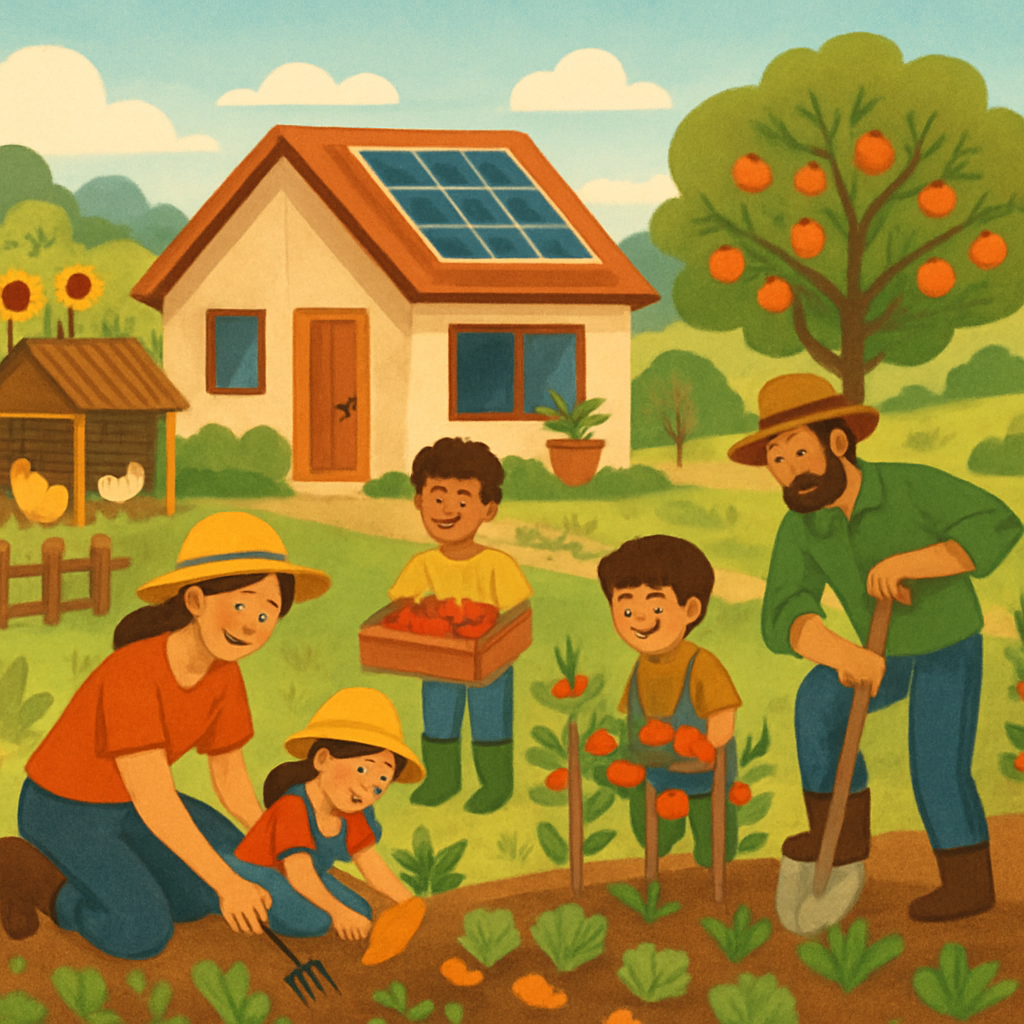
Yahuah's design for His people includes working the land, growing food, and being good stewards of creation. This course teaches practical skills for self-sufficiency—skills our ancestors knew but modern society has largely forgotten. These abilities honor Yahuah and prepare us for uncertain times ahead.
Genesis 2:15 - "And Yahuah Elohim took the man, and put him into the garden of Eden to dress it and to keep it."
From the beginning, Yahuah gave humanity the responsibility to tend and keep the earth.
Self-sufficiency isn't about pride or isolation—it's about following Yahuah's design and being prepared to care for our families and help others.
Biblical Principles of Self-Sufficiency:
Work is good: Yahuah worked for six days; we are made in His image (Genesis 2:2-3)
Provide for family: "If any provide not for his own... he hath denied the faith" (1 Timothy 5:8)
Be prepared: The wise store up provisions (Proverbs 21:20)
Land stewardship: Care for creation (Genesis 2:15)
Independence from world systems: "Come out of her, my people" (Revelation 18:4)
Proverbs 31:16 - "She considereth a field, and buyeth it: with the fruit of her hands she planteth a vineyard."
The virtuous woman was a homesteader!
The Ant Principle
Proverbs 6:6-8: "Go to the ant, thou sluggard; consider her ways, and be wise: Which having no guide, overseer, or ruler, Provideth her meat in the summer, and gathereth her food in the harvest."
Ants prepare during times of plenty for times of need. This is wisdom, not fear.
✏️ RECALL: Practice Questions
Lesson 2: Planning Your Garden
📖 RECEIVE: Garden Planning Basics
A successful garden starts with good planning. Consider these factors:
Site Selection:
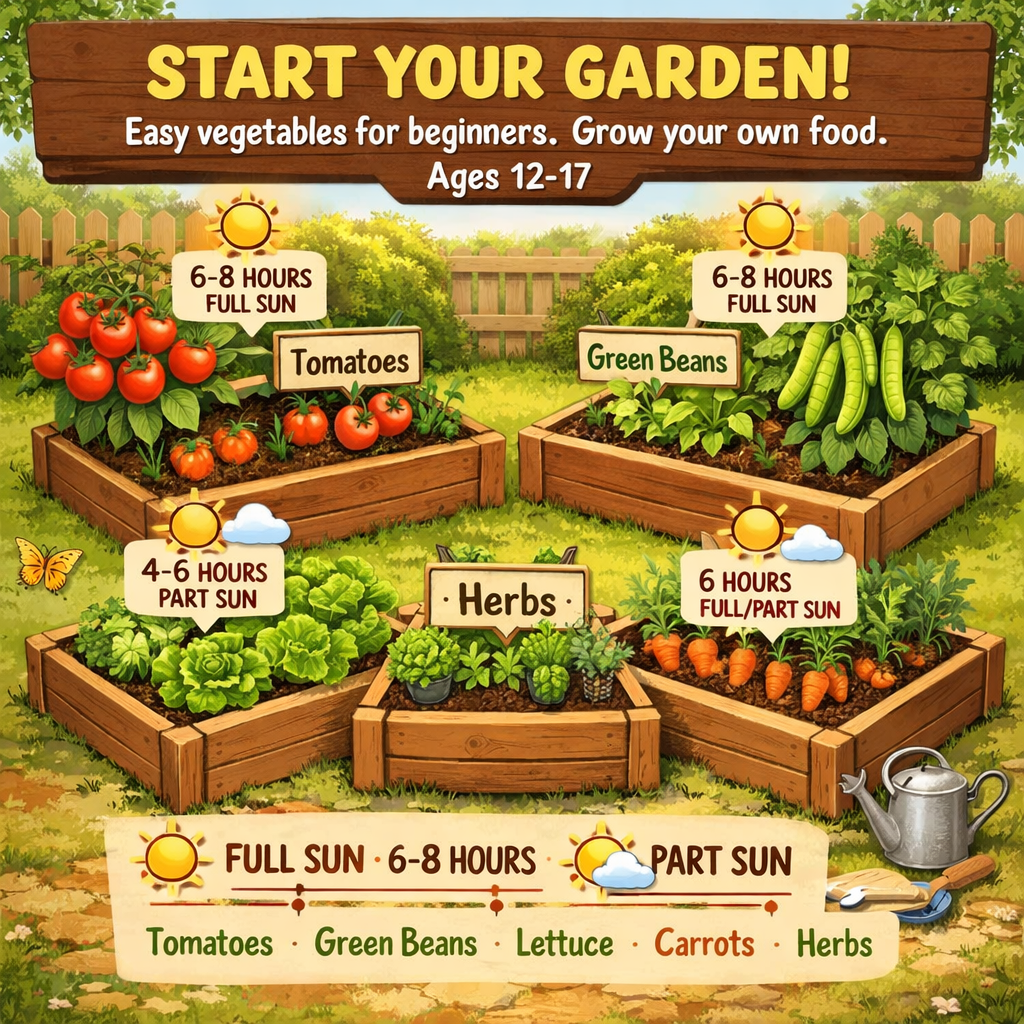
Sunlight: Most vegetables need 6-8 hours of direct sun
Water access: Near a water source for easy irrigation
Drainage: Avoid low spots where water pools
Proximity: Close enough to tend daily
Garden Layout Options
Type
Pros
Cons
Row Garden
Traditional, easy to maintain
Uses more space
Raised Beds
Better drainage, easier on back
Initial cost to build
Square Foot
Intensive, high yield
Needs rich soil
Container
Portable, good for small spaces
Limited root space
Start Small!
A 4x8 foot raised bed can produce a surprising amount of food. It's better to master a small garden than be overwhelmed by a large one. You can always expand next year!
✏️ RECALL: Practice Questions
Lesson 3: Soil & Composting
📖 RECEIVE: Healthy Soil = Healthy Plants
Soil is alive! Good soil contains billions of microorganisms that help plants absorb nutrients. Healthy soil is the foundation of successful gardening.
Components of Good Soil:
Minerals: Sand, silt, and clay particles
Organic matter: Decomposed plant/animal material
Air: Spaces for roots to breathe
Water: Moisture for plants and microbes
Living organisms: Bacteria, fungi, worms, insects
Making Compost
Compost is "black gold" for gardens—decomposed organic matter that feeds the soil.
Brown materials (Carbon): Dry leaves, straw, cardboard, wood chips
Green materials (Nitrogen): Kitchen scraps, grass clippings, manure
Ratio: About 3 parts brown to 1 part green
Keep it moist (like a wrung-out sponge) and turn it regularly.
Genesis 3:19 - "In the sweat of thy face shalt thou eat bread, till thou return unto the ground; for out of it wast thou taken."
We came from the ground and will return to it. Soil is sacred—it's the source of our food!
Project: Start a Compost Pile
Choose a spot (shaded area, good drainage)
Gather brown materials (leaves, straw)
Add green materials (kitchen scraps)
Keep moist and turn weekly
In 2-6 months, you'll have compost!
✏️ RECALL: Practice Questions
Lesson 4: Growing Vegetables
📖 RECEIVE: Vegetable Gardening Basics
Different vegetables have different needs. Understanding plant families and growing requirements helps you plan a successful garden.
Easy to Grow
Moderate
More Challenging
Lettuce, spinach
Tomatoes
Cauliflower
Radishes
Peppers
Artichokes
Green beans
Cucumbers
Celery
Zucchini
Carrots
Melons
Herbs
Onions
Asparagus
Beginner's First Garden
Start with these easy, productive crops:
Tomatoes: High yield, versatile use
Zucchini: Very productive, hard to fail
Green beans: Easy and nutritious
Lettuce: Quick harvest (30-45 days)
Herbs: Basil, parsley, chives
Planting Calendar
Cool season (spring/fall): Lettuce, peas, broccoli, cabbage, carrots
Warm season (summer): Tomatoes, peppers, beans, squash, corn
Know your "last frost date" in spring and "first frost date" in fall
✏️ RECALL: Practice Questions
Lesson 5: Fruit Trees & Perennials
📖 RECEIVE: Planting for the Future
Perennials are plants that come back year after year. Fruit trees, berry bushes, and perennial vegetables provide food for decades with less work than annual gardens.
The Best Time to Plant a Tree
"The best time to plant a tree was 20 years ago. The second best time is now."
Fruit trees take 3-7 years to produce, but then provide for generations. Plant now for your future!
Type
Examples
Years to Harvest
Fruit Trees
Apple, pear, peach, cherry
3-7 years
Berries
Blueberries, raspberries, blackberries
1-3 years
Nuts
Walnut, hazelnut, chestnut
5-10 years
Perennial Vegetables
Asparagus, rhubarb, artichokes
2-3 years
Leviticus 19:23-25 - "When ye shall come into the land, and shall have planted all manner of trees for food... in the fifth year shall ye eat of the fruit thereof."
Yahuah's law recognized that fruit trees need time to establish before heavy harvesting.
✏️ RECALL: Practice Questions
Lesson 6: Raising Chickens
📖 RECEIVE: Backyard Poultry Basics
Chickens are often the first livestock for homesteaders. They provide eggs, meat, pest control, and fertilizer—all while being relatively easy to care for.
What Chickens Need
Coop: 4 sq ft per bird inside, predator-proof
Run: 10 sq ft per bird outside (or free range)
Nesting boxes: 1 box per 3-4 hens
Roost: 8-10 inches per bird
Food: Layer feed, grit, calcium (oyster shell)
Water: Fresh, clean water always available
Breed
Eggs/Year
Temperament
Rhode Island Red
250-300
Hardy, good layers
Plymouth Rock
200-250
Friendly, dual-purpose
Leghorn
280-320
Best layers, flighty
Orpington
200-280
Gentle, cold-hardy
Chicken Safety
Always wash hands after handling chickens
Collect eggs daily
Keep coop clean and dry
Protect from predators (foxes, raccoons, hawks)
Check local ordinances for regulations
✏️ RECALL: Practice Questions
Lesson 7: Food Preservation
📖 RECEIVE: Storing the Harvest
Gardens produce abundantly in season. Preservation allows you to eat your harvest year-round. Our ancestors preserved food without refrigeration for thousands of years.
Method
How It Works
Best For
Canning
Heat kills bacteria, vacuum seal prevents recontamination
Vegetables, fruits, meats, jams
Freezing
Cold prevents bacterial growth
Most foods (requires electricity)
Dehydrating
Removes moisture bacteria need
Fruits, vegetables, herbs, jerky
Fermenting
Good bacteria preserve food
Sauerkraut, pickles, kimchi
Root Cellar
Cool, humid storage
Potatoes, carrots, apples, squash
Canning Safety
Water bath canning is safe for high-acid foods (fruits, tomatoes, pickles).
Pressure canning is required for low-acid foods (vegetables, meats) to prevent botulism.
Always follow tested recipes from reliable sources!
Easy First Projects
Dehydrated herbs: Just hang to dry or use a food dehydrator
Freezer jam: No cooking required
Fermented pickles: Salt, water, cucumbers—done!
Dried apple chips: Slice thin and dehydrate
✏️ RECALL: Practice Questions
Lesson 8: Water & Energy
📖 RECEIVE: Essential Resources
Water and energy are essential for life. Understanding how to collect, store, and conserve these resources is vital for self-sufficiency.
Water Collection & Storage
Rainwater harvesting: Collect from roof into barrels/tanks
Wells: Access groundwater (requires drilling)
Springs: Natural groundwater emergence
Storage: Food-grade containers, away from light
Purification: Boiling, filtering, UV treatment
Alternative Energy
Solar: Panels convert sunlight to electricity
Wind: Turbines generate power from wind
Wood heat: Renewable if managed properly
Passive solar: Design buildings to use sun's heat
Proverbs 21:20 - "There is treasure to be desired and oil in the dwelling of the wise; but a foolish man spendeth it up."
The wise store up resources; fools consume everything immediately.
✏️ RECALL: Practice Questions
Lesson 9: Basic Building & Repairs
📖 RECEIVE: Practical Skills
Being able to build and repair things saves money and builds self-reliance. Every homesteader should have basic skills with tools.
Essential Tools
Category
Tools
Measuring
Tape measure, level, square
Cutting
Hand saw, utility knife, pruning shears
Fastening
Hammer, screwdrivers, drill
Digging
Shovel, spade, post hole digger
Garden
Hoe, rake, trowel, wheelbarrow
Beginner Projects
Build a raised garden bed
Construct a simple compost bin
Build a chicken coop or nesting box
Make a rain barrel collection system
Build a simple tool shed or lean-to
Tool Safety
Always wear safety glasses when cutting or drilling
Use gloves when appropriate
Keep tools sharp and in good condition
Learn proper techniques before using power tools
Work with adult supervision until experienced
✏️ RECALL: Practice Questions
Lesson 10: Preparedness & Stewardship
📖 RECEIVE: Being Ready
Preparedness isn't about fear—it's about wisdom and responsibility. Yahuah calls us to be ready and to help others in times of need.
Basic Preparedness Supplies
Water: 1 gallon per person per day (2-week minimum)
Food: Non-perishable foods for 2+ weeks
First aid: Basic medical supplies
Light: Flashlights, candles, oil lamps
Heat: Blankets, sleeping bags, alternative heating
Tools: Basic hand tools
Communication: Battery or hand-crank radio
Genesis 41:35-36 - (Joseph's advice) "Let them gather all the food of those good years that come, and lay up corn under the hand of Pharaoh... And that food shall be for store to the land against the seven years of famine."
Joseph's wisdom saved nations. Storing during good times prepares for hard times.
Stewardship Mindset
We prepare not just for ourselves, but to be able to help others:
Store extra to share with neighbors
Learn skills to teach others
Build community relationships now
Trust Yahuah, but also take practical action
🎯 RESPOND: Personal Application
Answer Key
Lesson 1
1. To dress/tend and keep the garden | 2. He has denied the faith and is worse than an unbeliever | 3. Prepare during times of plenty for times of need
Lesson 2
1. 6-8 hours | 2. Any two: sunlight, water access, drainage, proximity | 3. Better to master a small space than be overwhelmed by too much
Lesson 3
1. Minerals, organic matter, air, water, living organisms | 2. 3:1 (three parts brown to one part green) | 3. Examples: kitchen scraps, grass clippings, manure
Lesson 4
1. Examples: lettuce, radishes, zucchini, green beans, herbs | 2. Warm season (summer) | 3. To know when it's safe to plant tender crops and when to harvest before frost
Lesson 5
1. A plant that comes back year after year | 2. 3-7 years | 3. Examples: asparagus, rhubarb, artichokes
1. Canning, freezing, dehydrating, fermenting, root cellar (any four) | 2. Pressure canning | 3. Removes moisture that bacteria need to grow
Lesson 8
1. Rainwater harvesting, wells, springs | 2. Solar, wind, wood, passive solar (any two) | 3. To be prepared for times of scarcity; it's wise not foolish
Lesson 9
1. Tape measure, level, square | 2. Saves money, builds self-reliance, enables you to provide for your family | 3. Personal answer