How to Use This Workbook
Each lesson follows the 6Rs Method:
- 📖 Receive - Learn the truth
- 💭 Reflect - Answer questions
- 🧠 Recall - Test your memory
- 🗣️ Recite - Teach someone else
- 🔄 Review - Come back to it
- ✅ Respond - Take action
Sacred Names: Yahuah (yah-HOO-ah) = the Father | Yahusha (yah-HOO-sha) = the Messiah
Lessons
1 Why Did Yahuah Create the Lights?
📖 RECEIVE
"And Elohim said, Let there be lights in the firmament of the heaven to divide the day from the night; and let them be for signs, and for seasons (moedim), and for days, and years." – Genesis 1:14
On Day 4 of creation, Yahuah made the sun, moon, and stars. But they weren't just made to look pretty! They have four important jobs:
- Signs (otot) – Special markers that point to something important
- Seasons/Appointed times (moedim) – Times when Yahuah meets with His people
- Days – To measure each 24-hour period
- Years – To track the yearly cycle
The Hebrew word "moedim" means "appointed times" – these are divine appointments Yahuah put in His calendar! The lights in the sky announce when these special times happen.
💭 REFLECT
Multiple Choice:
- On which day of creation were the sun, moon, and stars made?
a) Day 1 b) Day 3 c) Day 4 d) Day 6
- "Moedim" means:
a) Pretty lights b) Appointed times c) Constellations d) Random events
- "Otot" (signs) in Hebrew means:
a) Decorations b) Markers that point to something c) Names d) Numbers
Fill in the Blanks:
- The lights were made for signs, _____________, days, and years.
- The Hebrew word for "appointed times" is _____________.
- Yahuah made the lights on Day ___ of creation.
- The sky acts like a divine _____________ showing Yahuah's schedule.
True or False:
T / F — The sun, moon, and stars were made just to look nice.
T / F — Genesis 1:14 connects the lights to moedim (appointed times).
T / F — The biblical calendar is based on random dates humans picked.
Close your workbook and list the four purposes of the lights from Genesis 1:14.
🗣️ RECITE
Explain to a friend or family member why the lights in the sky are more than just decoration.
🔄 REVIEW
Mark when you review this lesson: Day 1 ☐ | Day 3 ☐ | Day 7 ☐ | Day 21 ☐
✅ RESPOND
Tonight (if weather permits), go outside at sunset and observe how the day transitions to night. Note how the lights "rule" over day and night just like Genesis says!
2 Signs and Appointed Times (Moedim)
📖 RECEIVE
Leviticus 23 lists Yahuah's moedim – His appointed times. These aren't just "Jewish holidays" – they are divine appointments written in the sky!
- Sabbath – Weekly rest (every 7th day)
- Passover – Remembering deliverance from Egypt
- Unleavened Bread – Removing sin from our lives
- Firstfruits – Celebrating the first harvest
- Shavuot (Pentecost) – Giving of Torah / Holy Spirit
- Trumpets (Yom Teruah) – Day of shouting and awakening
- Day of Atonement (Yom Kippur) – Day of covering/forgiveness
- Tabernacles (Sukkot) – Dwelling with Yahuah
"These are the feasts of Yahuah, holy convocations which you shall proclaim at their appointed times." – Leviticus 23:4
The moon tells us when each biblical month begins! When the new moon appears, a new month starts. This is how ancient Israel knew when to celebrate the feasts.
💭 REFLECT
Multiple Choice:
- Which weekly moed is connected to creation?
a) Passover b) Sabbath c) Trumpets d) Purim
- Which light marks the start of biblical months?
a) Sun b) Moon c) Stars d) Planets
- The feasts are sometimes called "rehearsals" because they:
a) Are practice events b) Point to prophetic fulfillment c) Are boring d) Are random
Fill in the Blanks:
- Leviticus ___ lists Yahuah's appointed times.
- The weekly Sabbath is the ___ day of the week.
- The _____________ signals the start of a new biblical month.
- These appointments are Yahuah's _____________, not just "Jewish holidays."
True or False:
T / F — The moedim were only for ancient Israel and don't apply today.
T / F — The sky announces when the appointed times occur.
T / F — The feasts have prophetic meanings pointing to Yahusha.
Without looking, name at least 4 of the biblical feasts from Leviticus 23.
🗣️ RECITE
Teach someone how the moon helps us know when biblical months begin.
🔄 REVIEW
Mark when you review: Day 1 ☐ | Day 3 ☐ | Day 7 ☐ | Day 21 ☐
✅ RESPOND
Look up when the next new moon will be. Mark it on your calendar as the start of a biblical month!
3 The Heavens Declare His Glory
📖 RECEIVE
"The heavens declare the glory of El; and the firmament shows His handiwork. Day unto day utters speech, and night unto night reveals knowledge." – Psalm 19:1-2
Psalm 19 teaches us two amazing things:
- The sky speaks! – Not with words we hear, but with a message that goes out to all the earth
- The sky and Torah agree! – Psalm 19 starts with the heavens (verses 1-6) then shifts to Torah (verses 7-14), showing both reveal Yahuah
The stars are like a silent sermon preaching about Yahuah's power and order to everyone on earth, no matter what language they speak!
Psalm 147:4 says Yahuah "counts the number of the stars; He calls them all by their names." He knows every single star personally!
💭 REFLECT
Multiple Choice:
- Psalm 19 pairs the heavens with:
a) Kings b) Torah (instruction) c) Armies d) Gold
- The sky's "speech" is described as:
a) Loud thunder b) Silent yet reaches everywhere c) Only in Hebrew d) Random noise
- According to Psalm 147:4, Yahuah:
a) Made random stars b) Names each star c) Lost count of stars d) Ignores the stars
Fill in the Blanks:
- The heavens declare the _____________ of Elohim.
- Psalm 19 moves from discussing the sky to discussing the _____________.
- The sky has no audible _____________ yet is "heard" everywhere.
- Both creation and _____________ reveal Yahuah to us.
True or False:
T / F — The heavens have nothing to say about Yahuah.
T / F — Psalm 19 shows that creation and Scripture both point to Yahuah.
T / F — You need to understand Hebrew to "hear" what the stars say.
Quote or summarize Psalm 19:1 from memory.
🗣️ RECITE
Explain to someone how the sky and the Torah both teach us about Yahuah.
🔄 REVIEW
Mark when you review: Day 1 ☐ | Day 3 ☐ | Day 7 ☐ | Day 21 ☐
✅ RESPOND
Write a short prayer thanking Yahuah for revealing Himself through both the sky and His Word.
4 The Moon and Biblical Calendar
📖 RECEIVE
"He appointed the moon for moedim (appointed times)." – Psalm 104:19
The moon is Yahuah's monthly timekeeper! Here's how it works:
- New Moon – When the first sliver appears, a new month begins (Hebrew: chodesh)
- First Quarter – About 7 days into the month
- Full Moon – Day 14-15 (Passover and Sukkot happen on full moons!)
- Last Quarter – About day 22
- Dark Moon – End of the month, waiting for the new crescent
The lunar cycle is about 29.5 days – this is why biblical months are 29 or 30 days long.
Passover always falls on a full moon (the 14th of the first month). This is why Yahusha was arrested under bright moonlight in the Garden of Gethsemane!
💭 REFLECT
Multiple Choice:
- The Hebrew word for "month" (chodesh) is connected to:
a) Sun b) Moon c) Stars d) Seasons
- When does a biblical month begin?
a) Full moon b) First visible crescent c) Last quarter d) January 1
- Passover falls on which moon phase?
a) New moon b) Quarter moon c) Full moon d) No moon
Fill in the Blanks:
- The moon marks the appointed _____________ (Psalm 104:19).
- A new _____________ signals the start of a biblical month.
- The lunar cycle is about _____ days.
- Passover is on day ____ of the first month.
True or False:
T / F — The moon has nothing to do with biblical feasts.
T / F — Yahusha rose on the feast of Firstfruits.
T / F — Biblical months can be 29 or 30 days long.
List the four main moon phases in order.
🗣️ RECITE
Teach someone how the moon tells us when biblical months begin.
🔄 REVIEW
Mark when you review: Day 1 ☐ | Day 3 ☐ | Day 7 ☐ | Day 21 ☐
✅ RESPOND
Watch for the next new moon crescent and record the date when you see it. This marks the start of a biblical month!
5 Stars Named in Scripture
📖 RECEIVE
"Can you bind the cluster of the Pleiades, or loose the belt of Orion? Can you bring out Mazzaroth in its season?" – Job 38:31-32
Scripture actually names specific stars and constellations! Here are some mentioned in the Bible:
- Pleiades (Kimah) – A beautiful star cluster, sometimes called "Seven Sisters"
- Orion (Kesil) – A famous constellation with a distinctive belt of three stars
- Mazzaroth – Likely the band of constellations the sun passes through during the year
- Arcturus / Bear (Ash) – Possibly the Great Bear constellation
Yahuah asked Job if he could control these stars – only Yahuah has that power!
The Pleiades star cluster is visible to the naked eye and has been known to cultures all over the world. Ancient peoples used it to mark seasons for planting and harvest!
💭 REFLECT
Multiple Choice:
- Kesil is the Hebrew name for:
a) Pleiades b) Orion c) Big Dipper d) North Star
- Kimah refers to:
a) The moon b) Pleiades cluster c) Orion's belt d) The sun
- "Mazzaroth" likely refers to:
a) A single star b) The band of constellations c) Comets d) Meteors
Fill in the Blanks:
- "Can you bind the chains of the _____________?" (Job 38:31)
- Yahuah calls the stars by their _____________.
- Orion has a distinctive _____________ of three stars.
- Job 38 shows that only _____________ controls the stars.
True or False:
T / F — The Bible never mentions specific constellations by name.
T / F — Yahuah names and numbers all the stars.
T / F — Humans can "bind" and "loose" the constellations.
Name three constellations or star groups mentioned in Scripture.
🗣️ RECITE
Tell someone about the constellations mentioned in Job 38.
🔄 REVIEW
Mark when you review: Day 1 ☐ | Day 3 ☐ | Day 7 ☐ | Day 21 ☐
✅ RESPOND
Using a star chart or app, try to find Orion or the Pleiades in the night sky this week. Sketch what you see!
6 Finding Your Way in the Night Sky
📖 RECEIVE
Learning to navigate the night sky is a skill that connects you to creation! Here are some tips:
- The Big Dipper – Use the two stars at the end of the "bowl" to point toward Polaris (North Star)
- Polaris (North Star) – Always marks true north; its altitude equals your latitude!
- Cassiopeia – Looks like a "W" and helps you find north when the Big Dipper is low
- Summer Triangle – Three bright stars: Vega, Deneb, and Altair (visible in summer)
- Winter Hexagon – Six bright stars visible in winter, including Sirius (the brightest star)
It takes about 30 minutes for your eyes to fully adjust to darkness (called "dark adaptation"). Avoid looking at bright screens to see more stars!
💭 REFLECT
Multiple Choice:
- What color light is best for stargazing (doesn't ruin night vision)?
a) White b) Blue c) Red d) Green
- Polaris is part of which constellation?
a) Orion b) Ursa Minor (Little Dipper) c) Cassiopeia d) Leo
- The Summer Triangle includes Vega, Deneb, and:
a) Sirius b) Polaris c) Altair d) Betelgeuse
Fill in the Blanks:
- Use the Big Dipper's pointer stars to find _____________.
- Full dark adaptation takes about ____ minutes.
- Cassiopeia looks like the letter ____.
- Polaris altitude equals your _____________ on Earth.
True or False:
T / F — Looking at your phone helps you see stars better.
T / F — The Big Dipper can help you find the North Star.
T / F — The same stars are visible all year round.
Describe how to find Polaris using the Big Dipper.
🗣️ RECITE
Teach someone the stars in the Summer Triangle.
🔄 REVIEW
Mark when you review: Day 1 ☐ | Day 3 ☐ | Day 7 ☐ | Day 21 ☐
✅ RESPOND
Go outside on a clear night and find one "anchor pattern" (Big Dipper, Cassiopeia, or Orion). Sketch its position!
7 Seasons and Yahuah's Timing
📖 RECEIVE
"While the earth remains, seedtime and harvest, cold and heat, summer and winter, and day and night shall not cease." – Genesis 8:22
The sun marks the seasons through its yearly cycle:
- Spring Equinox – Day and night are equal; spring feasts approach (Passover, Firstfruits)
- Summer Solstice – Longest day; peak of summer
- Fall Equinox – Day and night equal again; fall feasts approach (Trumpets, Atonement, Tabernacles)
- Winter Solstice – Shortest day; days begin getting longer again
The biblical feasts are tied to harvest seasons – they're not random dates but connected to agriculture and nature!
The first month of the biblical year begins in spring (around March/April) when barley is ready for harvest. This is called "Aviv" or "Nisan"!
💭 REFLECT
Multiple Choice:
- "Equinox" means:
a) Longest day b) Equal day and night c) Shortest day d) Hottest day
- The first month of the biblical year is in:
a) Fall b) Winter c) Spring d) Summer
- The summer solstice has the:
a) Shortest day b) Longest day c) Equal day/night d) No special feature
Fill in the Blanks:
- Genesis 8:22 promises that seasons will not _____________.
- At the equinox, day and night are _____________.
- The moedim connect to barley and wheat _____________.
- The biblical year begins in _____________ (season).
True or False:
T / F — The biblical calendar ignores the sun and seasons.
T / F — Agriculture and feasts are connected in Scripture.
T / F — The winter solstice is the longest day of the year.
Name the four key points in the yearly cycle (two equinoxes and two solstices).
🗣️ RECITE
Explain how the sun and moon work together to frame Yahuah's calendar.
🔄 REVIEW
Mark when you review: Day 1 ☐ | Day 3 ☐ | Day 7 ☐ | Day 21 ☐
✅ RESPOND
Find out when the next equinox or solstice is. Mark it on your calendar!
8 Astronomy vs. Astrology: Knowing the Difference
📖 RECEIVE
"And take heed, lest you lift your eyes to heaven, and when you see the sun, the moon, and the stars, all the host of heaven, you feel driven to worship them and serve them." – Deuteronomy 4:19
There's an important difference between astronomy and astrology:
| Biblical Astronomy | Astrology (Forbidden) |
|---|
| Studies Yahuah's order in the sky | Claims stars control your fate |
| Points to the Creator | Worships the creation |
| Uses stars as signs and timekeepers | Uses horoscopes and zodiac predictions |
| Brings glory to Yahuah | Replaces Yahuah with star worship |
We can admire the stars and use them for timekeeping without worshiping them or believing they control our destiny!
The wise men (magi) who visited baby Yahusha were astronomers who understood the sign in the sky – they followed it to worship the King, not to worship the star itself!
💭 REFLECT
Multiple Choice:
- Deuteronomy 4:19 warns against:
a) Looking at stars b) Worshiping the heavenly host c) Using calendars d) Going outside
- Astrology treats stars as:
a) Signs pointing to Yahuah b) Rulers of human fate c) Just pretty lights d) Timekeepers
- The proper response to the heavens is to:
a) Worship the stars b) Ignore them completely c) Honor the Creator through them d) Read horoscopes
Fill in the Blanks:
- Biblical astronomy studies Yahuah's _____________ in the sky.
- Astrology wrongly assigns personal _____________ by the stars.
- Signs in the heavens point to the _____________, not to themselves.
- Reading _____________ is a form of forbidden astrology.
True or False:
T / F — Reading daily horoscopes aligns with Scripture.
T / F — Creation should point us to worship the Creator.
T / F — Studying the sky to understand Yahuah's timing is the same as astrology.
Name two verses that warn against star worship.
🗣️ RECITE
Explain to someone the difference between biblical astronomy and forbidden astrology.
🔄 REVIEW
Mark when you review: Day 1 ☐ | Day 3 ☐ | Day 7 ☐ | Day 21 ☐
✅ RESPOND
Write a personal statement about how you will engage with the night sky in a way that honors Yahuah.
Answer Key
Lesson 1: Why Did Yahuah Create the Lights?
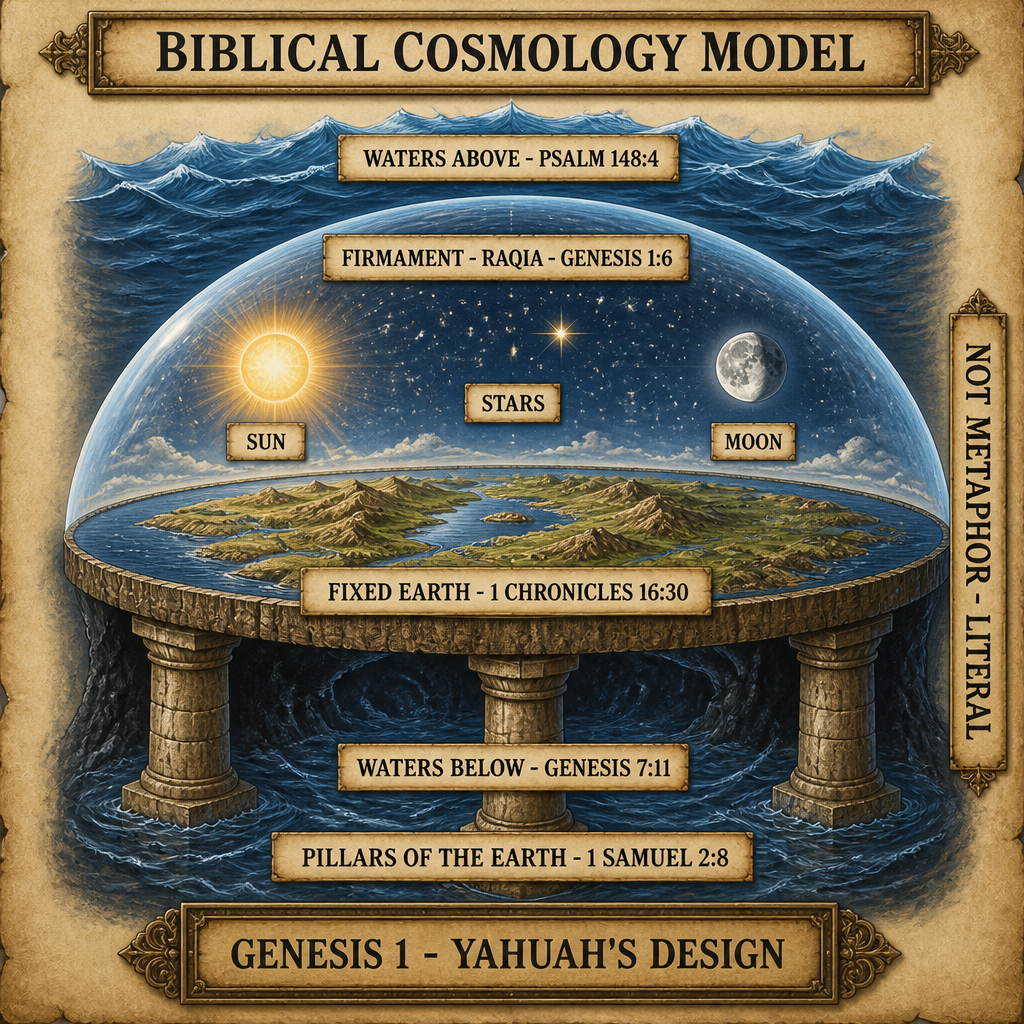
YOUTH Astro Biblical Cosmology
MC: 1-c, 2-b, 3-b
Fill-ins: moedim/seasons, moedim, 4, calendar
T/F: F, T, F
Lesson 2: Signs and Appointed Times
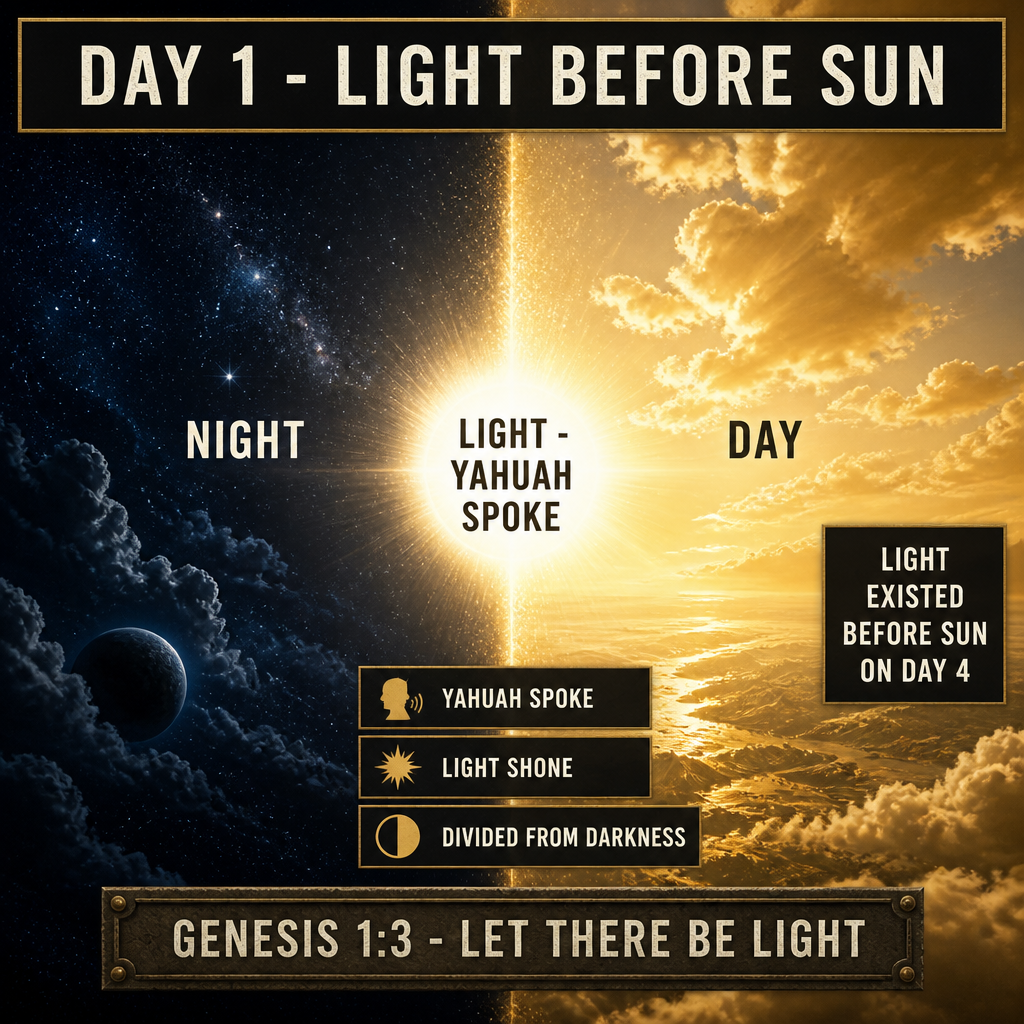
YOUTH Astro Day1 Light
MC: 1-b, 2-b, 3-b
Fill-ins: 23, seventh, new moon, appointments
T/F: F, T, T
Lesson 3: The Heavens Declare His Glory
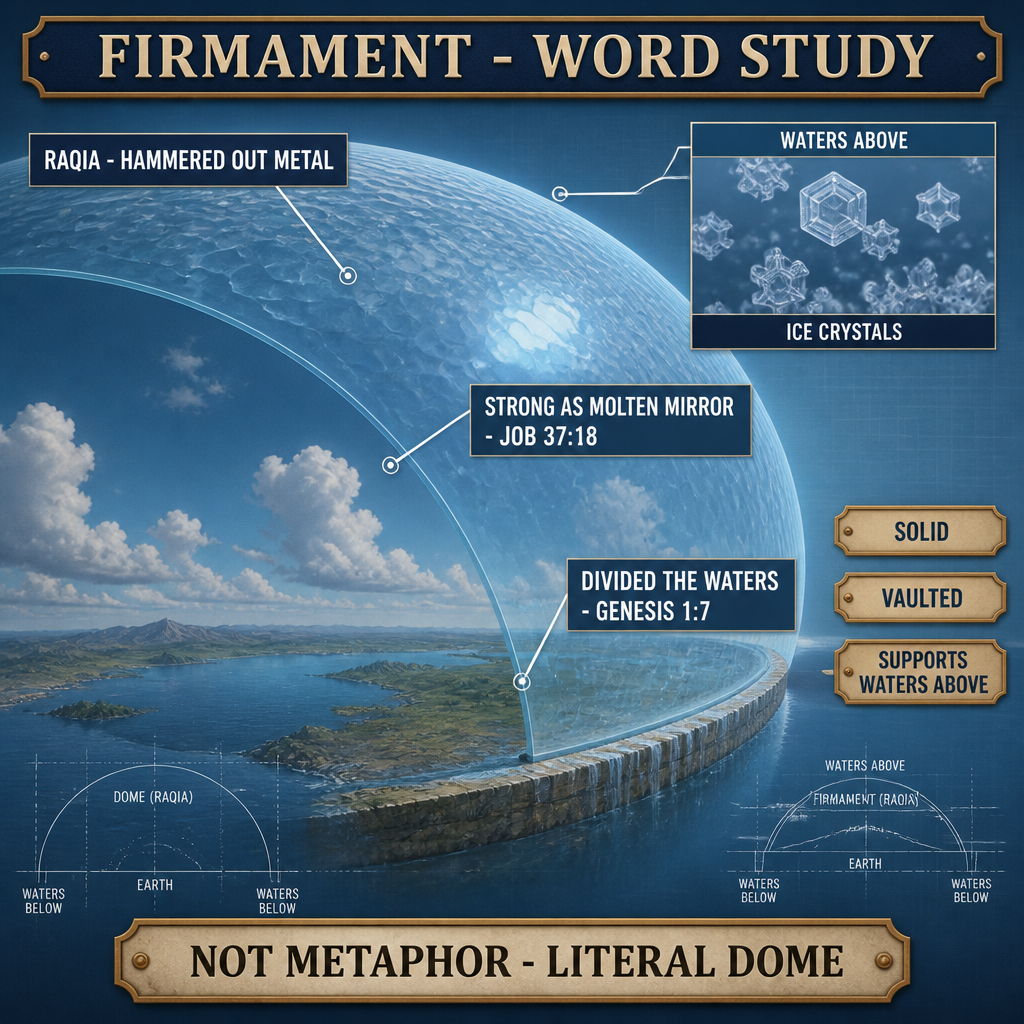
YOUTH Astro Firmament Detail
MC: 1-b, 2-b, 3-b
Fill-ins: glory, Torah, speech/words, Scripture
T/F: F, T, F
Lesson 4: The Moon and Biblical Calendar
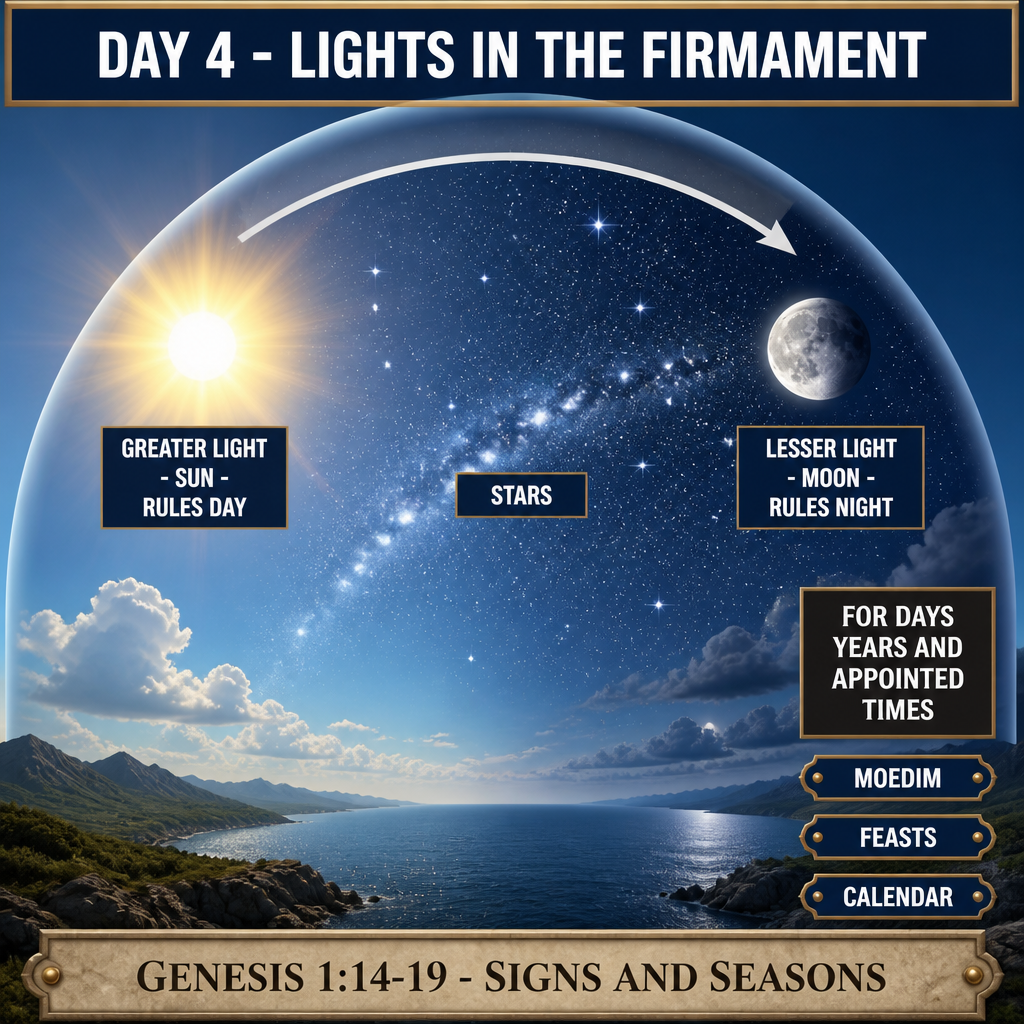
YOUTH Astro Day4 Lights Detail
MC: 1-b, 2-b, 3-c
Fill-ins: times, moon/crescent, 29.5, 14
T/F: F, T, T
Lesson 5: Stars Named in Scripture
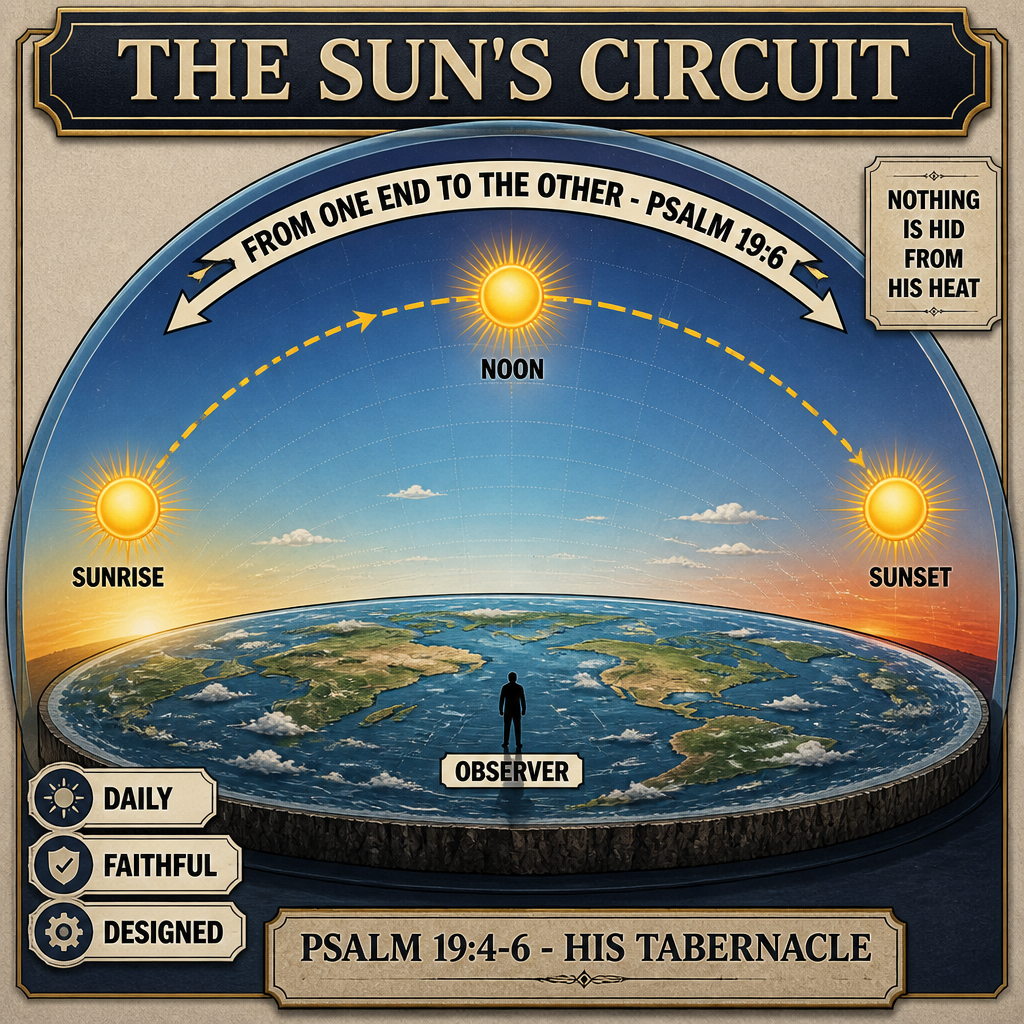
YOUTH Astro Sun Path
MC: 1-b, 2-b, 3-b
Fill-ins: Pleiades, names, belt, Yahuah
T/F: F, T, F
Lesson 6: Finding Your Way in the Night Sky
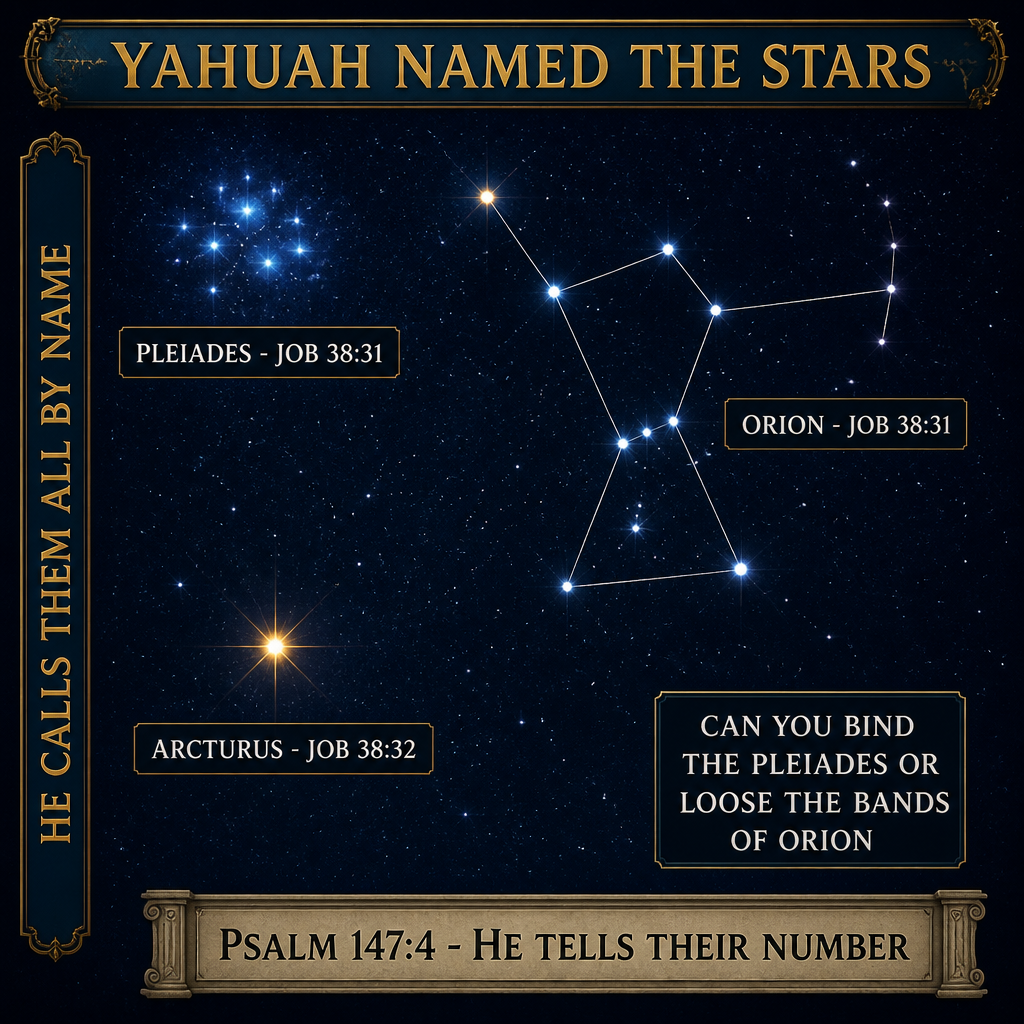
YOUTH Astro Stars Named
MC: 1-c, 2-b, 3-c
Fill-ins: Polaris, 30, W, latitude
T/F: F, T, F
Lesson 7: Seasons and Yahuah's Timing
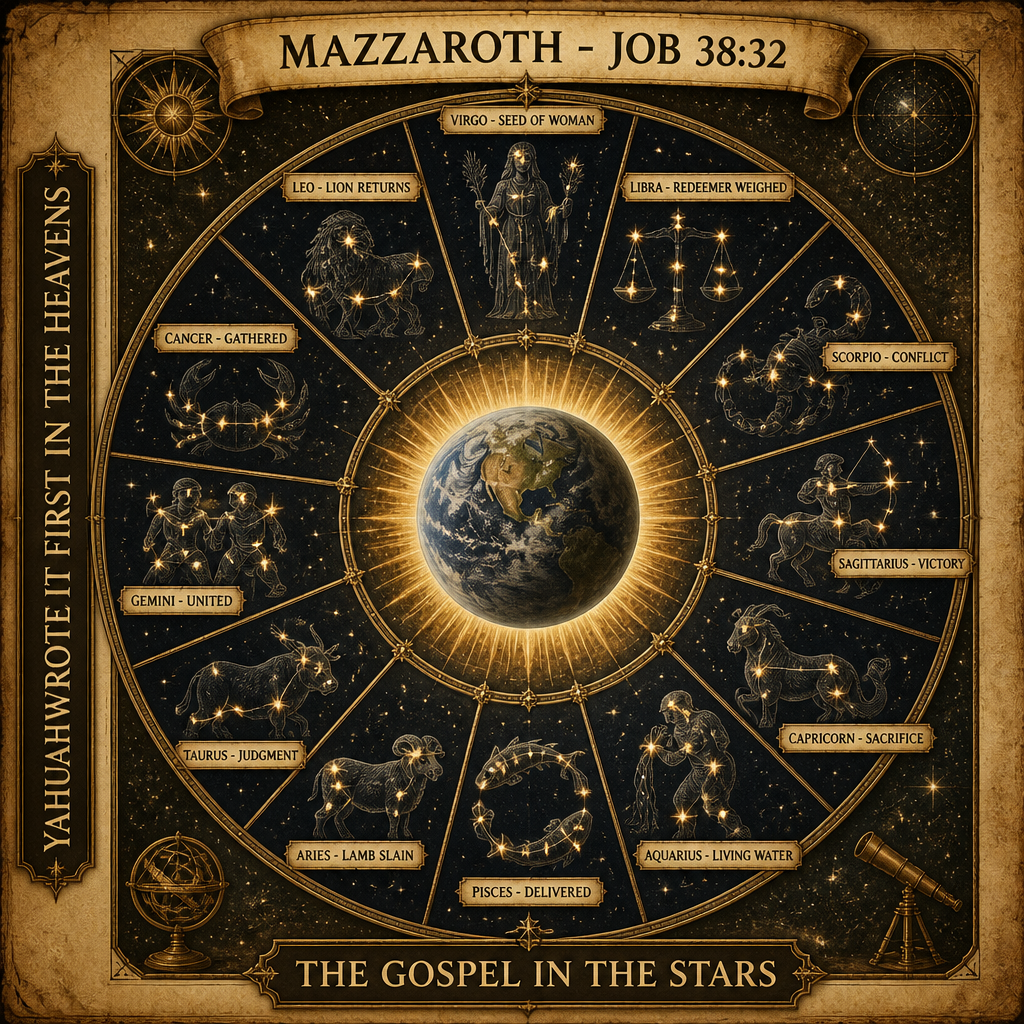
YOUTH Astro Mazzaroth
MC: 1-b, 2-c, 3-b
Fill-ins: cease, equal, harvests, spring
T/F: F, T, F
Lesson 8: Astronomy vs. Astrology
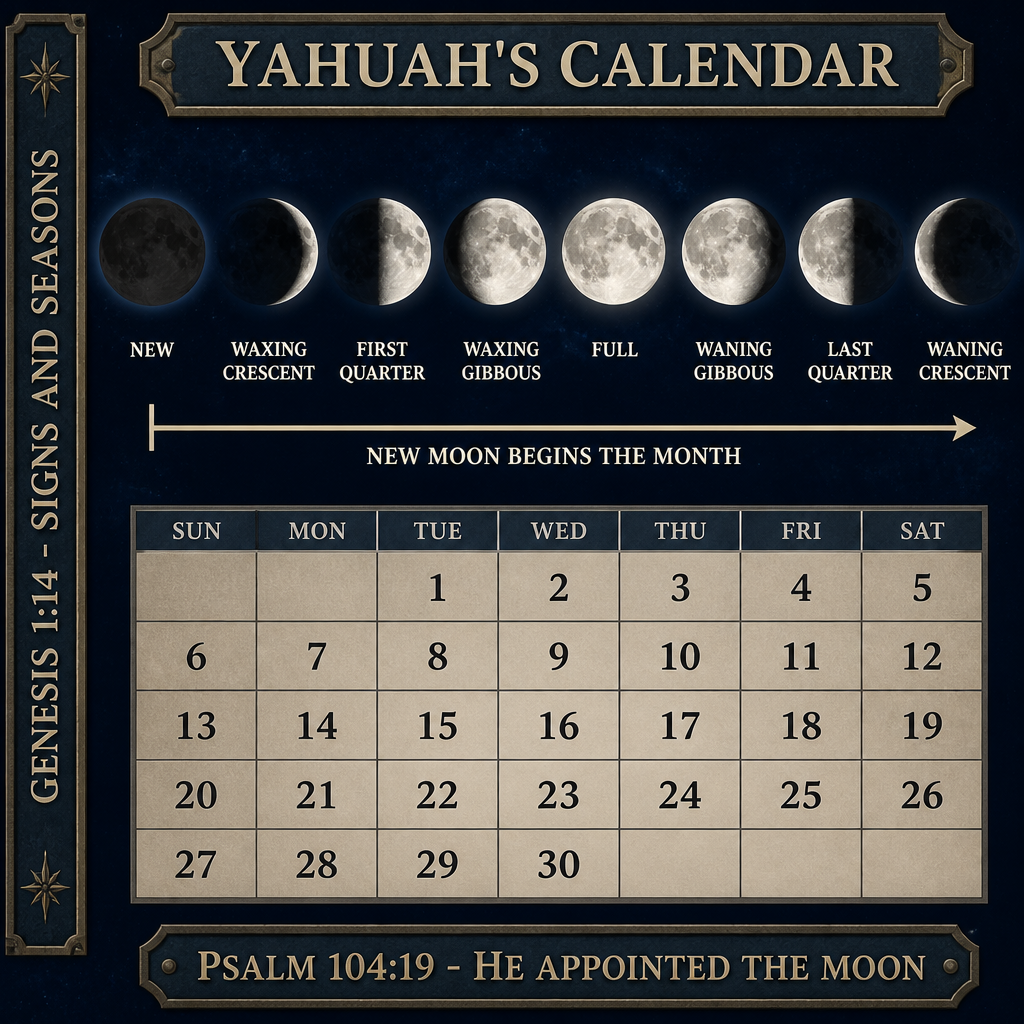
YOUTH Astro Moon Calendar
MC: 1-b, 2-b, 3-c
Fill-ins: order, fate/destiny, Creator, horoscopes
T/F: F, T, F
Spaced Review Tracker
Mark each box when you review the lesson on that day:
| Lesson |
Day 1 |
Day 3 |
Day 7 |
Day 21 |
| 1. Purpose of Lights | ☐ | ☐ | ☐ | ☐ |
| 2. Signs and Moedim | ☐ | ☐ | ☐ | ☐ |
| 3. Heavens Declare | ☐ | ☐ | ☐ | ☐ |
| 4. Moon and Calendar | ☐ | ☐ | ☐ | ☐ |
| 5. Stars in Scripture | ☐ | ☐ | ☐ | ☐ |
| 6. Finding Your Way | ☐ | ☐ | ☐ | ☐ |
| 7. Seasons and Timing | ☐ | ☐ | ☐ | ☐ |
| 8. Astronomy vs Astrology | ☐ | ☐ | ☐ | ☐ |