MEDICAL FREEDOM & INFORMED CONSENT
Medical informed consent
Youth Edition (Ages 12-17) • Truth Carriers 6Rs
Important
This workbook is for education only . It is not medical or legal advice. Always involve parents/guardians and qualified professionals for personal decisions.
Proverbs 18:13
What You'll Learn
What informed consent means
Questions to ask about any medical procedure
Basics of rights, transparency, and ethics
Biblical stewardship of health and conscience
How to Use (6Rs Method)
1. RECEIVE
2. REFLECT
3. RECALL
4. RECITE
5. REVIEW
6. RESPOND
Lesson 1: What Is Informed Consent?
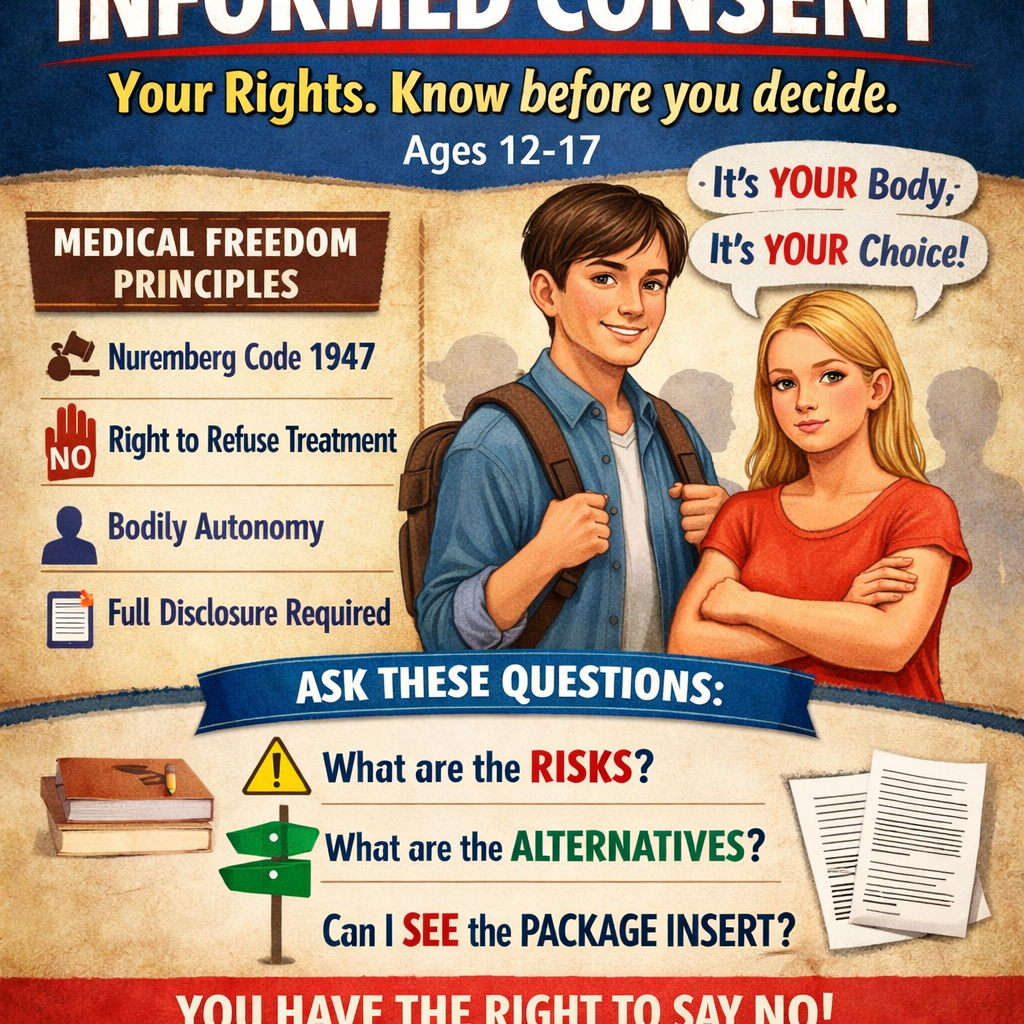
Informed consent means you know the benefits, risks, options, and the right to say yes or no —before any medical action.
Four Parts: 1) Information, 2) Understanding, 3) Voluntary choice, 4) Ability to withdraw.
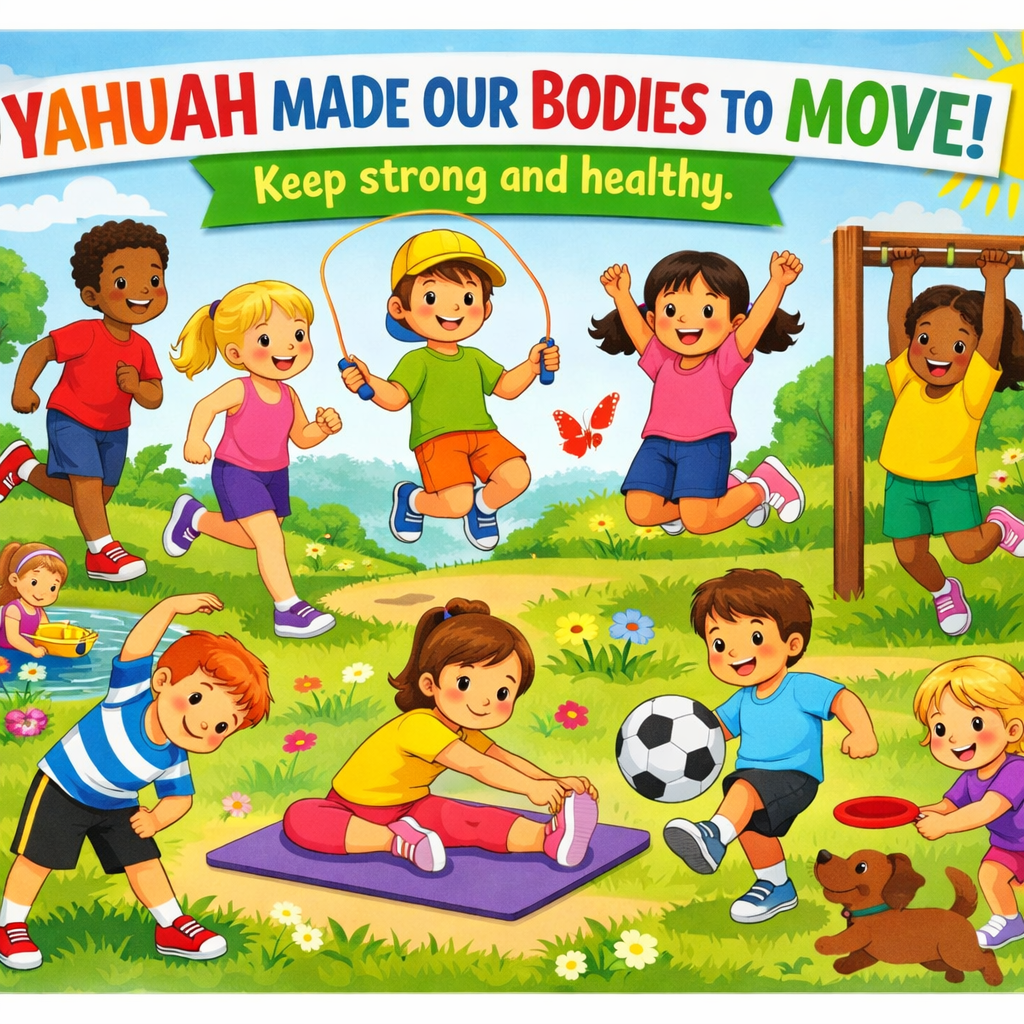
Exercise Bodies Move
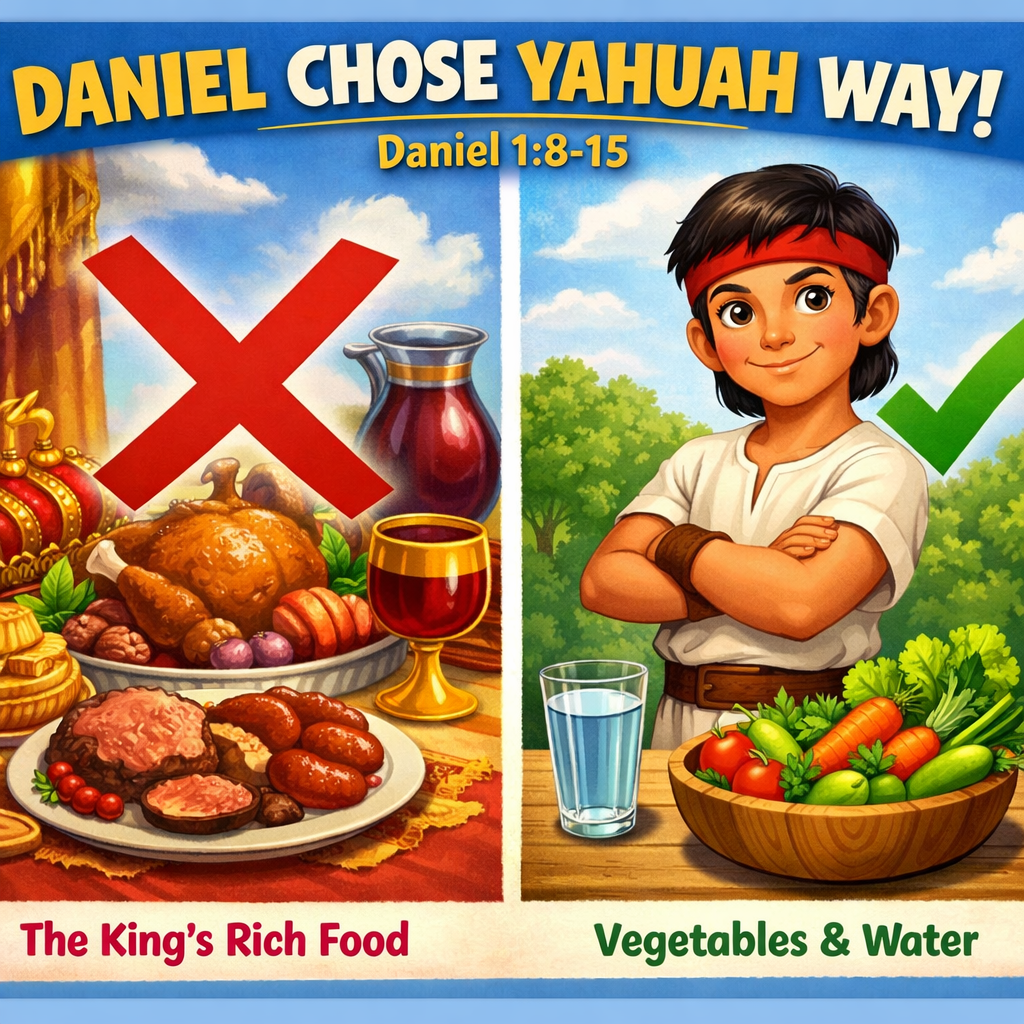
Daniel Healthy Food
Quick Questions to Ask
What is this for? What does success look like?
What are common and serious risks? How likely?
What are alternatives? What if we wait?
How will benefits and side effects be tracked?
Multiple Choice
1. Informed consent requires:
○ A) Only signing a form ○ B) Knowing risks/benefits/options ○ C) Agreeing no matter what
2. If you do not understand, you should:
○ A) Stay silent ○ B) Ask for clearer answers ○ C) Walk out
True / False
○ T ○ F — You can ask for time to think before deciding.
○ T ○ F — Consent is valid even if you feel coerced.
Scripture Memory: James 1:5
"If any of you lacks wisdom, let him ask of Elohim... and it will be given."
Recall
List the four parts of informed consent.
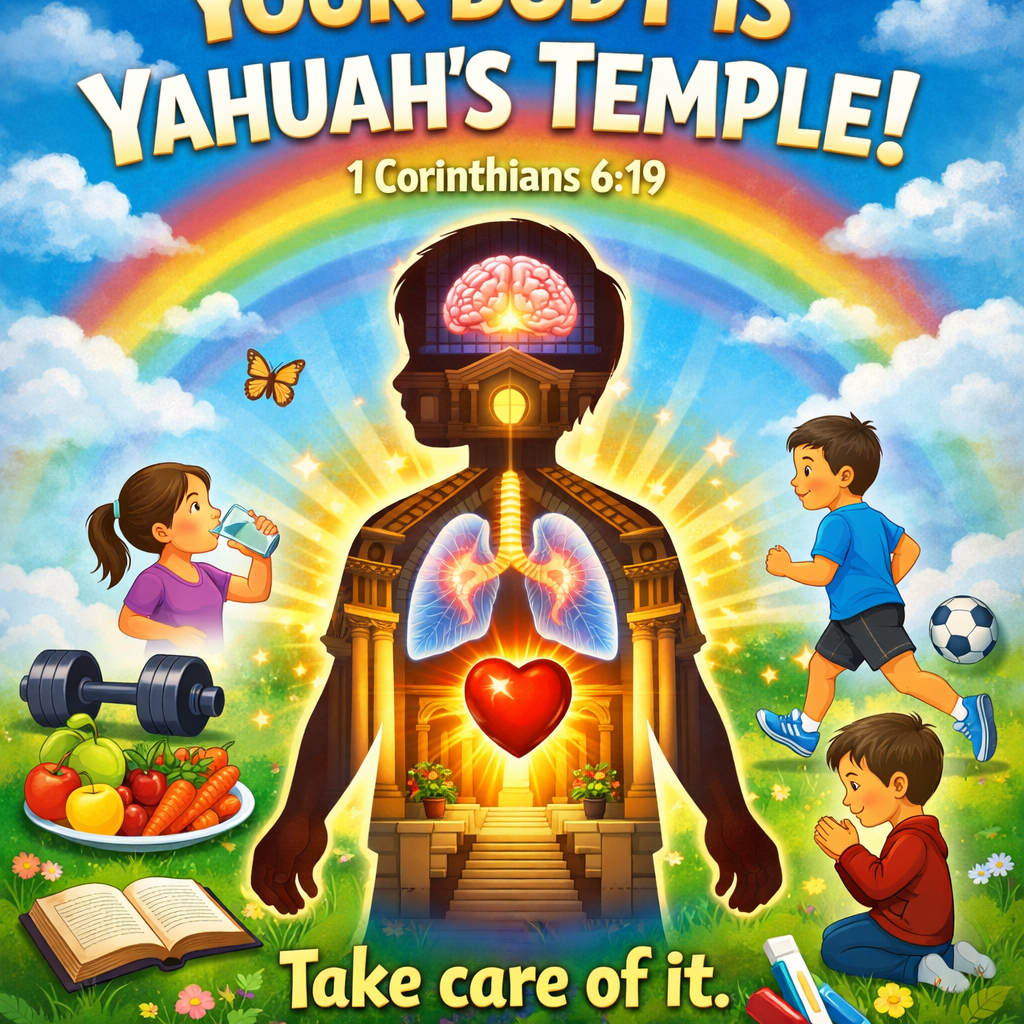
Body Temple
Apply
Lesson 2: Rights, Ethics, and History
Respecting people means no one is forced or tricked. History shows why these guardrails matter.
Ethical anchors (youth-friendly summary)
Voluntary: No coercion or punishment for saying no.Disclosure: Share known risks and uncertainties.Right to withdraw: You can stop at any time.Proportionality: Benefit should outweigh risk.
Why It Matters
Past abuses (e.g., experiments without consent) led to modern rules. Knowing history helps you value honesty and transparency.
Multiple Choice
1. A voluntary choice means:
○ A) Deciding under threat ○ B) Deciding without pressure ○ C) Deciding with no information
2. Right to withdraw means:
○ A) You must finish no matter what ○ B) You can stop if you choose ○ C) Only doctors decide
True / False
○ T ○ F — Ethical rules exist because of past harm.
○ T ○ F — Transparency reduces fear and builds trust.
Recall
Write two ethical guardrails and why they protect patients.
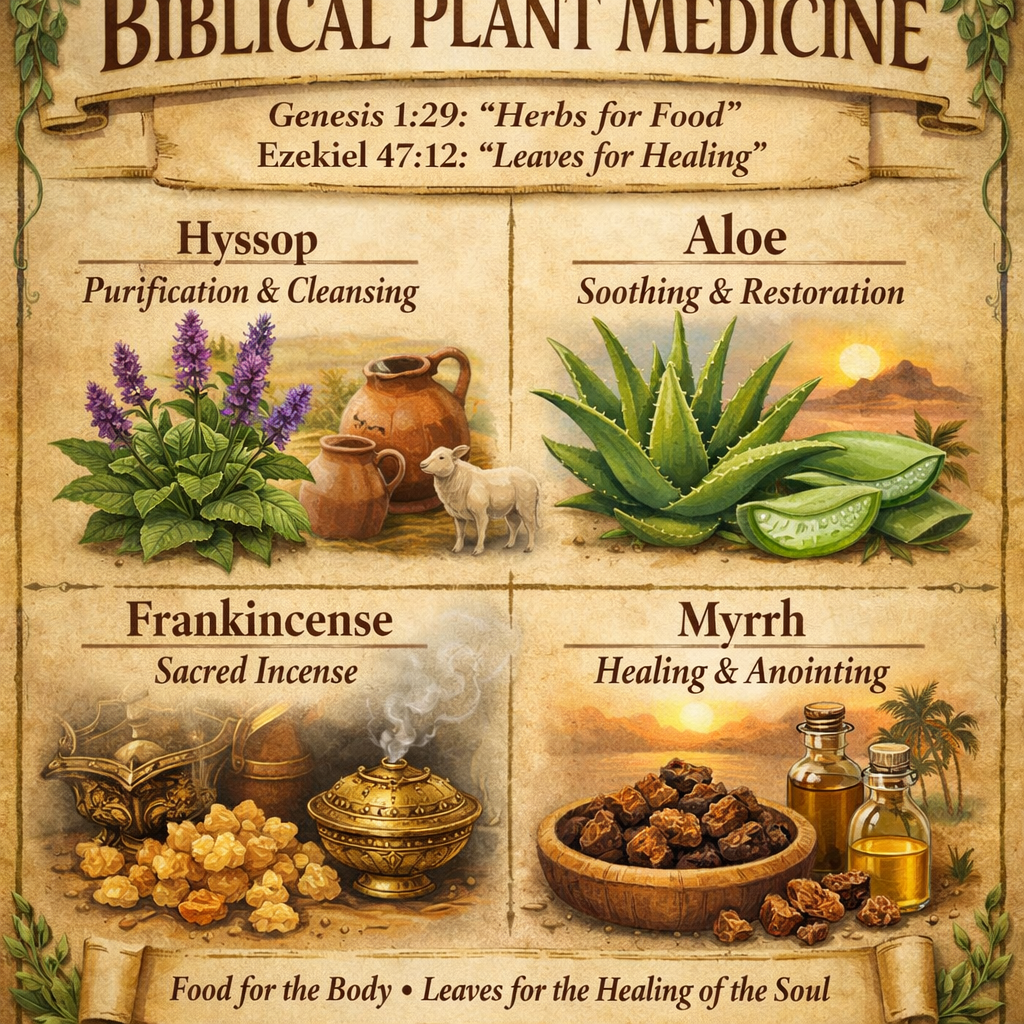
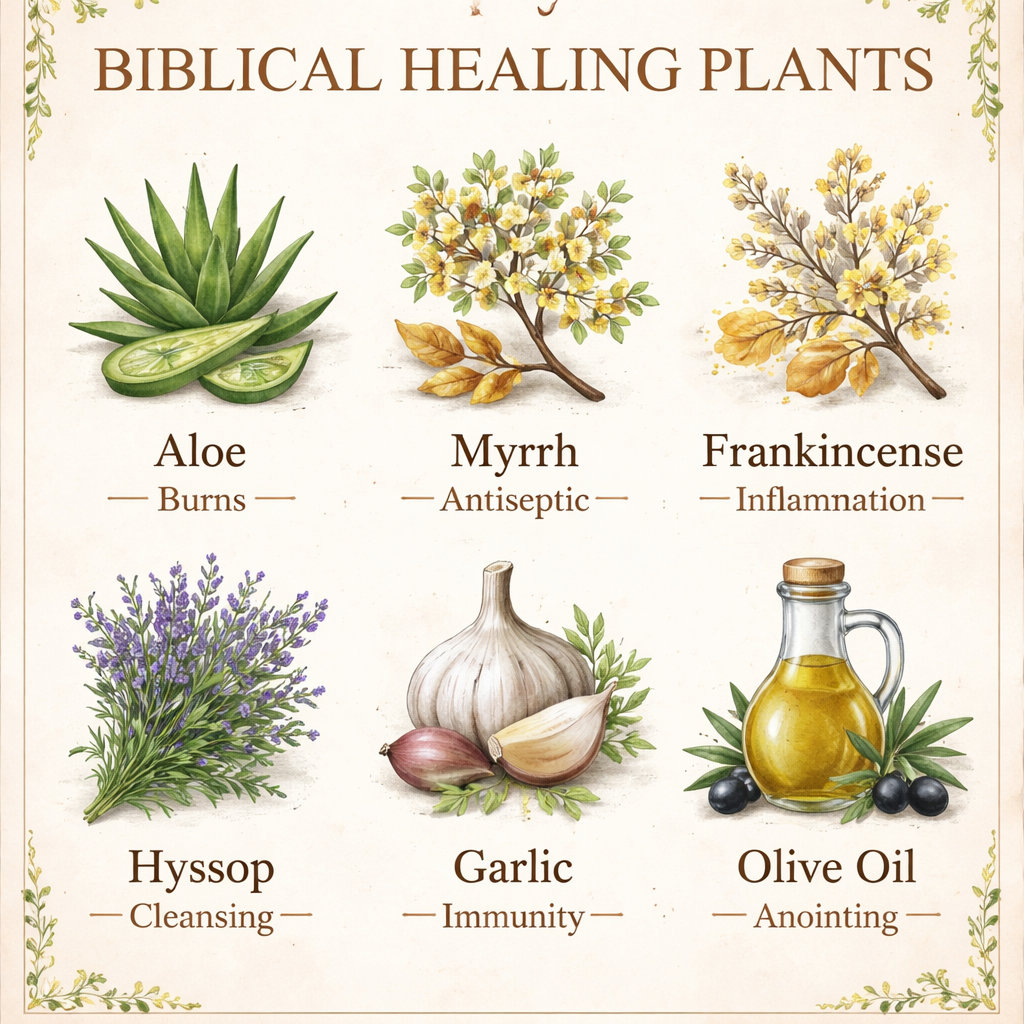
Plant Medicine Biblical
Apply
Lesson 3: Risks, Benefits, and Questions
Good decisions weigh both sides. Honest data helps families decide.
Balanced View: Benefit − Risk = Net value. Unknowns count as risk until answered.
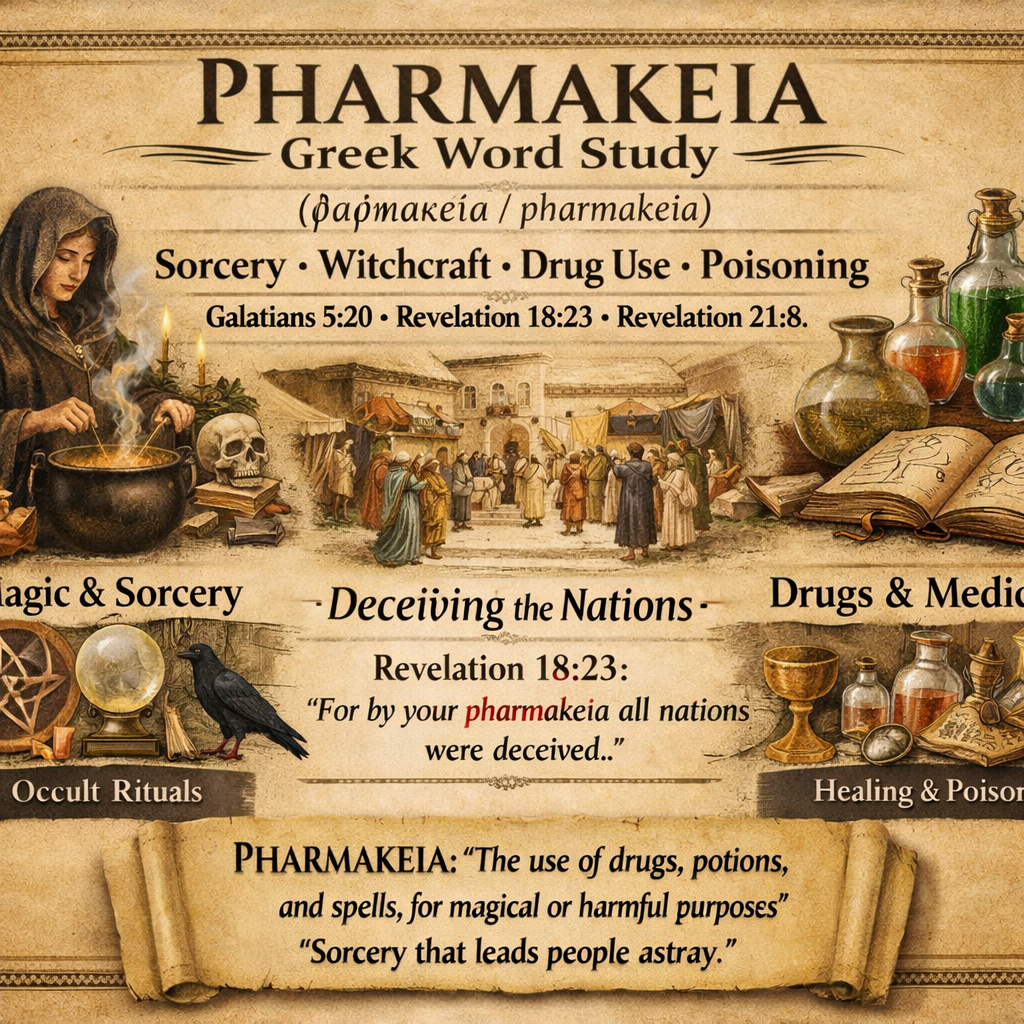
Pharmakeia Word Study
Checklist Questions
What is the absolute risk of the problem vs. risk of the treatment?
What side effects are common? Which are rare but serious?
How are events reported and followed up?
Are there non-drug or lower-risk options?
Multiple Choice
1. Absolute risk tells you:
○ A) How you feel ○ B) The actual chance something happens ○ C) Only percentages in ads
2. Unknowns should be treated as:
○ A) Guaranteed safe ○ B) Neutral ○ C) Risk until clarified
True / False
○ T ○ F — Asking for data sources is reasonable.
○ T ○ F — If a risk is rare, it can never be serious.
Recall
List two questions you would ask to understand risk vs. benefit.
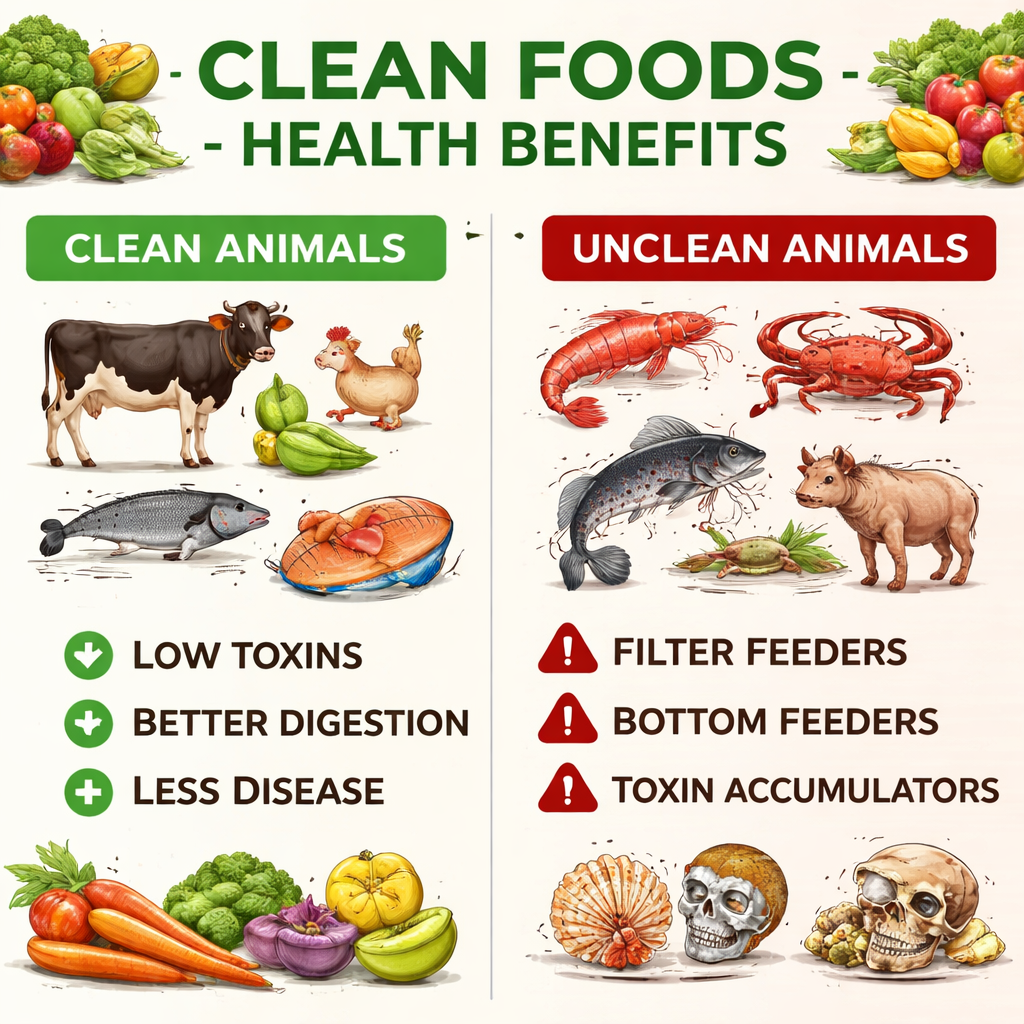
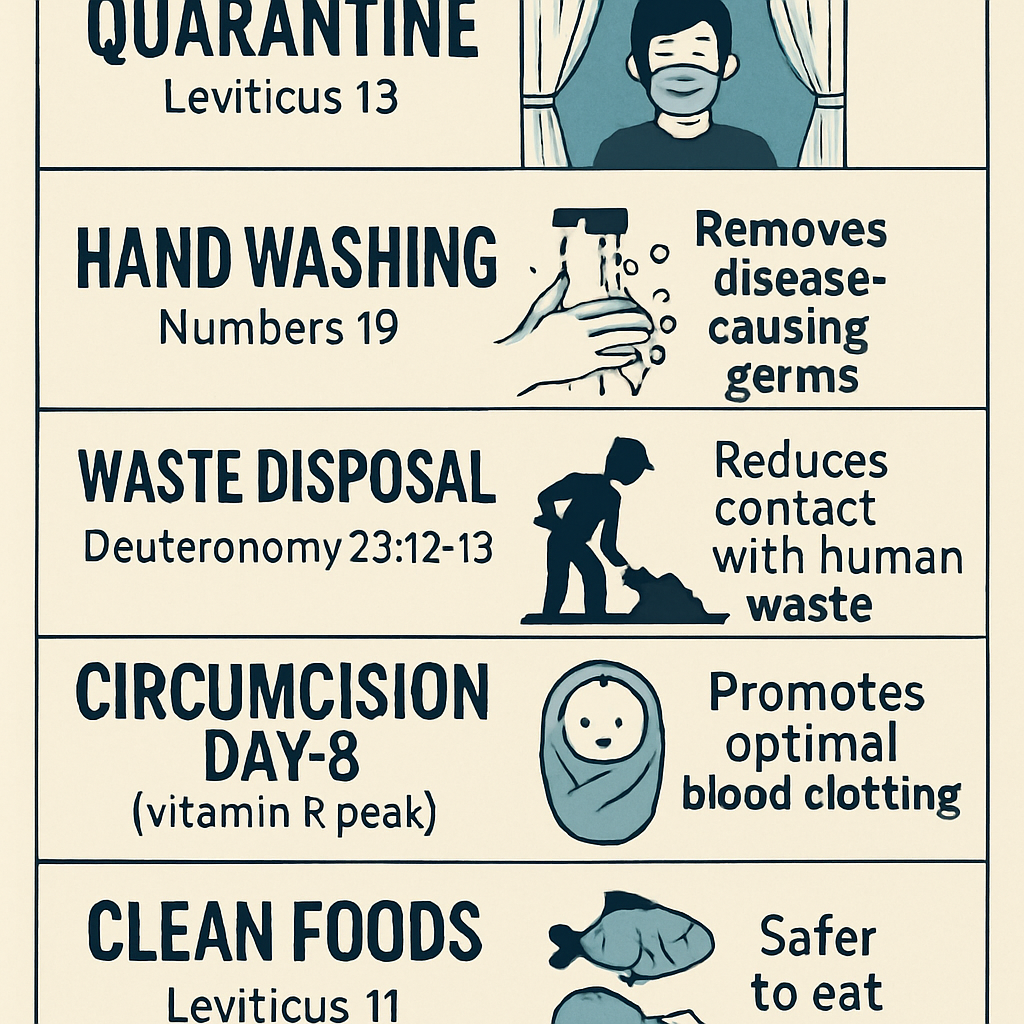
Clean Foods Health Science
Apply
Lesson 4: Advocating with Respect
Families can ask clear questions and still show kindness to clinicians.
Respectful Phrases
"Could you please explain that in simpler terms?"
"We'd like to read the ingredient list/packet insert together."
"What are our options if we need more time?"
"How do we document our questions and your answers?"
Multiple Choice
1. Good advocacy sounds:
○ A) Angry ○ B) Clear and respectful ○ C) Silent
2. Taking notes during visits is:
○ A) Only for doctors ○ B) Helpful for clarity ○ C) Not allowed
True / False
○ T ○ F — You can ask for printed information to read at home.
○ T ○ F — Respectful tone increases chances of good answers.
Recall
Write two phrases you can use to slow down a rushed conversation.
Biblical Health Laws
Apply
Lesson 5: Stewardship and Conscience
Biblical stewardship means caring for body, conscience, and truthfulness.
1 Corinthians 6:19-20
Principles
Care: Sleep, nutrition, movement, stress management.Conscience: Decisions should align with faith and family convictions.Truth: Honest data and honest reporting honor Yahuah.
Multiple Choice
1. Stewardship includes:
○ A) Ignoring your body ○ B) Caring for health choices ○ C) Never asking questions
2. Conscience means:
○ A) Copy others ○ B) Follow personal convictions before Yahuah ○ C) Avoid facts
True / False
○ T ○ F — Conscience can be informed and strengthened by Scripture.
○ T ○ F — Stewardship ignores risk/benefit thinking.
Recall
List two stewardship habits that support wise medical choices.
Apply
Lesson 6: Communicating in Community
Medical freedom is practiced with family, doctors, and community—with kindness.
Good Communication
Listen first (Proverbs 18:13).
Use “I” statements: “I’m trying to understand...”
Seek common goals: safety, health, honesty.
Avoid shaming; focus on facts and respect.
Multiple Choice
1. Best way to start a tough talk:
○ A) Accuse ○ B) Ask to understand ○ C) Refuse to listen
2. Common goal in health talks:
○ A) Winning an argument ○ B) Safety and trust ○ C) Showing off facts
True / False
○ T ○ F — Respect does not mean agreement.
○ T ○ F — Facts + kindness usually work better than pressure.
Recall
Write two phrases that keep conversations calm.
Apply
SPACED REVIEW
Check when you review each lesson.
Answer Key (Quick Check)
Lesson 1
Consent parts: information, understanding, voluntary choice, right to withdraw. MC: 1-B, 2-B. TF: T, F.
Lesson 2
MC: 1-B, 2-B. TF: T, T.
Lesson 3
MC: 1-B, 2-C. TF: T, F.
Lesson 4
MC: 1-B, 2-B. TF: T, T.
Lesson 5
MC: 1-B, 2-B. TF: T, F.
Lesson 6
MC: 1-B, 2-B. TF: T, T.
Print Workbook
Clear All
Save Progress
TRUTH CARRIERS EDUCATION SYSTEM
“In all your getting, get understanding.” — Proverbs 4:7